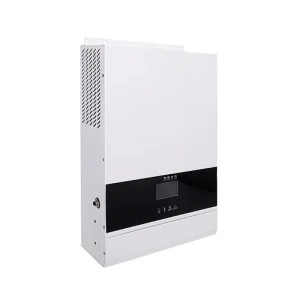
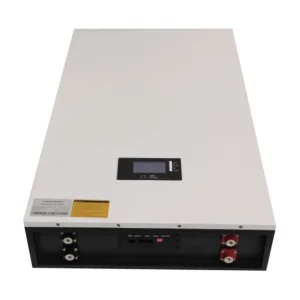
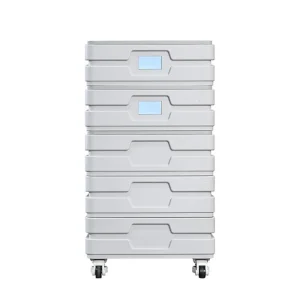
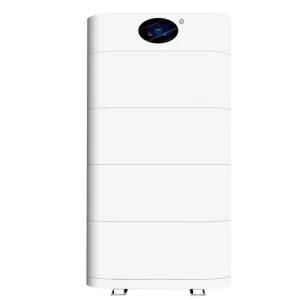
Explore our premium utility and residential energy storage systems designed for safety, peak-shaving efficiency, and long lifecycle stability.
An Industry Whitepaper on High-Voltage Battery Energy Storage System (BESS) Technology, Integration Pathways, and Global Supply Chain Optimizations.
As the global energy transition accelerates, integrating intermittent renewable resources like solar photovoltaic (PV) and wind power into municipal and national grids has emerged as a paramount challenge. Traditional transmission infrastructures, designed for predictable fossil-fuel baseload generation, are encountering severe capacity issues, grid congestion, and frequency fluctuations. Utility-scale battery energy storage systems (BESS) serve as the vital linchpin for modern energy infrastructure. They provide instantaneous grid stabilization, frequency response, capacity buffering, and peak load shifting. The goal of this whitepaper is to present a technical, manufacturing, and operational analysis of high-voltage battery technologies, detailing why leading energy operators rely on China-based vertical integration to balance performance, cost efficiency, and supply chain security.
"Utility-scale battery deployment is no longer an optional add-on for clean energy targets; it is the fundamental core architecture required to guarantee grid resiliency, prevent load shedding, and enable true carbon neutrality on a macro-economic scale."
Elemro Energy has positioned itself as an industry leader, anticipating these demands through advanced research and manufacturing. Established in 2019 and headquartered in Xiamen, China, Elemro Energy unifies R&D, precision manufacturing, and international distribution to supply customers across Europe, Southeast Asia, Africa, the Middle East, and the Americas. Representing a critical link in the energy value chain, Elemro's annualized revenue growth reflects the global demand for reliable lithium iron phosphate (LFP) technologies and grid-forming inverter systems, with expectations to exceed $50 million USD.
A statistical outlook of global deployment, system efficiencies, and technological integration benchmarks.
The global demand for energy storage is segmented into front-of-the-meter (FTM) utility systems and behind-the-meter (BTM) commercial & industrial (C&I) setups. FTM installations are massive arrays (often 100MW to several GGW) that connect directly to transmission grids. These demand high-voltage architectures (up to 1500V DC) to minimize I²R transmission losses and reduce overall BOS (Balance of System) cabling costs. In contrast, C&I battery units serve factories, data centers, and distribution centers by optimizing energy utilization, offering peak-shaving functions, and providing localized backup power when regional grids experience outages.
Pioneering integrated systems to build clean, smart, and localized microgrids.

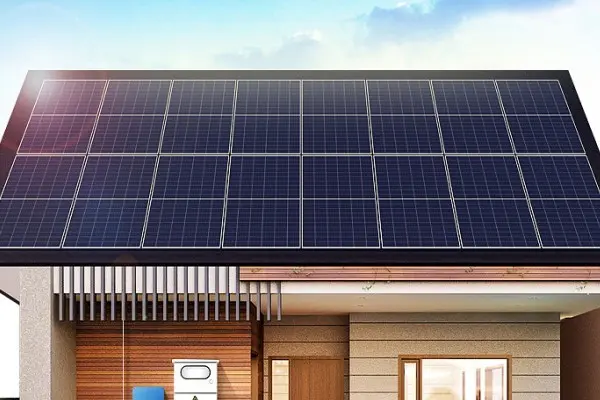
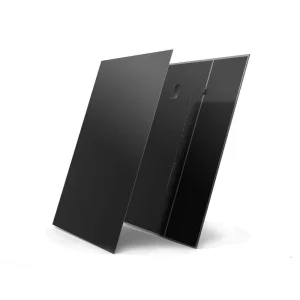
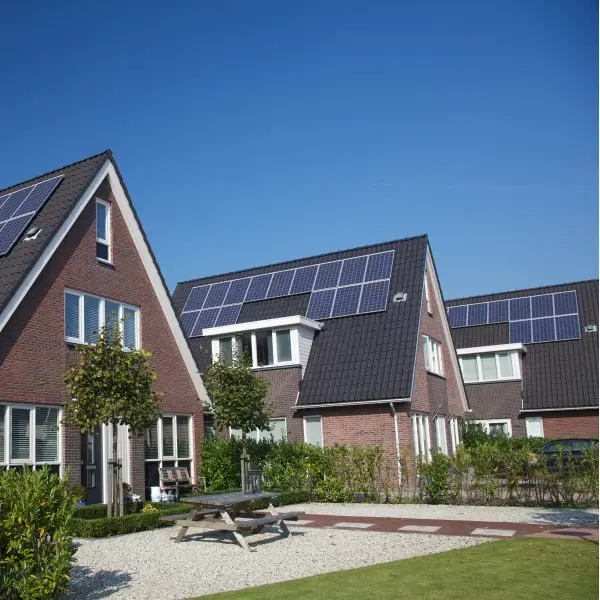
High-efficiency building-integrated photovoltaics designed to convert facades and roofs into active power generators, combining structural protection with green electricity production.
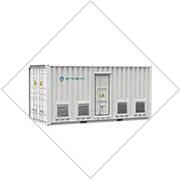
Thermally insulated 20ft/40ft modular enclosures featuring liquid cooling systems, automatic fire suppression, smart BMS, and high-density LFP arrays for utility grid applications.
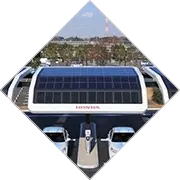
Smart steel structures integrating overhead solar arrays with integrated EV fast-charging stations and local battery storage buffers, ideal for commercial parking terminals.
Understanding the chemistry and mechanical engineering behind utility BESS is critical for long-term project viability. The industry relies heavily on Lithium Iron Phosphate (LFP, LiFePO4) chemistry. Compared to Nickel Manganese Cobalt (NMC), LFP exhibits superior thermal runaway thresholds (typically ~270°C vs NMC's ~210°C), eliminates the dependence on cobalt sourcing, and offers a longer cycle life. As we look to the future, next-generation solid-state batteries and sodium-ion configurations are under development to address resource scarcity and extreme low-temperature operations.
A critical technical debate centers on the BESS thermal management system: Liquid Cooling vs. Air Cooling. For utility-scale configurations with high C-rates (charge/discharge speeds), liquid cooling has become the industry standard. Liquid cooling plates contact the cell faces directly, keeping cell-to-cell temperature variations under 2.5°C. Minimizing this temperature delta is critical; uneven cell degradation inside a series pack limits the capacity of the entire string. Liquid cooling also reduces auxiliary power consumption by up to 30% and saves more than 40% in physical footprint compared to conventional air-cooled containers.
Modern utility BESS integrates multi-tier Battery Management Systems (BMS). The Master-Slave BMS hierarchy continuously monitors parameters including cell voltage, temperature, and internal resistance, communicating in real-time via CAN/Modbus protocols to adjust system limits and optimize performance.
Utility-scale batteries serve multiple operational profiles, depending on the grid characteristics of the region where they are deployed:
The global energy storage industry relies on efficient, scaled manufacturing to remain cost-competitive. China's battery supply chain offers significant advantages, housing over 75% of the world's lithium-ion cell production capacity. This ecosystem brings together raw chemical refining, cathode precursor preparation, automated cell assembly, and system integration within close geographic proximity.
For Elemro Energy, operating from our main hub in Xiamen allows us to source high-grade materials and utilize automated production lines. This proximity minimizes logistical bottlenecks, lowers component transit costs, and supports strict quality control protocols. The resulting vertical integration helps lower the Levelized Cost of Storage (LCOS), enabling us to provide utility-scale projects with reliable performance at a competitive capital expenditure (CAPEX).
Explore Full Product Catalog
Safety is the primary consideration for grid-tied BESS project developers, financial backers, and insurance underwriters. Thermal runaway—a chain reaction where an internal short circuit or mechanical damage triggers self-sustaining heat generation—must be prevented at the design level. Elemro Energy structures its utility containers around multiple layers of protection:
First, at the cell level, we utilize ceramic-coated separators and fire-retardant electrolyte additives. Second, at the pack level, physical barriers isolate individual cells to prevent thermal propagation. Third, at the container level, we integrate aerosol and clean-agent fire suppression systems (such as Novec 1230 or FM-200) alongside combustible gas detection sensors (detecting hydrogen and carbon monoxide before smoke appears).
To ensure international grid compliance and safety verification, all our systems undergo rigorous testing to meet global standards:
Connect with our technical engineers to design your utility grid system, commercial solar-plus-storage setup, or high-voltage battery project. Receive a detailed quotation and engineering layout within 24 hours.
Get professional, technical insights into utility-scale BESS planning, battery chemistries, and deployment strategies.
Stay updated with our technical publications, event invitations, and clean energy insights.
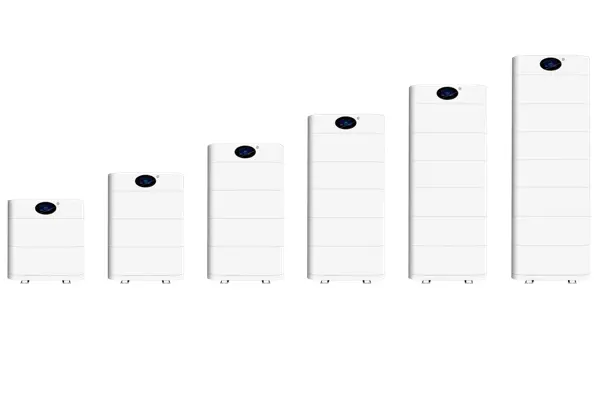
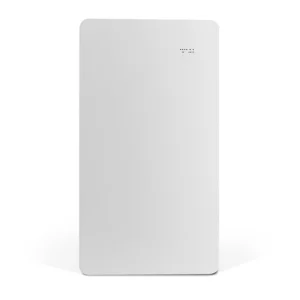
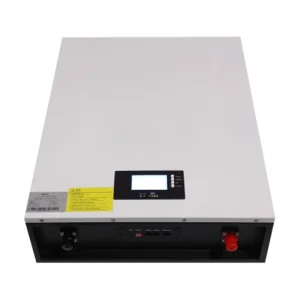
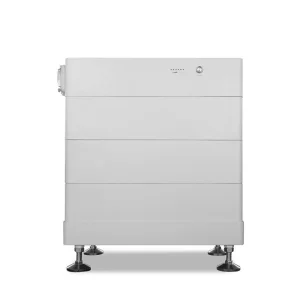
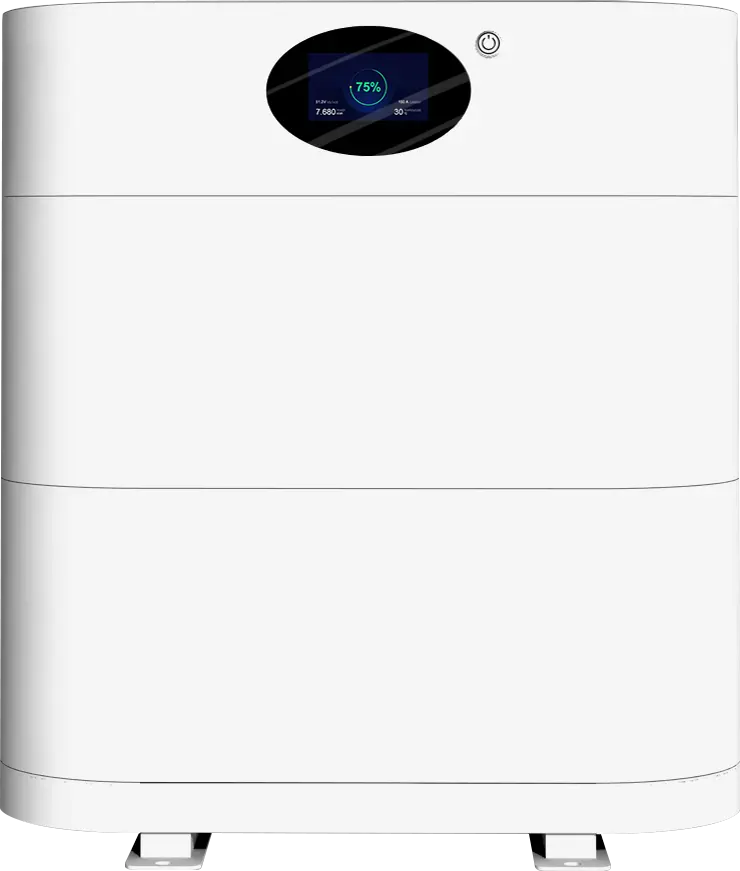
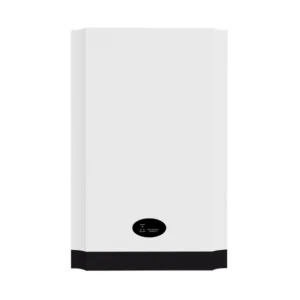
Discover our high-voltage modular systems, wall-mounted batteries, and specialized commercial power configurations.





 Elemro Energy