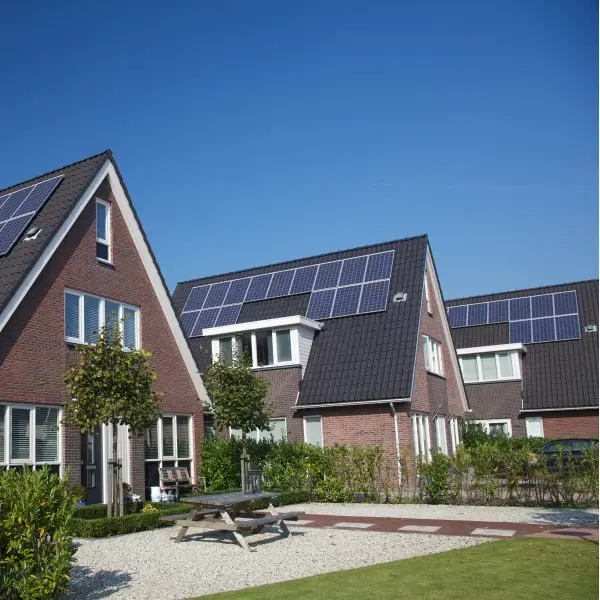
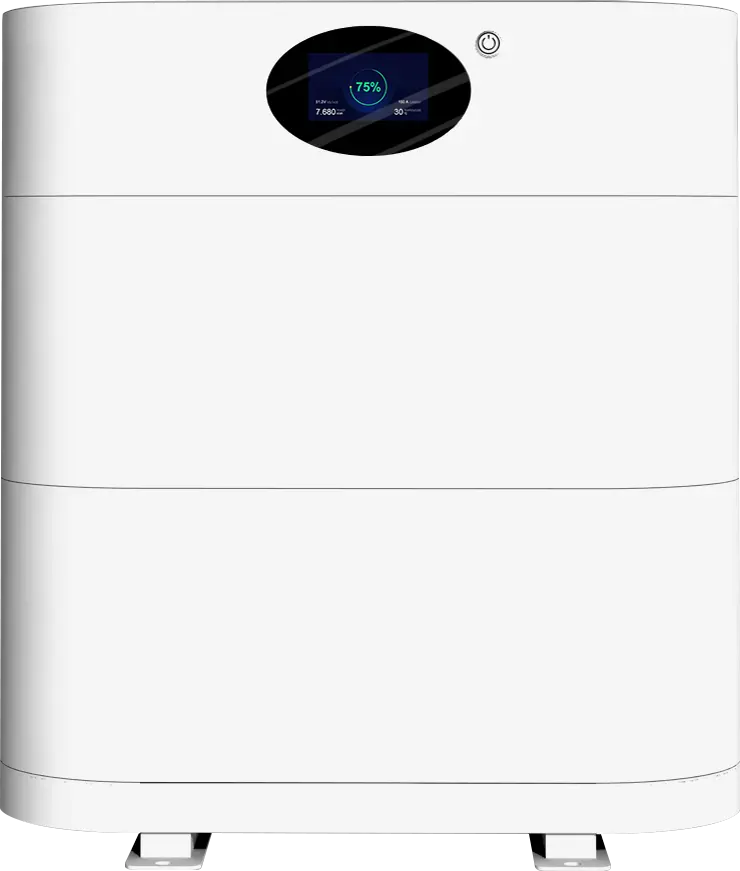
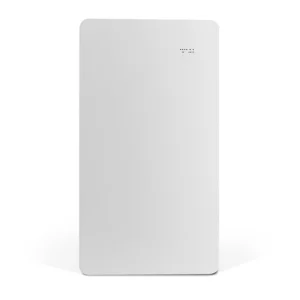
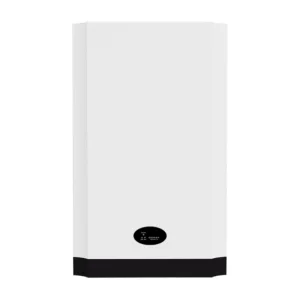
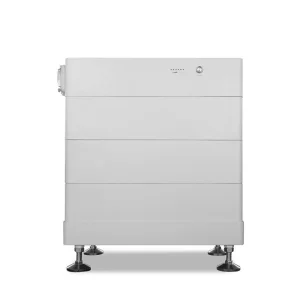
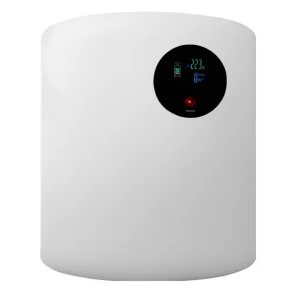
Explore our highly integrated solar and battery backup modules directly sourced from our certified smart factories.
In the current macroeconomic framework, transitioning to photovoltaic systems combined with energy storage is no longer merely a corporate sustainability goal; it is a vital strategy for operational continuity and energy cost mitigation. Global energy supply volatility, rising peak-tariff policies, and grid instability are driving commercial entities, engineering companies, and residential project planners to seek highly efficient, direct manufacturer connections for battery backup configurations.
Evaluating the true cost of solar systems with battery backups requires an understanding of both upfront Capital Expenditures (CAPEX) and long-term Levelized Cost of Storage (LCOS). This document explores the cost structures, supply chain requirements, manufacturing dynamics, and tech-driven standards of leading energy storage suppliers like ELEMRO Energy.
An in-depth analysis of CAPEX, battery chemistry selection, and system topology variables affecting global procurement budgets.
When engineering firms (EPCs) and global distributors analyze battery storage solutions, the overall system cost is determined by several core physical and electrical factors. These factors can be categorized into four primary vectors:
| System Type | Capacity Range | Target Market Segment | Estimated Cost Per Wh (Ex-factory) | Cycle Life Expectancy |
|---|---|---|---|---|
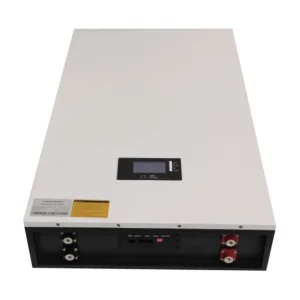
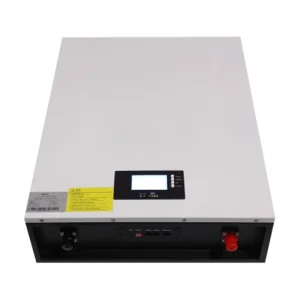
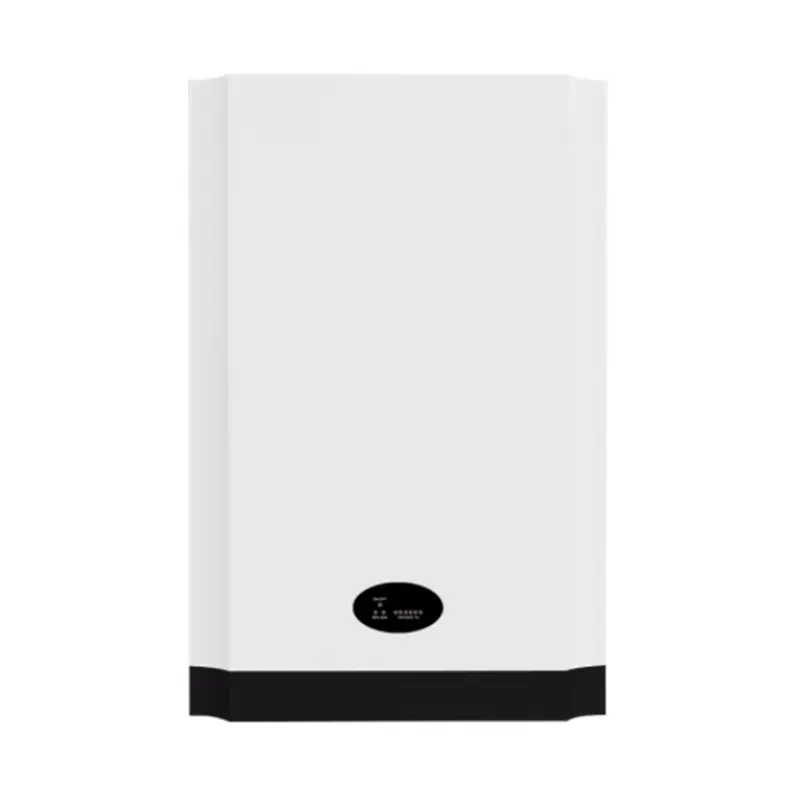
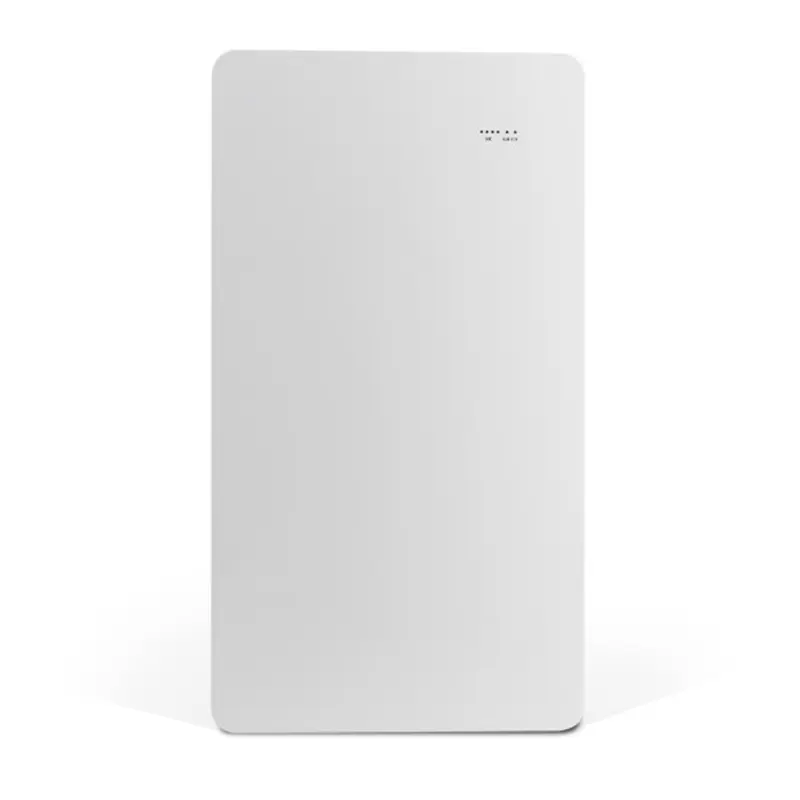
| Low-Voltage Wall-Mounted (48V) | 5kWh - 20kWh | Residential Backup & Small Offices | $0.12 - $0.18 | > 6,000 cycles |
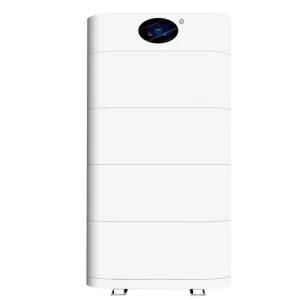
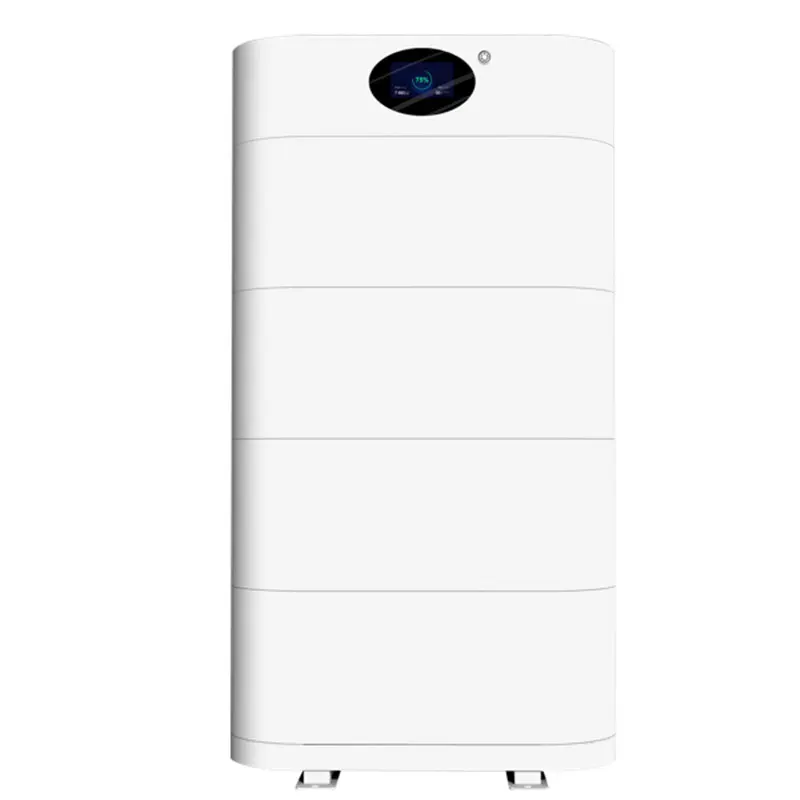
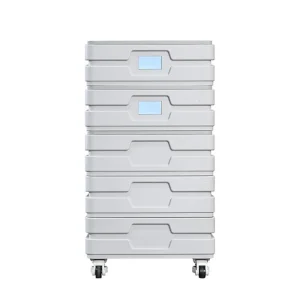
| High-Voltage Stackable Designs | 10.2kWh - 30kWh | Premium Residential & Light Commercial | $0.15 - $0.22 | > 6,000 cycles |
| C&I Energy Storage Containers | 100kWh - 2MWh+ | Factories, Datacenters, Micro-grids | $0.09 - $0.14 | > 8,000 cycles |
By bypassing multiple layers of regional agents and sourcing directly from manufacturing bases in China, procurement teams can reduce standard distributor markups by 20% to 35%. Direct sourcing also ensures access to engineers for customized software integration (such as Modbus/CAN communication protocols with localized inverter brands).
Headquartered in Xiamen, China, ELEMRO is a specialized clean tech partner providing integrated electrical and battery storage solutions.
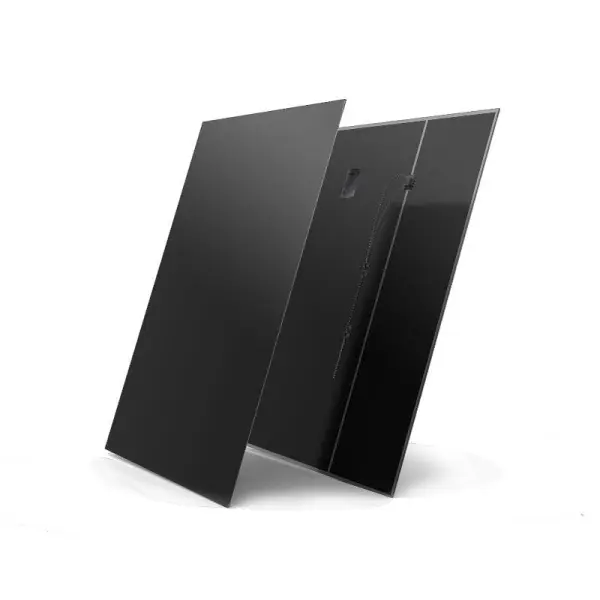
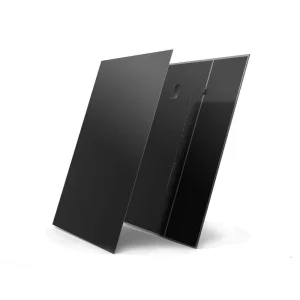
Cutting-edge Cadmium Tellurium (CdTe) thin film solar cells optimized for BIPV projects, architectural glass integrations, and low-light operations.

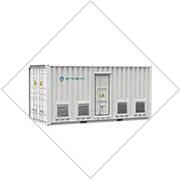
Megawatt-level containerized ESS solutions designed with active liquid cooling and fire suppression systems for utility grid connection and demand-charge peak shaving.
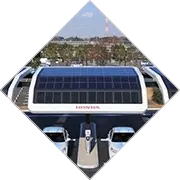
Fully engineered structural carports that maximize solar capture over vehicle fleets, integrated with charging infrastructure and modular battery units.
Established in 2019, ELEMRO Energy has positioned itself as an integrated system manufacturer and solutions provider. Combining internal R&D with manufacturing infrastructure in China, our team delivers products to over 250 global clients spanning Europe, Southeast Asia, Africa, the Middle East, and the Americas.
ELEMRO's operations are characterized by a focus on quality control and manufacturing scale. This approach supports rapid growth and projects an annual turnover exceeding 50 million USD. Our technical departments specialize in translating complex electrical requirements into reliable, certifiable system designs.
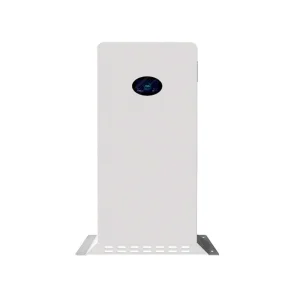
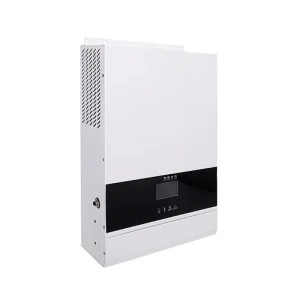
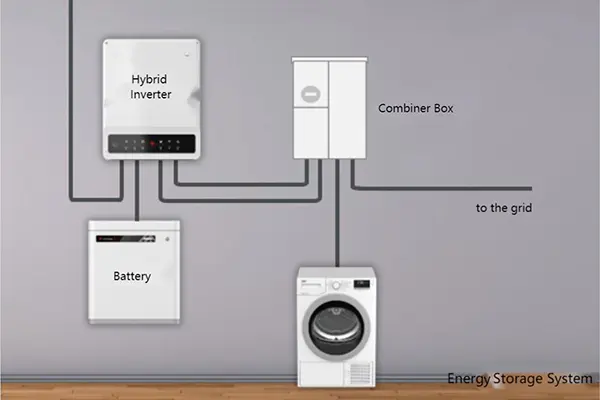
High-reliability energy storage architectures designed for integration with global hybrid inverter systems.
Analyzing key battery architectures to help project designers select appropriate system typologies.
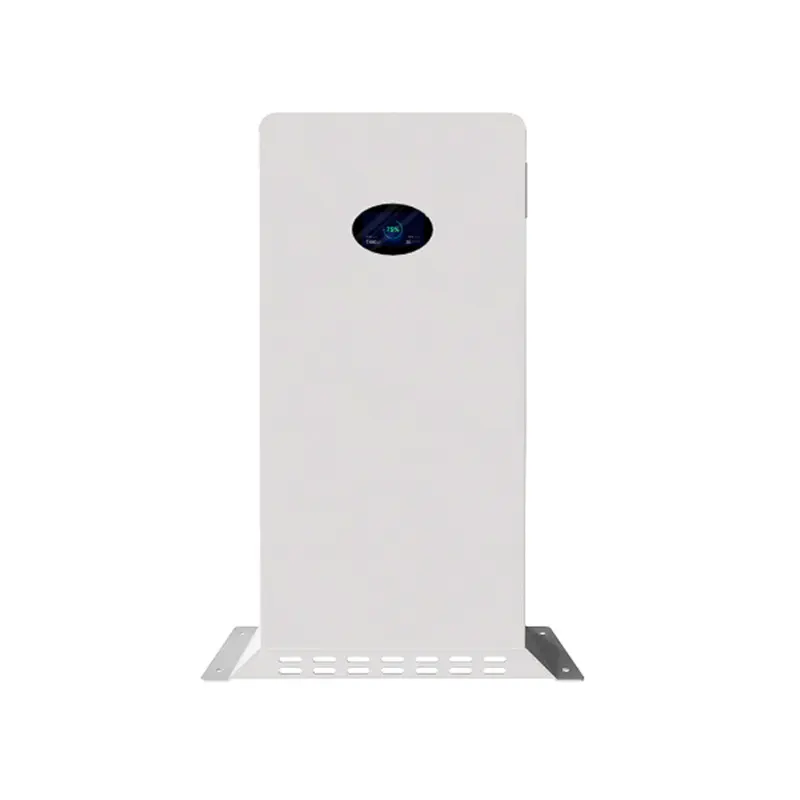
In high-capacity residential installations (10kWh to 30kWh) and commercial operations, High-Voltage Stackable systems (spanning 150V to 400V DC or higher) are increasingly replacing traditional low-voltage configurations. Using series-connected cell strings, HV architectures lower the amperage requirements on the DC transmission path, minimizing copper line losses and optimizing round-trip efficiency (RTE) by 3-5%.
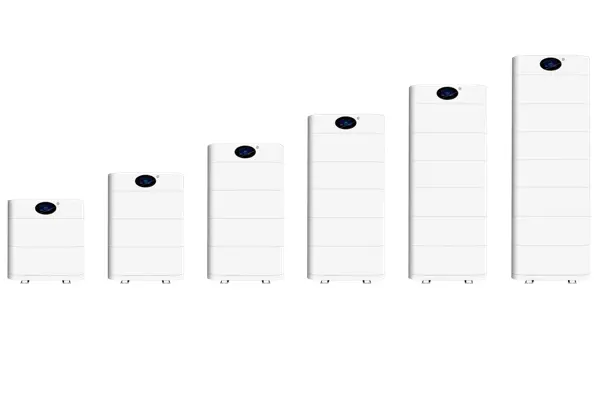
These stackable configurations offer significant flexibility: individual modules can be added to scale power output. ELEMRO's high-voltage systems feature integrated Balancing BMS at the stack level, minimizing module-to-module voltage variance and extending system operational life.
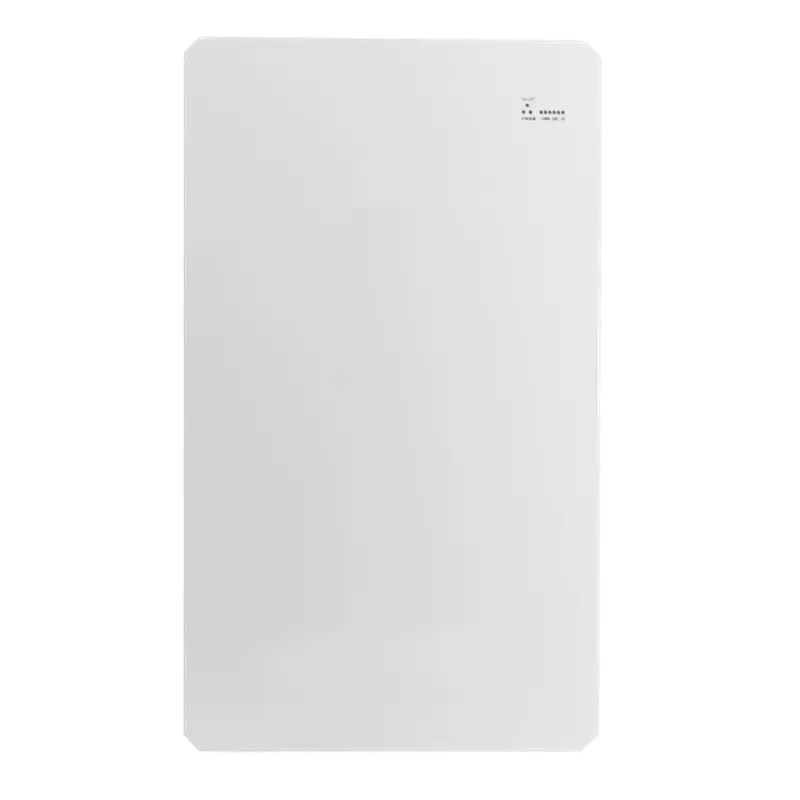
Low-voltage (LV) setups remain the global standard for telecom towers, off-grid cabins, and smaller residential applications. Crucially, 48V DC systems fall below standard low-voltage directive hazard thresholds in many countries, simplifying installation requirements and permitting. Parallel systems also provide high tolerance to single-point failures: if one battery module goes offline for maintenance, the remaining units continue to power the load without interruption.
Understanding factory audit procedures and regulatory certifications for international deployments.
Compliance is a critical factor for international energy project approvals and insurance coverage. Standard factory quality control must align with global expectations. B2B buyers should evaluate the following structural guidelines:
Additionally, working with a manufacturer that provides detailed engineering documentation (SLDs, communication protocols, mounting guidelines) helps reduce deployment timelines and installation costs.
Connect with our technical support team to receive specialized design layouts and wholesale pricing configurations within 24 hours.
Stay informed with the latest technical updates, installation best practices, and clean energy insights.
Critical engineering and financial questions addressed by ELEMRO's technical department.
A: The Levelized Cost of Storage (LCOS) for quality LiFePO4 cells ranges from $0.07 to $0.11 per kWh throughput. This is calculated by dividing the initial capital investment of the battery unit by the total energy throughput over its lifespan (e.g., 6000 cycles at 80% Depth of Discharge). Sourcing directly from certified factories helps minimize upfront costs, lowering LCOS and accelerating the system's return on investment (ROI).
A: High-voltage systems require more complex, multi-level BMS controllers and insulated enclosures, which can increase battery unit costs by 15-25%. However, they improve system efficiency and lower costs on the inverter and balance-of-system (BOS) side. For systems exceeding 15kWh, the reduced cost of thin copper wiring and optimized round-trip efficiency typically offsets the initial premium of the high-voltage design.
A: Lithium Iron Phosphate (LiFePO4) offers significant advantages for stationary energy applications. It has a higher thermal runaway threshold (around 270°C compared to NMC's 210°C), making it inherently safer. Additionally, LiFePO4 delivers 6,000+ cycles at 80% DoD, compared to approximately 2,000 to 3,000 cycles for standard NMC cells. This longer cycle life reduces system replacement costs over a typical 10-to-15-year project lifespan.
A: Most industrial lithium batteries perform best between 15°C and 35°C. Charging at sub-zero temperatures can cause lithium plating on the anode, permanently reducing battery capacity. Conversely, operation at sustained high temperatures (above 45°C) accelerates degradation. ELEMRO's containerized and premium residential systems incorporate smart thermal management, including active heating and liquid cooling systems, to maintain optimal operating temperatures.
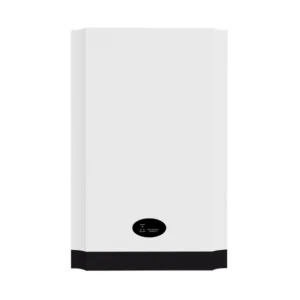
A comprehensive overview of our production-ready energy storage systems, available for global procurement.





 Elemro Energy