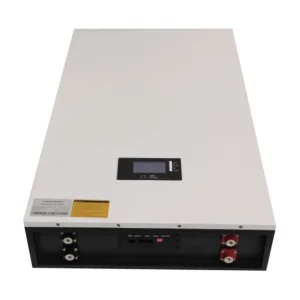
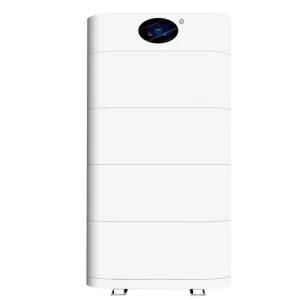
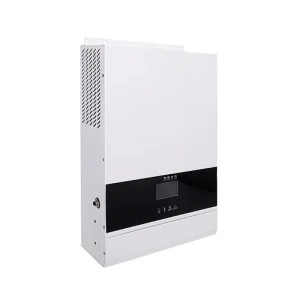
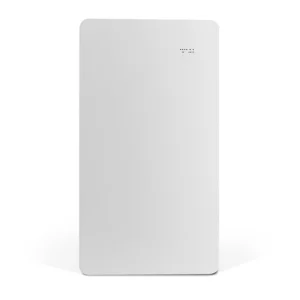
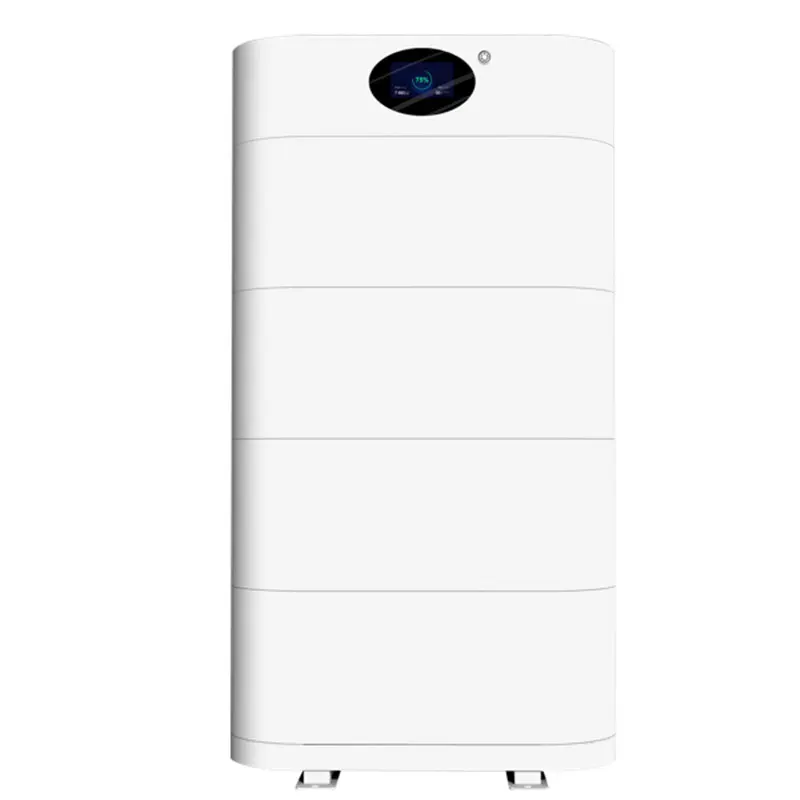
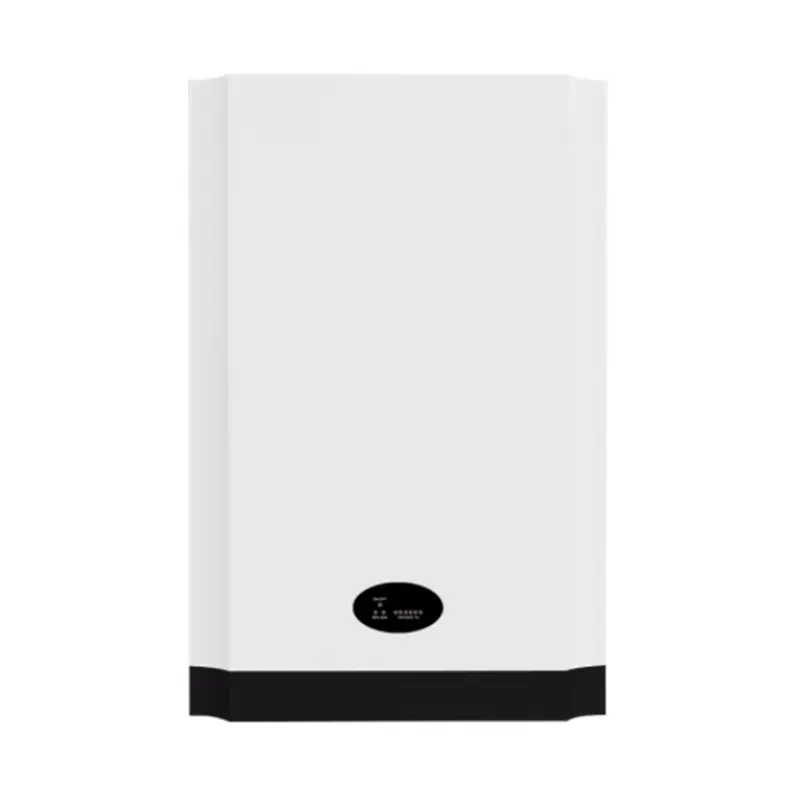
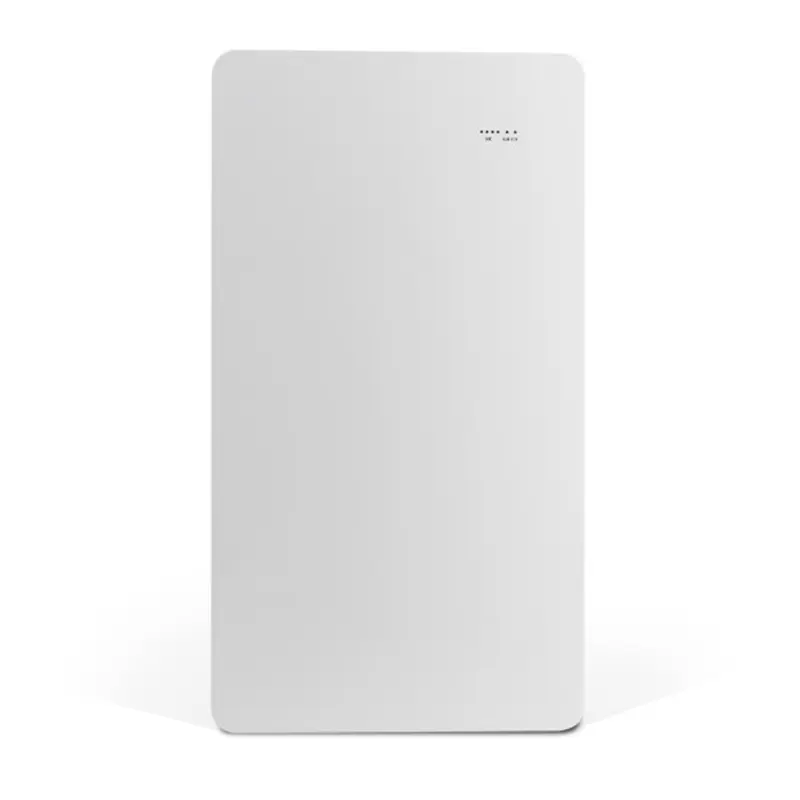
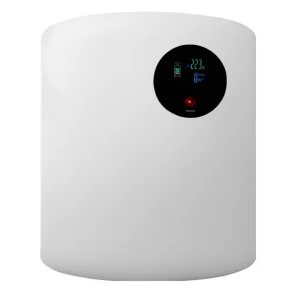
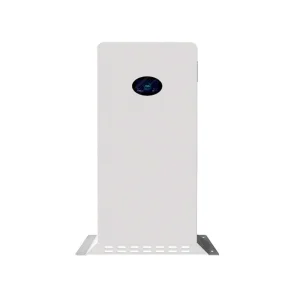
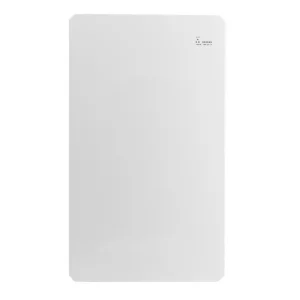
Engineered to ensure high cycling stability and optimized Levelized Cost of Storage (LCOS).
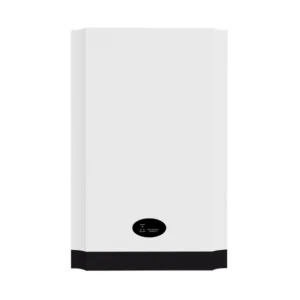
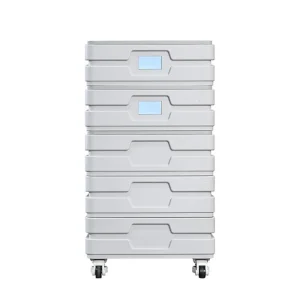
The global transition toward decentralized clean energy grids has repositioned electrochemical energy storage systems (BESS) from auxiliary reserves to base-load stabilizers. Selecting the ideal manufacturing partner among global solar power battery systems factories requires a rigorous understanding of battery cell chemistry, thermal dynamics, structural integrity, and supply chain logistics. This industry guide analyzes technical considerations, macro trends, and architectural standards for commercial, industrial, and residential BESS procurement.
The energy storage industry is undergoing rapid technological development. In modern solar power battery design, the shift from legacy lithium nickel manganese cobalt (NMC) formulations to lithium iron phosphate (LiFePO4 or LFP) chemistry is largely complete. This transition has been driven by safety considerations and lifecycle economics. LFP cells demonstrate superior thermal stability, with runaway thresholds near 270°C, compared to approximately 210°C for NMC cells. They also offer a longer operational lifespan, frequently exceeding 6,000 cycles at 80% Depth of Discharge (DoD) under nominal rates.
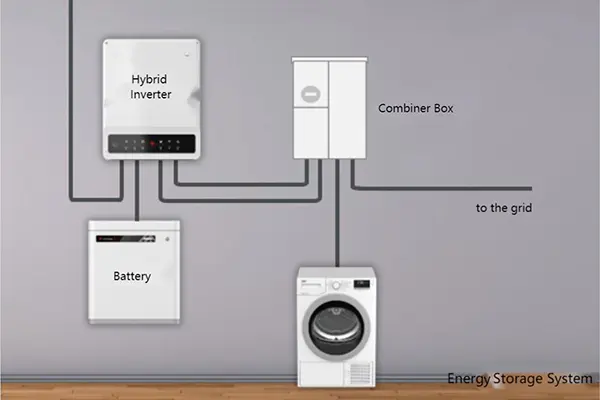
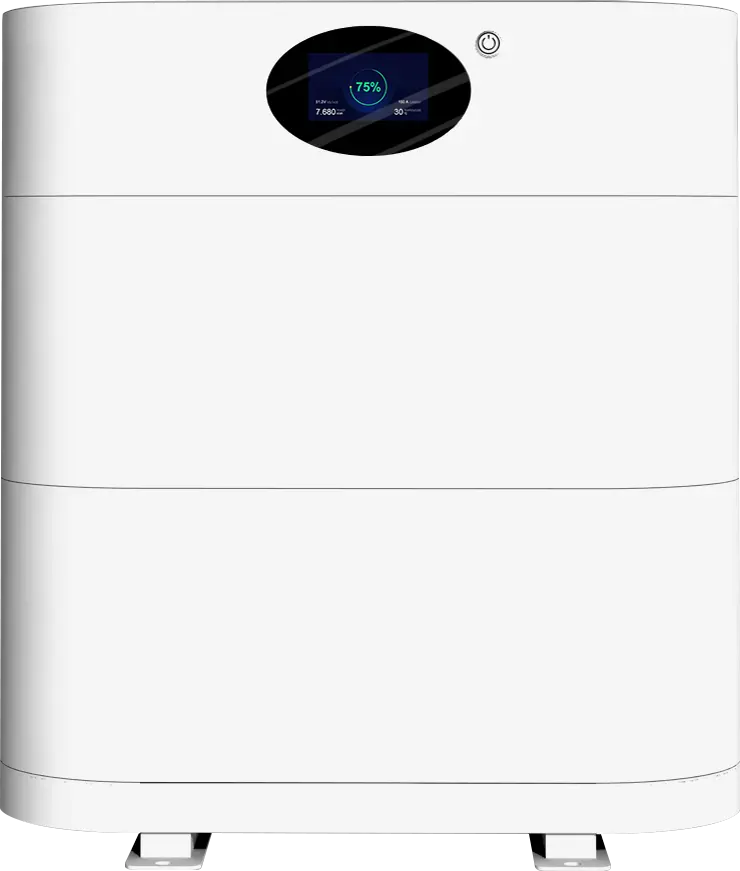
At the system-integration level, high-voltage architectures represent a significant trend. By stacking cells in series to elevate operational DC voltages from traditional 48V levels to 400V, 800V, or higher, manufacturers can achieve several efficiencies. These high-voltage designs reduce ohmic line losses (I²R losses) along the DC bus, allowing for smaller cable cross-sections and improving round-trip efficiency (RTE) from typical 85-88% ranges up to 92-94% at the system boundary. This approach also simplifies integration with high-efficiency hybrid inverters, reducing conversion steps.
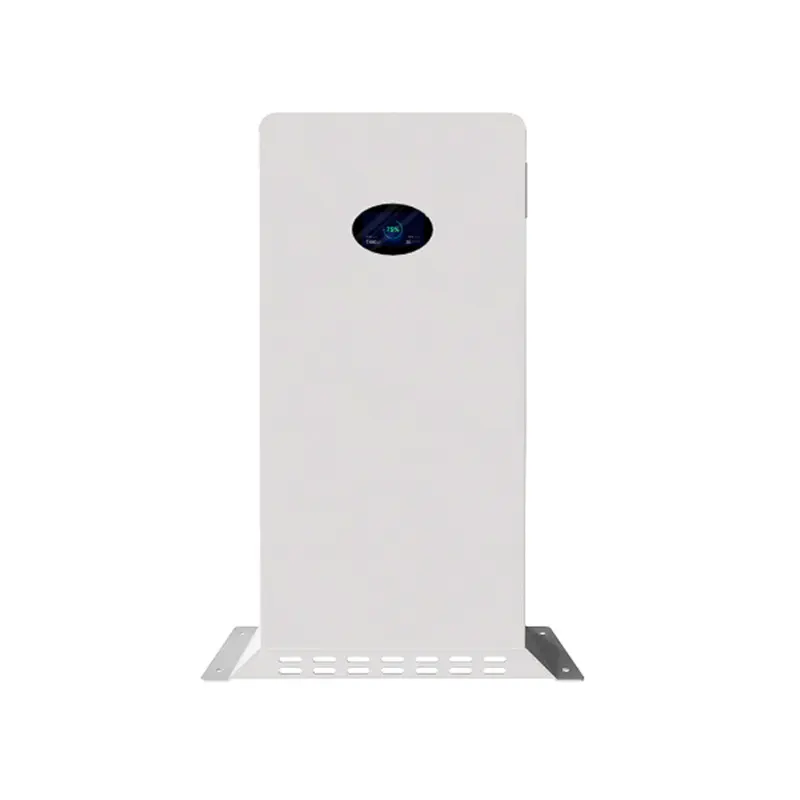
"High-voltage stacked energy storage systems mitigate conversion losses and optimize power density, delivering more reliable performance for complex grid-edge applications."
For Engineering, Procurement, and Construction (EPC) firms, utility operators, and commercial distributors, purchasing BESS equipment involves long-term performance risks. Evaluators must assess parameters beyond simple capital cost per kilowatt-hour ($/kWh).
The concentration of battery manufacturing infrastructure in hubs like Xiamen, China, highlights the value of integrated industrial clusters. Modern facilities leverage automated assembly lines where automated guided vehicles (AGVs), robotic cell stacking, laser welding, and automated optical inspection (AOI) work together to minimize manual assembly errors. These automated setups help ensure consistent production quality, which is critical when managing thousands of individual cells in multi-megawatt installations.
Furthermore, geographic proximity to the lithium supply chain, precursor refining industries, and specialized semiconductor packaging plants helps protect production schedules from global logistics disruptions. This supply chain integration allows manufacturers to manage material lead times effectively and coordinate product deliveries, even during periods of global logistics volatility.
Deploying storage systems requires adapting to local operational challenges. For instance, commercial and industrial (C&I) projects in developed markets focus on peak shaving and demand charge reduction, where systems discharge during peak tariff periods. In contrast, remote microgrids in developing regions prioritize resilience, requiring robust black-start capability and compatibility with diesel generators.
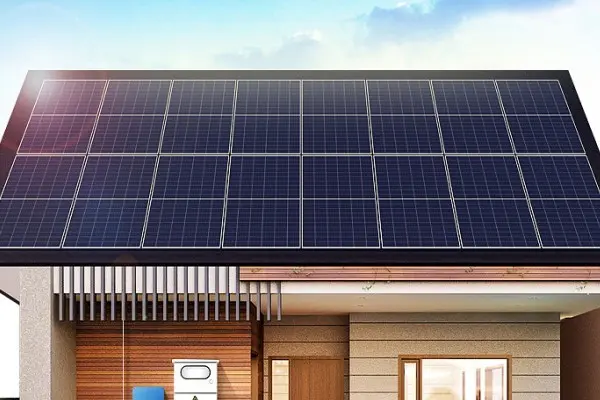
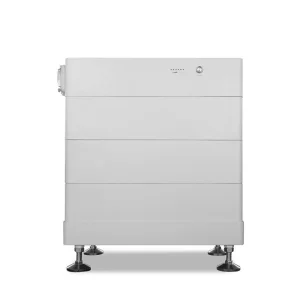
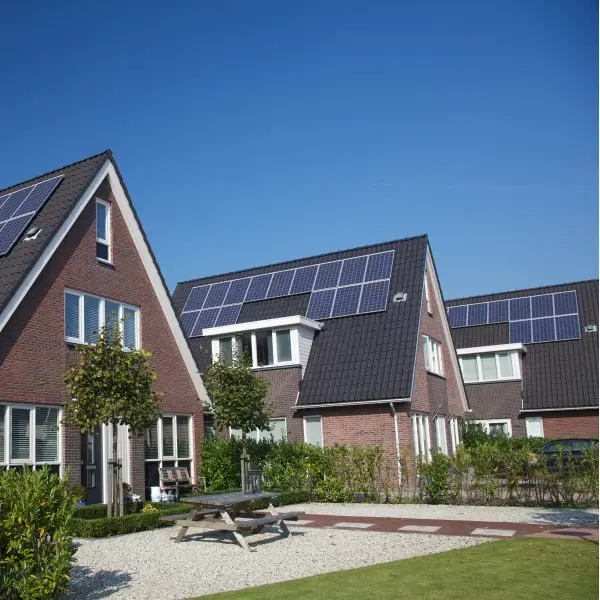
Residential setups also vary. While European markets favor modular, high-voltage stackable configurations for indoor installation, Australian and North American markets often prefer IP65-rated wall-mounted designs that can withstand high ambient temperatures and outdoor placement.
We provide cleaner energy for a greener world.

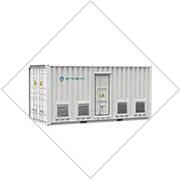
Established in 2019, headquartered in Xiamen, China, Elemro Energy has been specialized in new energy storage and electrical product solutions with rich experience. It is the market leader in the new energy industry that unifies R&D, production, and sales. The products have been sold to more than 250 customers in Europe, Southeast Asia, Africa, Mid-east, America, etc. Since its establishment, ELEMRO’s revenue has been growing rapidly every year. ELEMRO’s annual turnover is expected to exceed 50 millions USD in year 2023.
About UsStart a green and convenient life with Elemro Energy.
Key information regarding battery chemistry, factory audits, and BESS integration standards.
Stay informed with technical insights and updates from our engineering department.
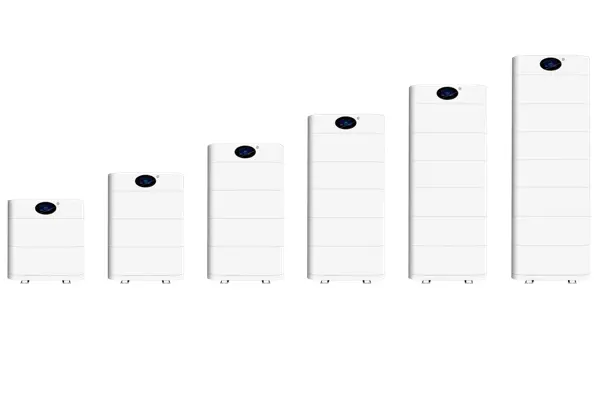
Complete your supply plan with these certified cell configurations, rack-mount systems, and BIPV components.





 Elemro Energy