Deploy industrial-grade storage solutions engineered for reliable grid integration, peak load management, and BIPV structures.
The global transition toward renewable energy has evolved from a regulatory mandate to a core economic strategy for enterprises worldwide. Clean energy solutions are no longer evaluated solely on nominal panel output or battery capacity; instead, developers look for integrated "Solar Plus Storage" architectures that minimize the Levelized Cost of Storage (LCOS) and maximize Round-Trip Efficiency (RTE).
Established in 2019 and headquartered in Xiamen, China, ELEMRO Energy has emerged as a premier manufacturer in this space. By combining advanced research and development with scalable production processes, ELEMRO provides unified energy solutions that address the specific engineering demands of modern Commercial & Industrial (C&I) projects, utility-scale developments, and BIPV integrations. Our annual turnover in 2023 exceeded 50 million USD, demonstrating global confidence in our production reliability and engineering capabilities.
Discover Our Engineering Heritage"We provide cleaner energy for a greener world through vertically integrated production lines, stringent quality management conforming to international standards, and responsive local support networks."
ELEMRO Energy bridges the gap between solar power generation and grid demand through structural innovations.

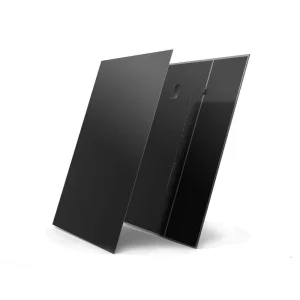
High-transparency photovoltaic glazing designed for seamless integration into Building-Integrated Photovoltaics (BIPV). Optimized to perform alongside cadmium telluride (CdTe) thin-film solar technology for architectural applications.
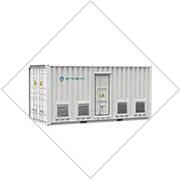
Megawatt-scale modular containerized energy storage units designed for utility grids, large commercial facilities, and off-grid configurations. Systems feature automated liquid cooling and integrated fire suppression.
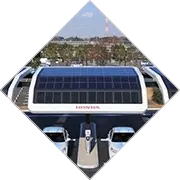
Dual-purpose structural frames that turn vehicle parking spaces into active energy production sites. Engineered to handle local wind and snow loads while integrating directly with C&I energy storage configurations.
EPC contractors, system integrators, and corporate procurement directors face several challenges when sourcing solar plus storage equipment. A successful system deployment requires evaluating factors beyond price-per-kilowatt-hour. Key procurement priorities include:
Battery degradation curves dictate project economics over a 10-to-20-year lifespan. Top tier manufacturers use Grade-A LFP (Lithium Iron Phosphate) cells with verifiable chemical profiles. This guarantees that cells will maintain at least 80% State of Health (SOH) after 6,000 charge-discharge cycles.
An Energy Storage System (ESS) must communicate reliably with solar inverters, local building management networks, and utility grid operators. Look for controllers that native-support Modbus TCP, CAN bus, and advanced Energy Management System (EMS) protocols for automated peak shaving and load response.
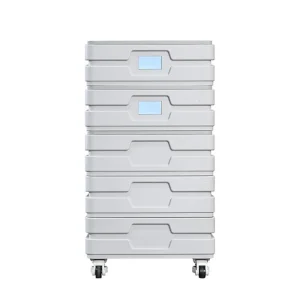
Transitioning from traditional 48V low-voltage configurations to high-voltage designs (above 400V DC) reduces current-related power losses and cable costs. This stackable layout simplifies installation and improves round-trip conversion efficiency.
Procurement teams must verify that components conform to global import policies (such as the US Uyghur Forced Labor Prevention Act and EU supply chain diligence rules). Secure material sourcing documentation guarantees project funding and compliance.
As solar plus storage deployments scale up, manufacturers are advancing cell chemistry, system controls, and safety engineering to improve performance:
While Lithium Iron Phosphate (LiFePO4) remains the industry standard for stationary storage due to its thermal stability and cyclic life, sodium-ion technology is emerging as an option for cold climates and projects with strict budget constraints. Meanwhile, solid-state battery research aims to eliminate liquid organic electrolytes, reducing thermal runaway risks and increasing energy density.
Modern battery packs are shifting from passive monitoring to active optimization. Integrated Battery Management Systems (BMS) collect real-time data on individual cell voltage, internal resistance, and operating temperatures. Cloud-based digital twin software models degradation patterns to predict component maintenance issues before failures occur, extending overall system life.
Building designs are shifting toward localized, surface-area generation. Cadmium Telluride (CdTe) thin-film solar technology provides superior performance in diffuse lighting and high temperatures compared to standard crystalline silicon panels. When paired with high-voltage stackable battery storage, BIPV systems allow office buildings and factories to generate and store energy directly through their building envelopes.
Commercial and industrial energy storage systems face distinct requirements across global markets due to varying grid conditions and local regulations:
Driven by the Inflation Reduction Act (IRA), US developers prioritize UL 9540A unit-level fire test compliance, local inter-connection approvals, and rapid-shutdown safety mechanisms to qualify for investment tax credits (ITC).
Under the Net Zero Industry Act, European projects require CE declaration, RoHS compliance, and adherence to EU Battery Passports. These passports track the lifecycle carbon footprint of materials from raw extraction to recycling.
In Southeast Asia, the Middle East, and Africa, microgrids are critical for business continuity. Installations focus on robust IP65-rated enclosures, active dust filtration, and dual-source grid/diesel generator switching controls.
Start a green and convenient life with Elemro Energy. Compare our custom configurations engineered for diverse power applications.
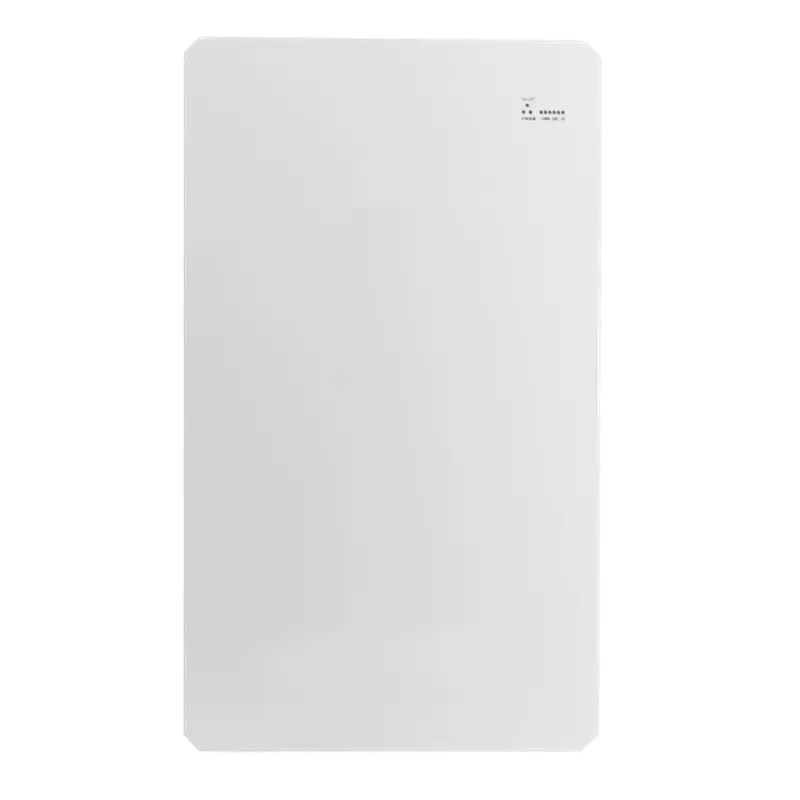
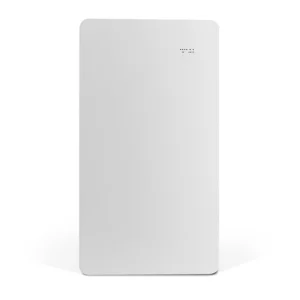
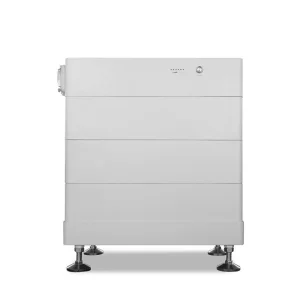
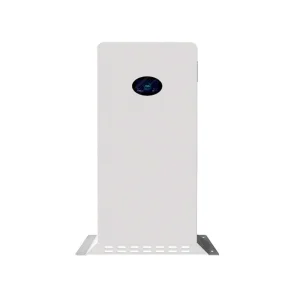
Compact, low-profile wall or floor-standing LFP configuration suitable for high-density modern installations.
Get System Price Sheet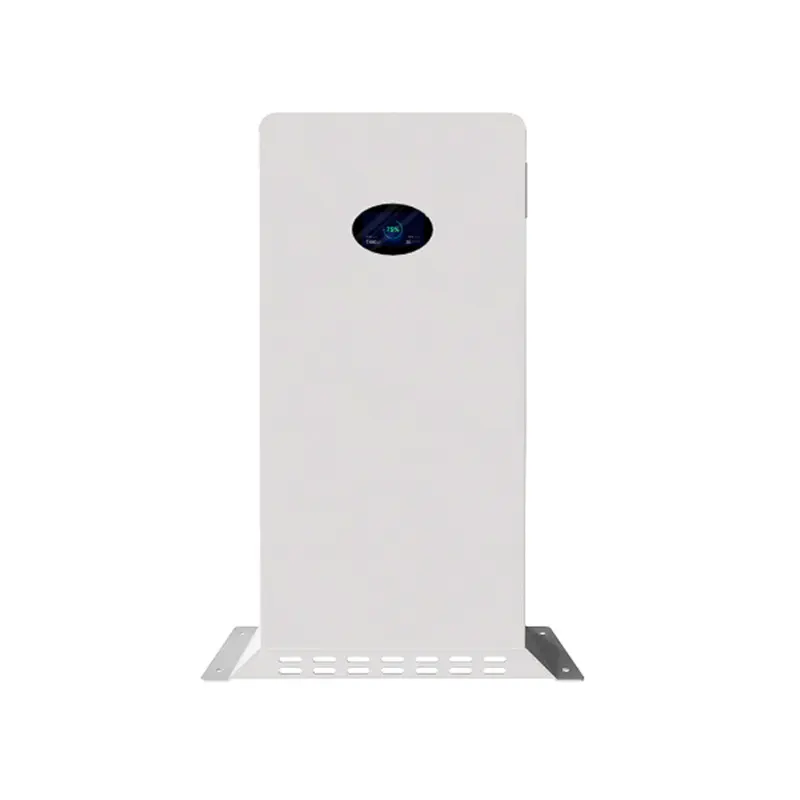
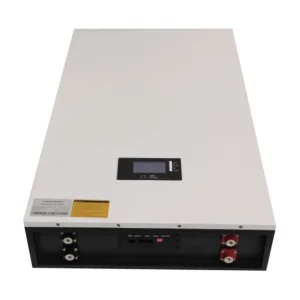
High-capacity low-voltage system designed for reliable residential backup and light commercial use.
Get System Price Sheet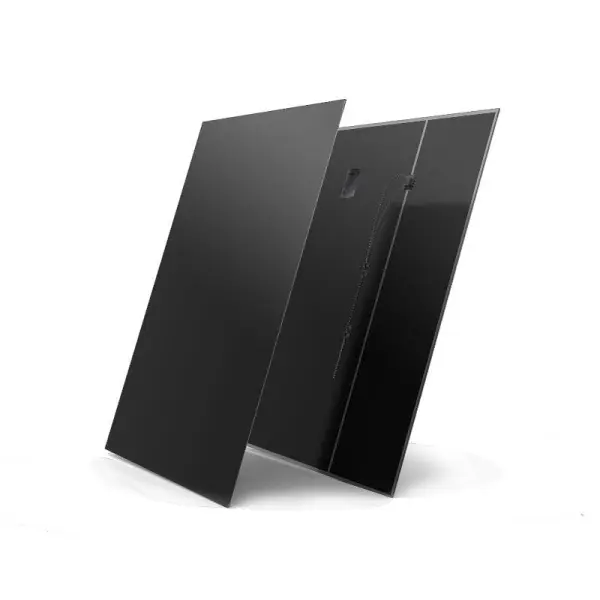
Advanced thin-film panels engineered for architectural integration and excellent low-light performance.
Get System Price Sheet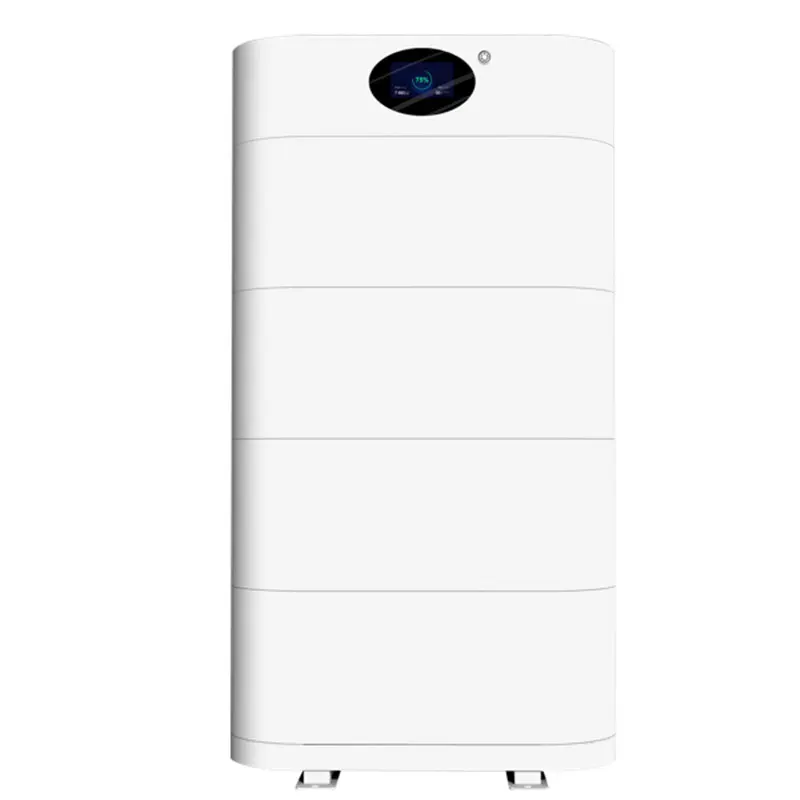
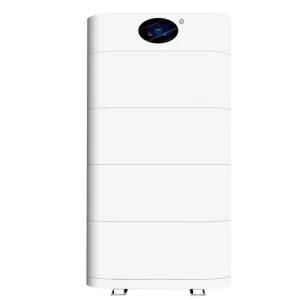
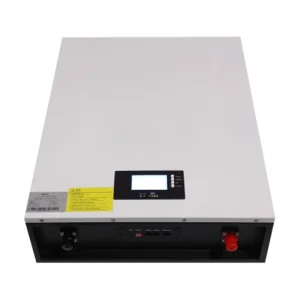
Scalable high-voltage configuration for three-phase commercial systems and high-efficiency operations.
Get System Price Sheet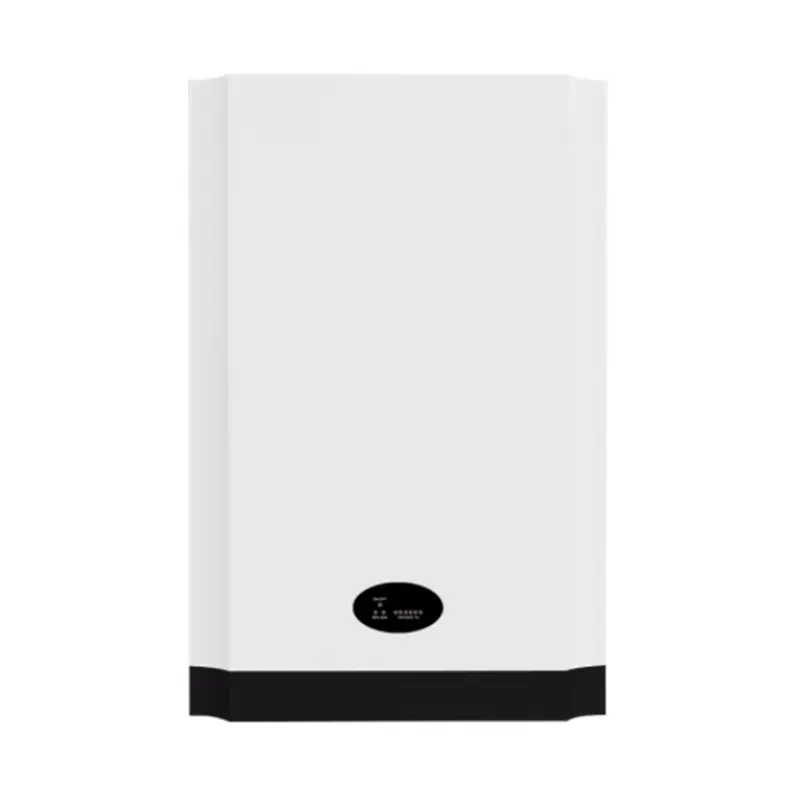
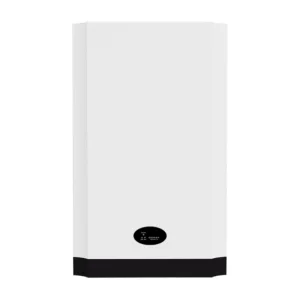
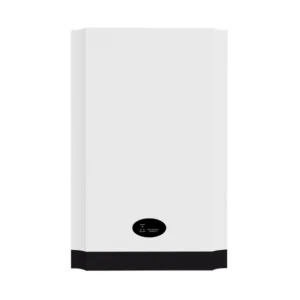
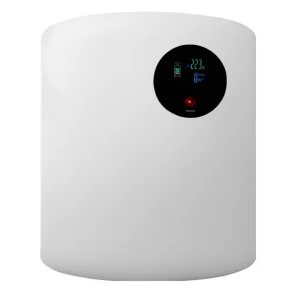
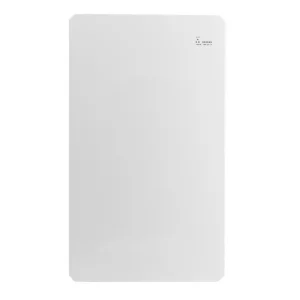
Compact residential solution designed for easy wall mounting, offering over 6,000 lifecycles.
Get System Price Sheet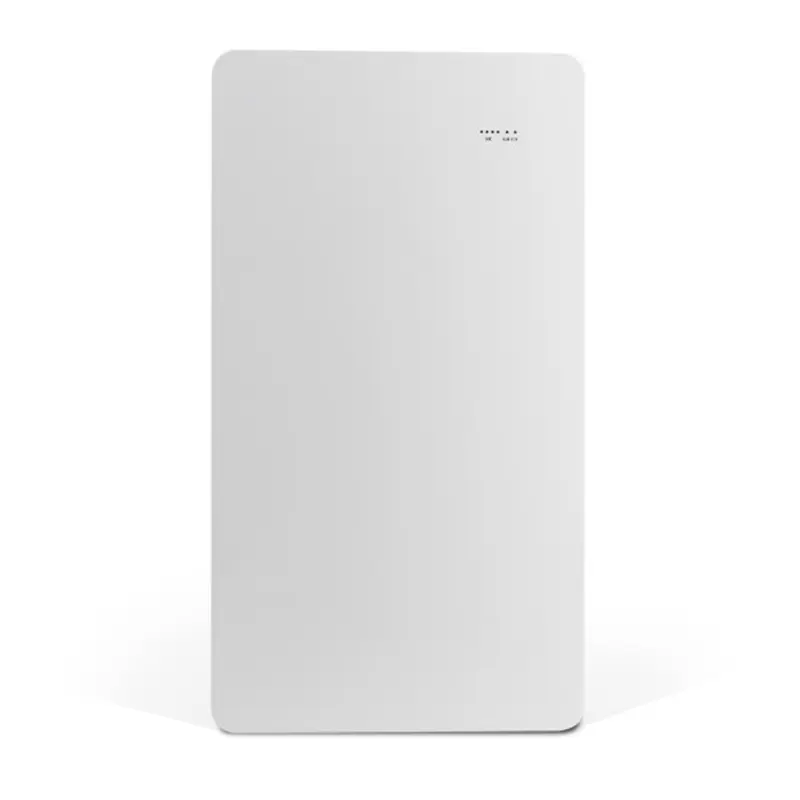
High-capacity backup system designed to support household loads and light commercial operations.
Get System Price SheetHigh-voltage systems (typically between 200V and 800V DC) run at lower currents than 48V low-voltage configurations. This reduces heat generation and resistive cable losses during operation, resulting in higher overall round-trip conversion efficiency. In addition, high-voltage battery designs allow for smaller cable cross-sections, simplifying industrial integrations and reducing installation material costs.
LiFePO4 (LFP) is the preferred chemistry for commercial energy storage systems because of its superior safety profile and longevity compared to nickel-cobalt-manganese (NCM) chemistries. LFP cells have a high thermal runaway threshold (around 270°C) and do not release oxygen if punctured. They typically deliver over 6,000 charging cycles at 80% Depth of Discharge (DoD), supporting long-term project lifespans of 10 to 15 years.
CdTe thin-film panels feature a low temperature coefficient and spectral response optimized for real-world environmental conditions. They maintain energy output on cloudy days, in high humidity, and during high-temperature conditions better than traditional silicon-based solar panels. When integrated directly into building materials (BIPV), CdTe panels turn building facades and window areas into active clean energy generation surfaces.
For commercial projects, certifications including UL 9540 (system level), UL 1973 (battery pack safety), IEC 62619 (industrial battery testing), and UN 38.3 (lithium battery transport compliance) are critical. These standards ensure the battery system has undergone testing for electrical, thermal, and mechanical stressors to minimize fire hazards in operational settings.
An active EMS coordinates real-time solar panel output, energy storage capacity, and local facility power demand. It automatically switches the system between saving solar energy during low-rate times and discharging stored power during peak-rate periods (peak shaving). This control reduces demand charges and optimizes solar energy usage, shortening the system's investment payback period.
Stay updated with our technical reports, industry updates, and expert product comparisons.
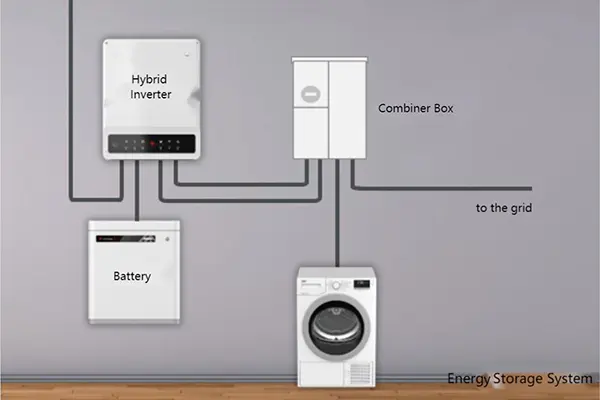
An engineering review analyzing split-phase configurations, off-grid changeover times, and thermal management in residential systems.
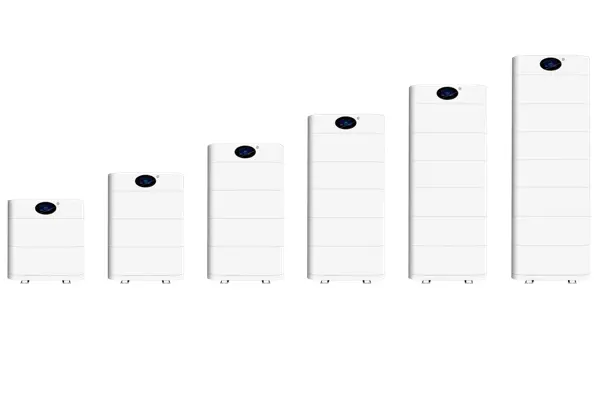
Comparing LFP and NCM battery chemistries on cycle stability, safety profiles, thermal runaway characteristics, and cost structures.
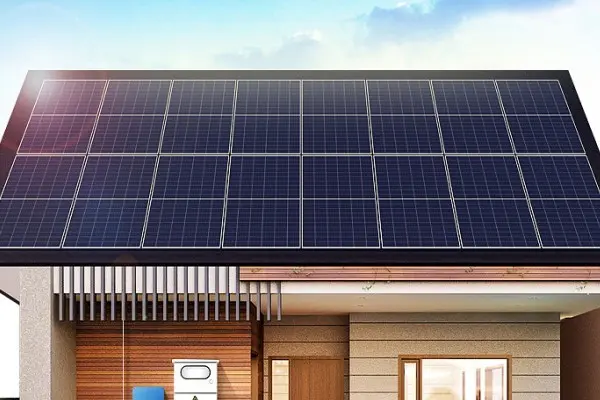
Analyzing backup power layouts, industrial peak shaving strategies, and microgrid setups for remote locations.
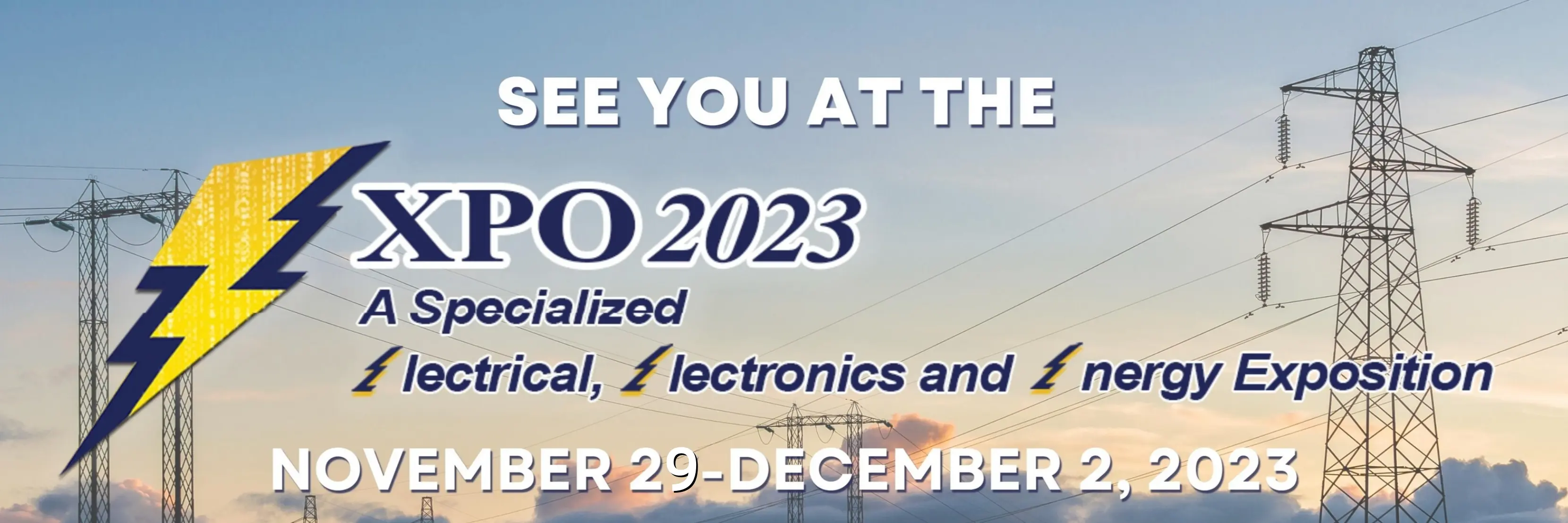
ELEMRO showcased off-grid energy storage technologies and high-voltage stacked systems for the Southeast Asian market.
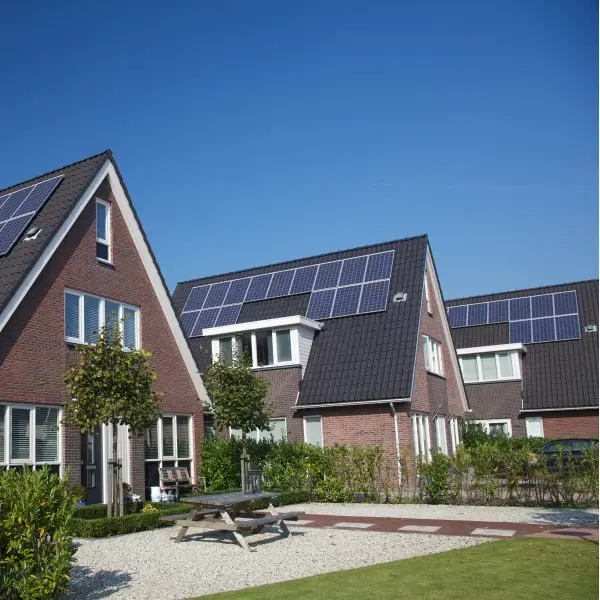
Evaluating thin-film CdTe panel installations, architectural integration (BIPV), and grid-connected ground setups.
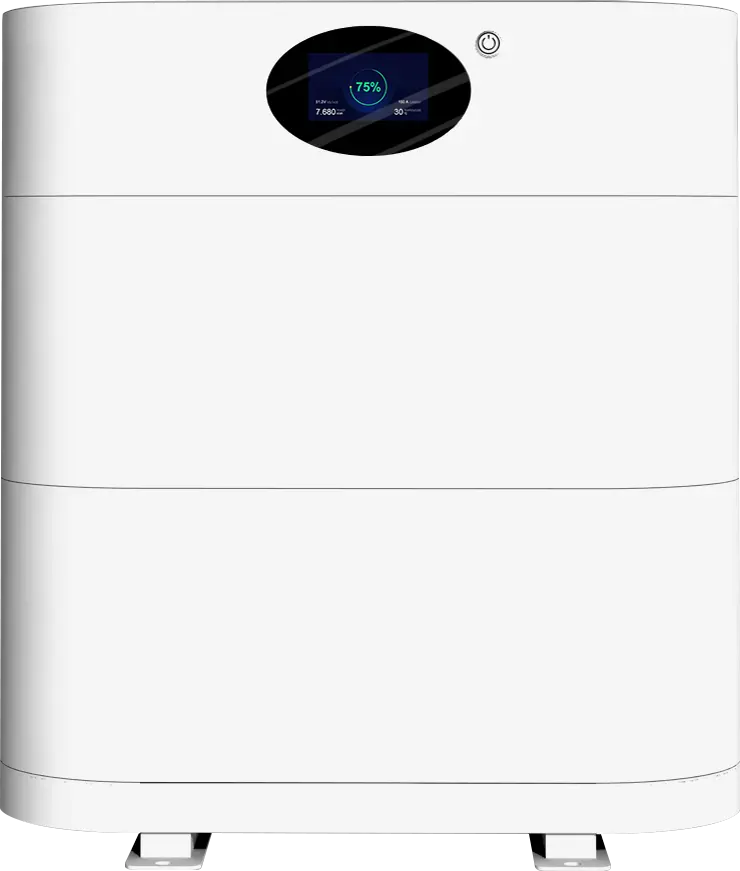
A breakdown of key battery characteristics, including round-trip efficiency, charge rates, battery management, and stackable features.





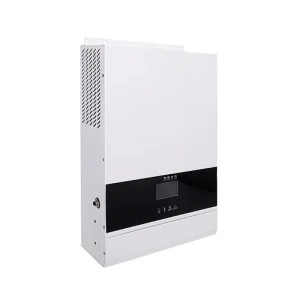
Examine our full manufacturing scope, covering high-voltage battery racks, inverters, and wall-mounted storage.
 Elemro Energy