Explore our leading utility-scale, commercial, and residential solutions engineered for maximum durability, performance, and return on investment.
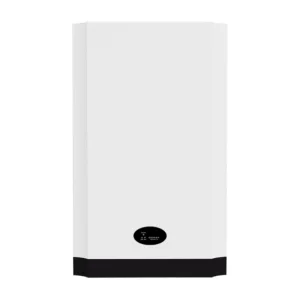
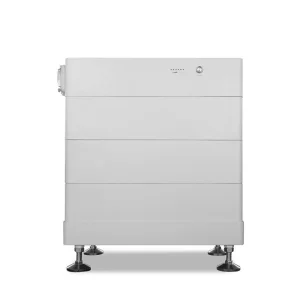
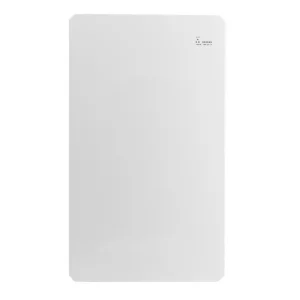
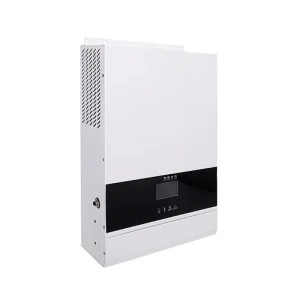
The global transition to net-zero carbon emissions has fueled unprecedented technological innovations in the field of hybrid energy solutions. A Solar Plus Battery System, which pairs photovoltaic power generation with modern electrochemical storage (BESS), represents the cornerstone of future power grids. In the coming decade, several critical technological changes will redefine standard installations:
While Lithium Iron Phosphate (LiFePO4 or LFP) remains the reigning standard for stationary applications due to its high thermal stability, safety, and long cycle life, the pipeline is actively transitioning. Manufacturers are scaling up solid-state lithium-metal technologies and sodium-ion configurations. Solid-state packs promise double the volumetric energy density, minimizing space constraints, whereas sodium-ion chemistries stand to lower raw material bills substantially, shielding developers from lithium price volatility.
Moving from traditional 1000V setups to 1500V DC operating voltages represents a crucial pathway to cost reduction for utility and commercial installations. Operating at higher voltages decreases line losses, minimizes total cable diameters, and boosts inverter efficiency. This evolution demands advanced high-voltage lithium battery stacks designed to resist degradation under sustained high electric potential.
Modern hybrid setups no longer function merely as passive electricity reservoirs. Integrated AI layers continuously process local meteorological forecasts, historical utility demand, real-time pricing telemetry, and thermal limits to dictate charge/discharge cycles. Using dynamic forecasting, systems execute automatic peak shaving, arbitrage, and grid frequency regulation, maximizing the overall financial return (Levelized Cost of Storage - LCOS).
We provide cleaner energy for a greener world. Discover our dedicated engineering solutions designed for absolute sustainability.

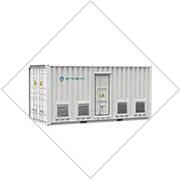
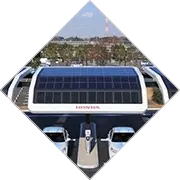
Established in 2019, headquartered in Xiamen, China, Elemro Energy has been specialized in new energy storage and electrical product solutions with rich experience. It is the market leader in the new energy industry that unifies R&D, production, and sales. The products have been sold to more than 250 customers in Europe, Southeast Asia, Africa, Mid-east, America, etc. Since its establishment, ELEMRO’s revenue has been growing rapidly every year. ELEMRO’s annual turnover is expected to exceed 50 millions USD in year 2023.
About UsB2B energy buyers require highly specialized architectures to meet unique operational and geographical challenges. A one-size-fits-all battery is no longer viable. Here is how solar plus storage technologies address macro energy challenges:
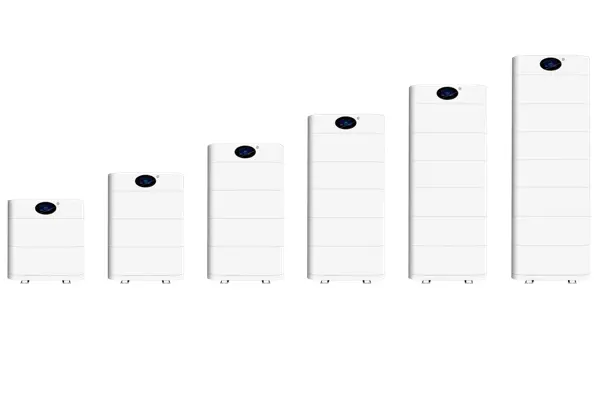
In many regions, utility tariffs charge premium demand rates based on a facility's peak draw. By installing intelligent systems like the Elemro SHELL or high-voltage stackable battery blocks, factories can discharge stored clean power during local peak hours. This process reduces overall demand peaks, significantly lowering monthly utility costs.
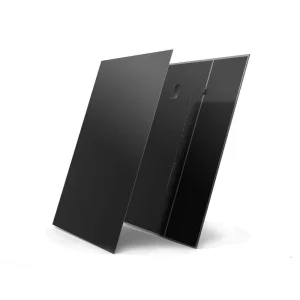
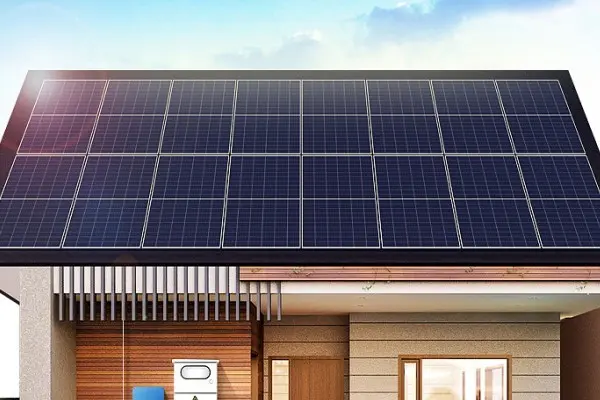
Modern structural designs turn properties into power plants. Using advanced thin-film modules, such as Elemro Cadmium Telluride (CdTe) thin-film cells, builders integrate energy-harvesting capabilities directly into glass facades and roofing structures. CdTe cells perform well in low-light environments, operate efficiently at high temperatures, and present a sleek design compared to standard silicon modules. They work in tandem with decentralized battery storage systems to deliver stable power levels.
For remote areas and communities disconnected from centralized grids, integrating PV systems with lithium battery backups offers an alternative to diesel generator setups. By matching solar production with containerized energy storage systems, these microgrids ensure continuous power availability, reducing fuel imports and shielding local budgets from high transport logistics costs.
China continues to lead the global supply chain for lithium battery manufacturing and solar modules. Utilizing advanced smart manufacturing facilities, Chinese plants produce reliable solar-plus-storage equipment at scale:
Modern production facilities utilize robotic arms and automated vision inspections. Precise laser welding ensures stable electrical connectivity, while automated robotic systems stack cells, configure battery packs, and wire BMS units with minimal manual intervention. This level of automation reduces the risk of cell connection failures, standardizing overall system performance.
Quality begins at the chemical level. Trusted manufacturers check raw materials using atomic emission spectroscopy and follow structured assembly procedures, including computerized cell sorting by internal resistance, dynamic aging cycles, and thermal chamber tests. Finished battery configurations undergo vibration, drop, and thermal runaway evaluations to verify compliance with international safety codes.
By situating assembly facilities near raw material processing centers, Chinese manufacturers benefit from direct access to active components, including lithium, cobalt, and nickel, along with separator films and copper grids. This integration reduces overall manufacturing time, mitigates international freight disruptions, and allows for rapid design updates based on current market feedback.
Navigating the complex regulatory environments of global markets is one of the most critical elements of implementing energy storage systems. B2B buyers must prioritize products that carry established safety certifications:
In addition to certifications, established manufacturers coordinate localized support services, offering technical assistance, replacement parts, and engineering consultations to simplify integration and minimize downtime.
Acquiring large-scale solar and battery infrastructure requires clear evaluation criteria. B2B buyers should prioritize key operational metrics during the selection process:
Different installation environments require specific hardware configurations. Buyers should verify if the supplier can adapt standard battery cabinets to fit tight spaces, integrate with third-party hybrid inverters, or custom-program the BMS to match local grid parameters.
A standard energy storage system should offer a 10-year warranty, guaranteeing at least 70% to 80% of the original capacity remains at the end of the term. Buyers should review manufacturer warranty terms, verifying details like maximum energy throughput and chemical degradation profiles.
Securing reliable project hardware is only part of the equation; ongoing system operation requires structured technical support. Buyers should evaluate suppliers based on their capacity to provide firmware updates, replacement modules, and virtual system diagnostics to maintain operational uptime.
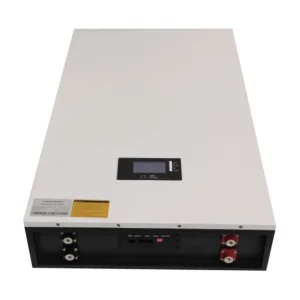
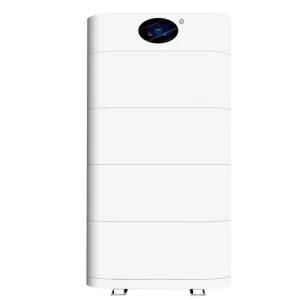
Premium solutions developed for commercial microgrids, off-grid systems, and integrated BIPV projects.
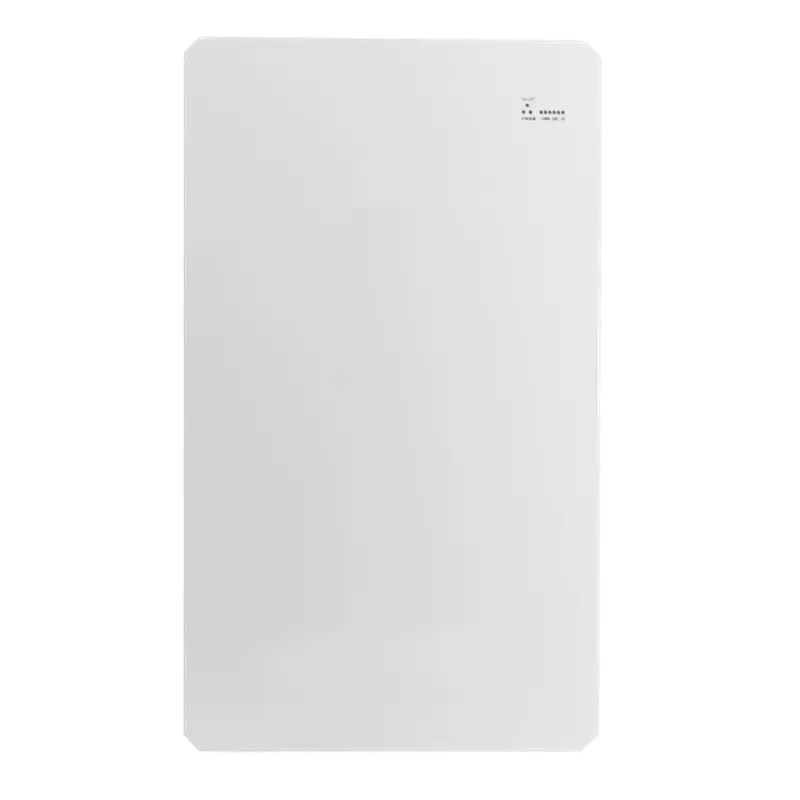
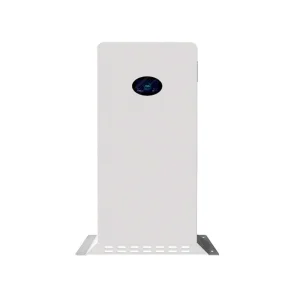
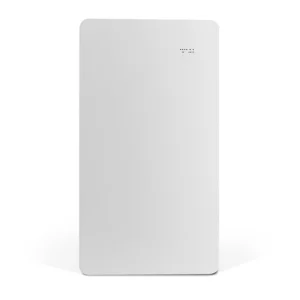
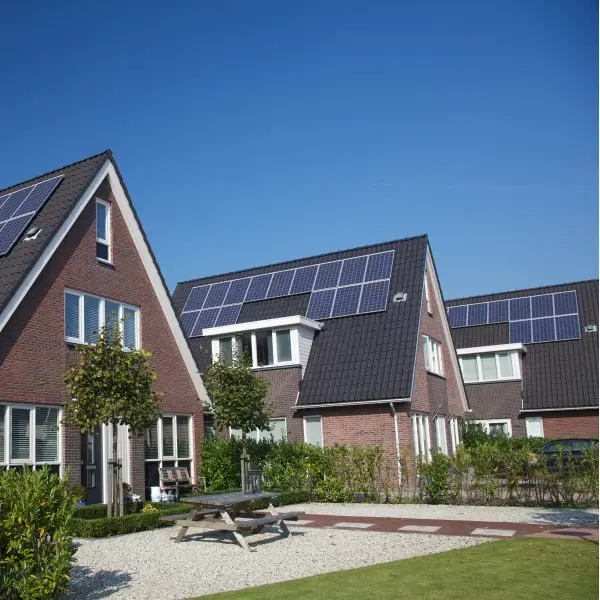
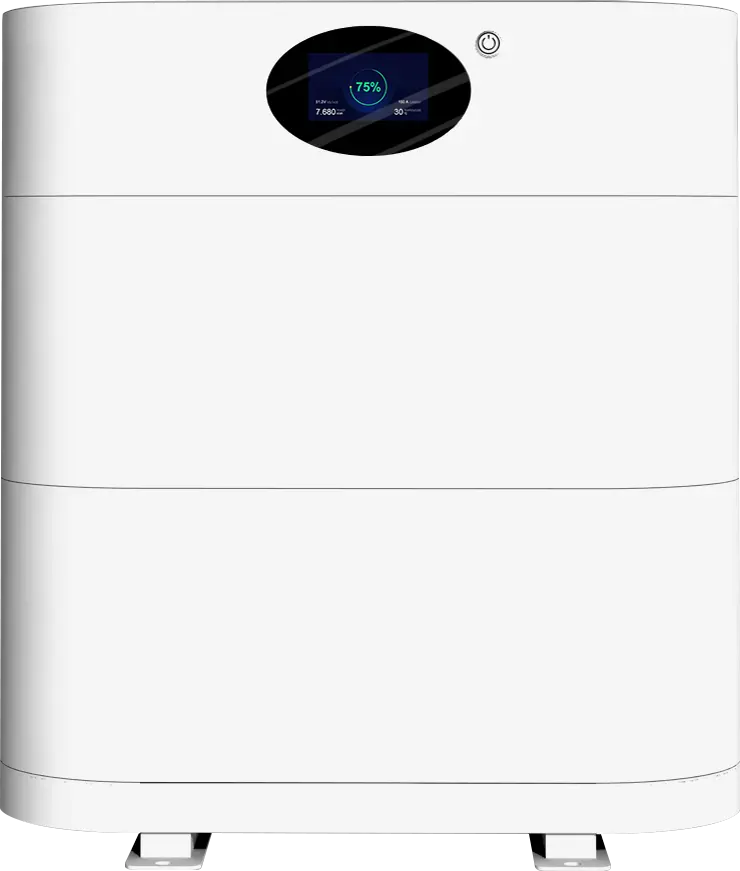
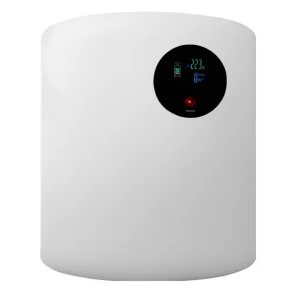
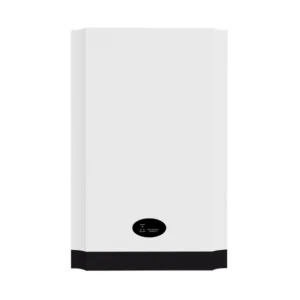
Compact, aesthetic design for modern high-performance residential backups.
Request Quote →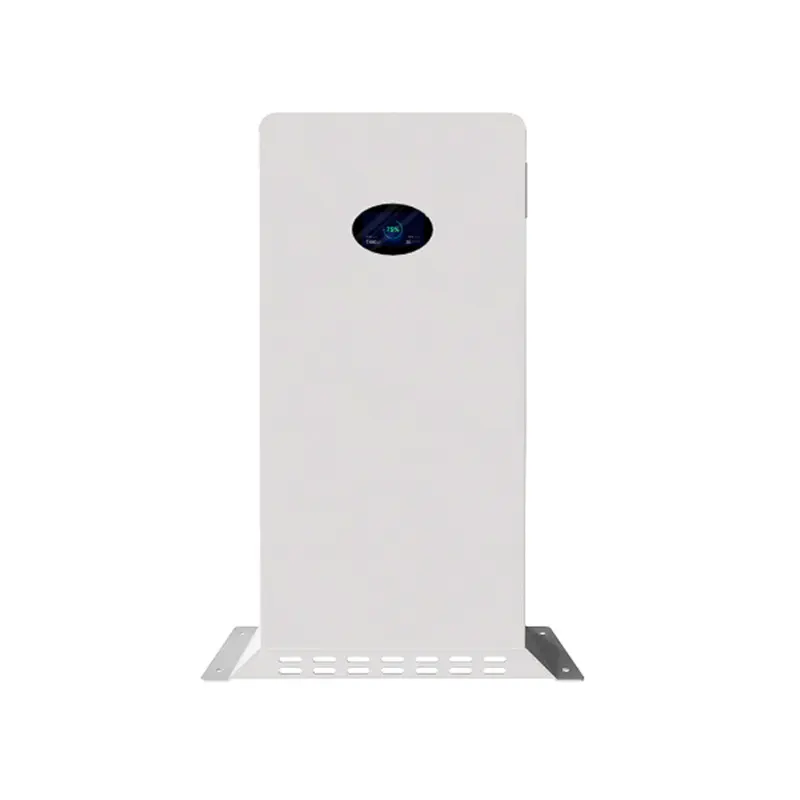
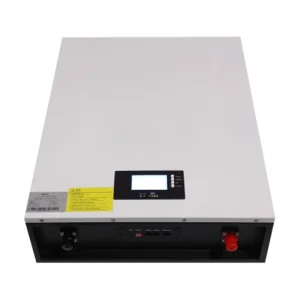
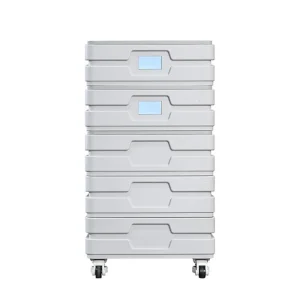
Robust energy density with intelligent battery management optimization.
Request Quote →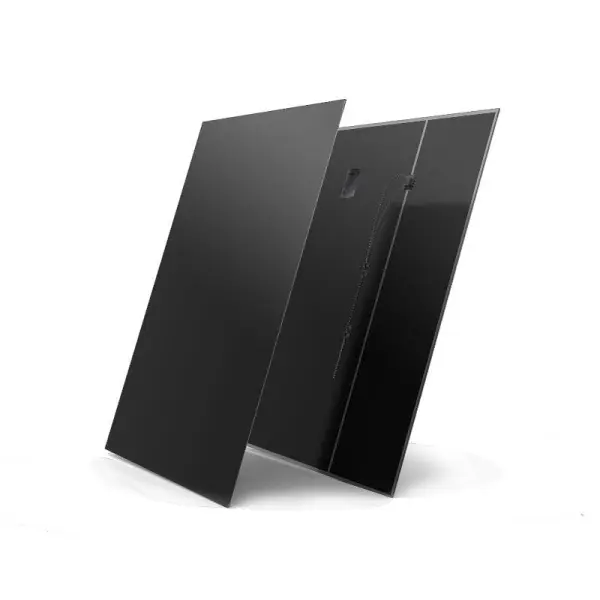
Next-generation thin-film tech perfect for integration into building structures.
Request Quote →Stay informed with industry insights, technical analyses, and global event updates from our engineering department.
For inquiries about our product line, custom manufacturing services, or up-to-date B2B price lists, please send us an email. Our technical support team will respond within 24 hours.
Inquiry For PricelistGet answers to critical technical and logistical questions commonly raised by system designers, engineering firms, and utility managers.
Select from our high-voltage battery modules, inverter options, and BIPV components designed for global energy grids.




 Elemro Energy