Premium performance systems, rigorously engineered in our advanced automated manufacturing facilities.
Providing cleaner, highly reliable, and optimized energy technologies for a resilient green world.

The Global Leader in Specialized Energy Storage and Electrical Product Solutions
Established in 2019 and headquartered in the high-tech renewable energy hub of Xiamen, China, ELEMRO Energy has evolved into a premier market leader within the new energy industry. ELEMRO consolidates research and development (R&D), advanced smart production lines, and global supply-chain services. Through relentless engineering and technology integration, the company has deployed optimized systems across Europe, Southeast Asia, Africa, the Middle East, and the Americas, supporting over 250 tier-one customers.
By maintaining strict quality assurance frameworks and leveraging advanced manufacturing facilities in China, ELEMRO's revenue trajectory has grown exponentially year over year. The annual turnover exceeded 50 million USD in 2023, reflecting the global market's deep confidence in ELEMRO's product quality, technical competency, and grid-scale reliability.
Deep Technical Insights into Global Decarbonization, Supply Chains, and System Engineering
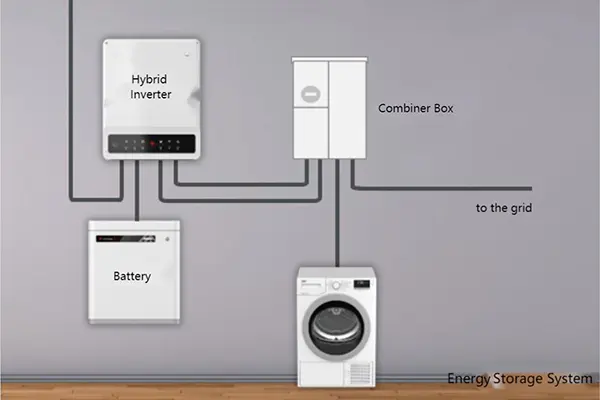
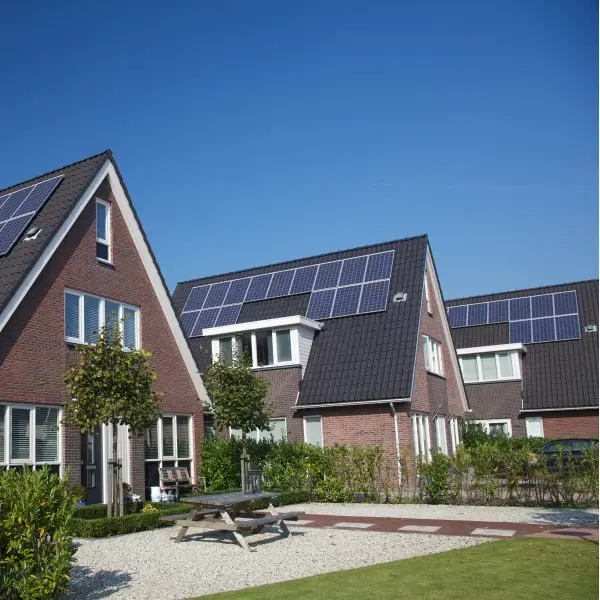
The modern global energy grid is undergoing a paradigm shift. Traditional baseload generation is increasingly replaced by variable renewable energy (VRE). For Commercial & Industrial (C&I) entities, this presents a dual challenge: managing volatile electricity markets while ensuring operational continuity. Modern solar panels combined with Battery Energy Storage Systems (BESS) address these challenges directly. By implementing behind-the-meter (BTM) storage, companies can mitigate peak demand charges, participate in demand response, and guarantee uninterruptible power supply (UPS) during grid anomalies.
Furthermore, technologies like Cadmium Telluride (CdTe) thin-film solar cells are revolutionizing Building-Integrated Photovoltaics (BIPV). Unlike conventional silicon modules, CdTe thin-film technologies demonstrate excellent low-light performance and a lower temperature coefficient. This makes them highly suitable for vertical facade installations on modern architectural designs.
"Levelized Cost of Electricity (LCOE) is no longer the sole metric of system viability. Levelized Cost of Storage (LCOS) and round-trip efficiency (RTE) dictate the economic outcome of industrial energy investments."
The efficiency and resilience of China's renewable energy manufacturing ecosystem are unmatched. China accounts for over 80% of the world's solar cell production capacity and controls a dominant share of the upstream polysilicon, ingot, wafer, and lithium-ion battery processing supply chain. Located in Xiamen, ELEMRO leverages this deep localized supply chain infrastructure to source high-grade raw materials, LiFePO4 cells, and semi-conductors at optimized cost-structures.
This localized vertical integration translates to several key advantages for international buyers:
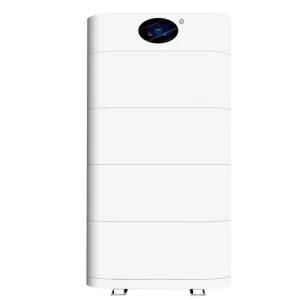
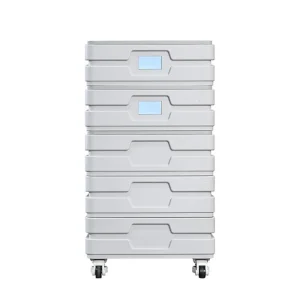
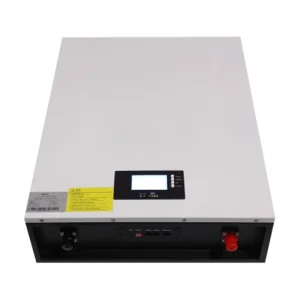
ELEMRO's technical roadmap focus is centered on Lithium Iron Phosphate (LiFePO4) chemistry for stationary storage due to its exceptional thermal stability and long cycle life (typically exceeding 6,000 cycles at 80% Depth of Discharge). In parallel, the high-voltage stacked architecture (such as the High Voltage Stacked Energy Storage Battery) is rapidly becoming the standard for residential and C&I projects. By placing battery modules in series, system voltage is elevated (up to 400V-800V), which reduces transmission currents, minimizes thermal losses, and simplifies integration with three-phase hybrid inverters.
| Parameters | Low-Voltage (LV) Systems | High-Voltage (HV) Systems | Solid-State / Next Gen (Future) |
|---|---|---|---|
| Operating Voltage | 48V - 51.2V | 150V - 800V DC | > 900V DC |
| Round-Trip Efficiency | ~ 92% | ~ 96% - 98% | > 99% |
| Deployment Scenarios | Residential, Small Off-Grid | C&I, Microgrid, Stackable Home | Utility-Scale Grid Storage |
| Thermal Management | Passive Air-Cooling | Active Air / Liquid Cooling | Advanced Solid State Matrix |
Energy storage requirements differ significantly by geographical region and local grid regulations:
Deploying solar batteries internationally requires adherence to strict safety and connection rules. ELEMRO's manufacturing processes conform to all essential international frameworks:
Explore our highly integrated residential and commercial system architectures.
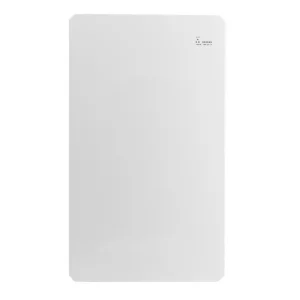
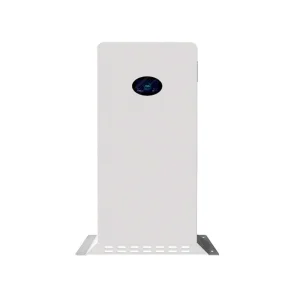
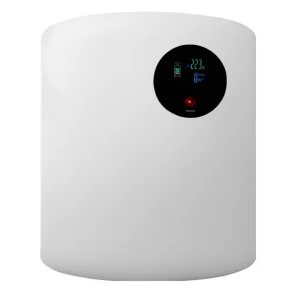
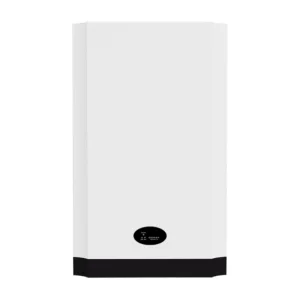
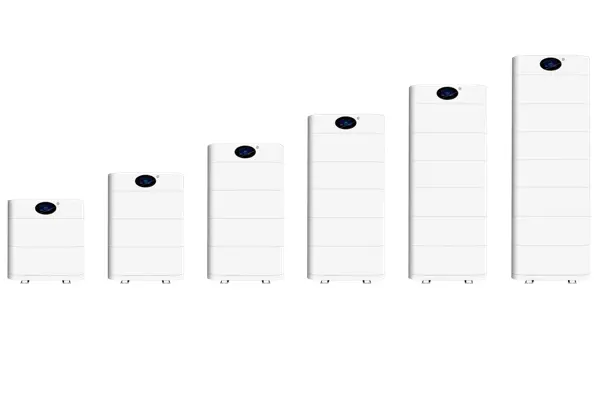
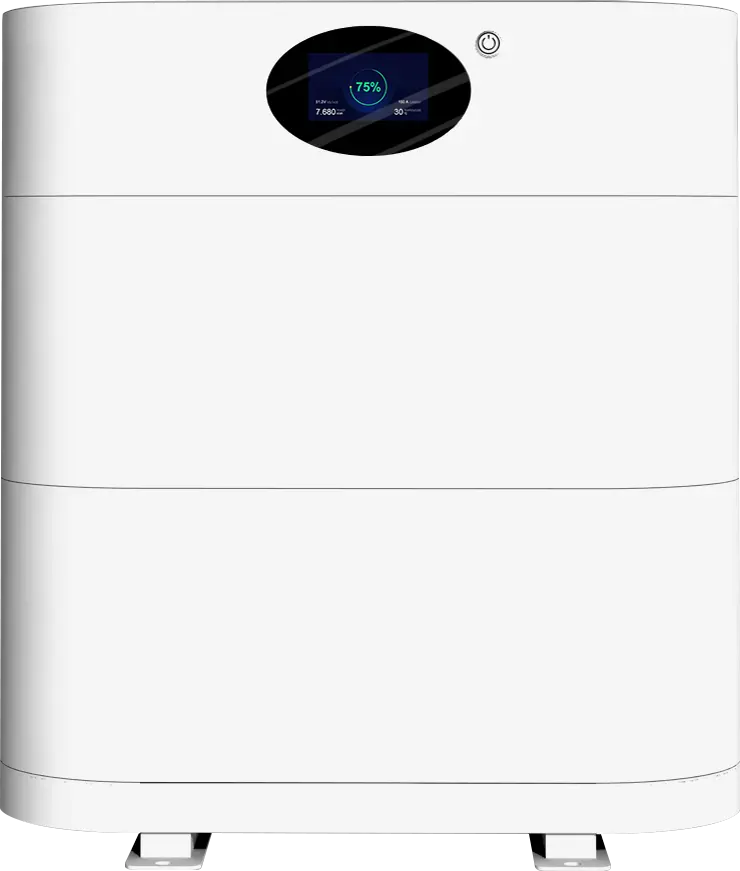
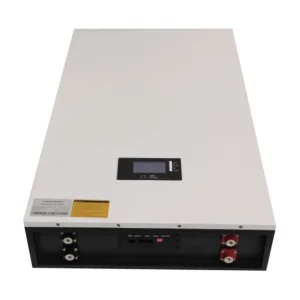
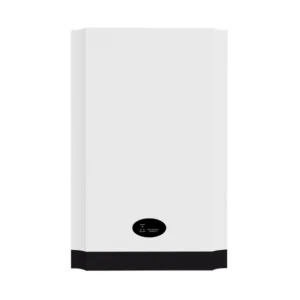
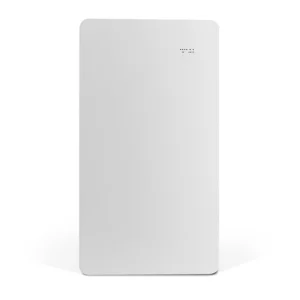
The Elemro SHELL series (available in 10.2kWh and 14.3kWh) is engineered for premium residential energy independence. Its slim, modern design fits seamlessly into utility spaces or garages, featuring advanced active balancing BMS technology for optimized cell longevity.
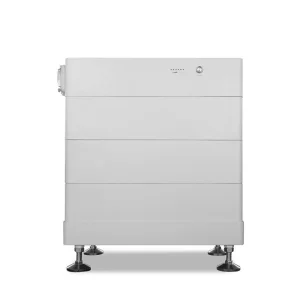
Designed for modular scaling, these stacked units support fast installation without external cabling. Ideal for growing families or small commercial operations that require flexible modular expansion up to 40kWh+.
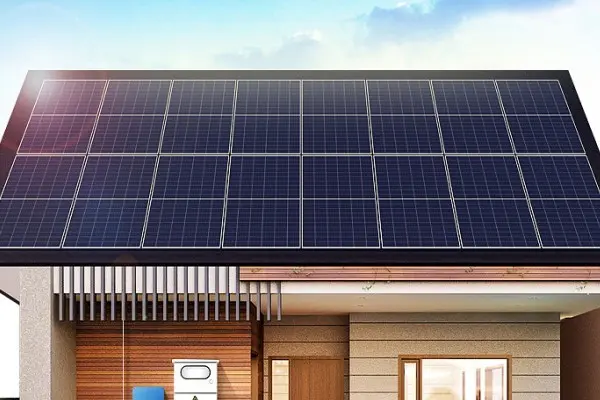
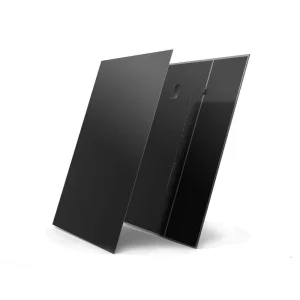
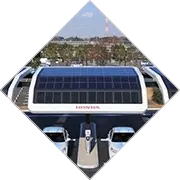
Our Cadmium Telluride thin-film panels offer unprecedented flexibility for building-integrated applications. Providing superior energy yields in overcast regions, they represent the future of urban architectural energy generation.
Answering Complex Engineering and Commercial Questions on PV+ESS Integration
Keep pace with dynamic industry developments, hardware architectural guides, and updates.
Premium energy storage hardware built to withstand rigorous grid fluctuations.
Partnering with world-class engineering teams to accelerate sustainable power delivery.





Inquire for direct factory price list, design schematics, or regulatory files. Receive a reply within 24 hours.
 Elemro Energy