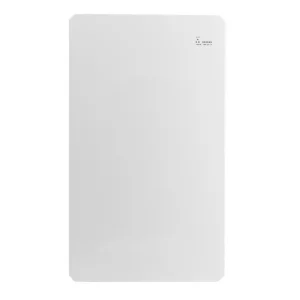
Direct B2B supply lines from state-of-the-art manufacturing facilities. Certified Tier-1 engineering performance for global infrastructure applications.
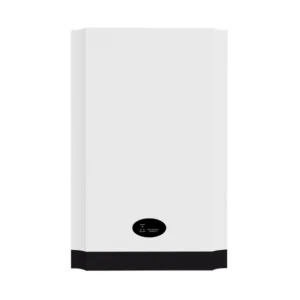
In the modern commercial landscape, energy reliability, carbon offset mandates, and shifting grid economics demand robust decentralized generation architectures. Solar panels coupled with Battery Energy Storage Systems (BESS) represent the core technologies driving this industrial transformation. For procurement teams, engineering partners, and utility project developers, sourcing these assets requires a thorough understanding of system compatibility, chemical longevity, and supply chain audit trails.
Globally, commercial and industrial (C&I) organizations are moving away from simple net-metered solar toward grid-interactive systems capable of peak shaving, load-shifting, and emergency ride-through operations. These complex operating models demand highly reliable hardware that can perform under severe thermal and electrical stress cycles. By pairing high-performance solar generation (including specialized thin-film Cadmium Telluride systems) with advanced LFP (Lithium Iron Phosphate) chemistries, companies can secure their operational resilience while systematically reducing their Levelized Cost of Energy (LCOE).
“Decentralized solar generation integrated with smart battery storage is no longer merely a corporate sustainability target. It is an operational necessity that directly impacts balance sheet health, regulatory compliance, and grid reliability.”
A technical assessment of advanced PV semiconductor configurations and lithium battery cell optimization protocols.
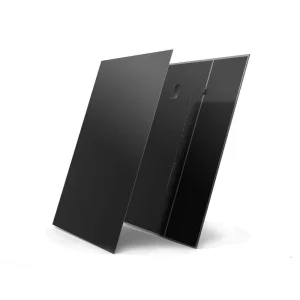
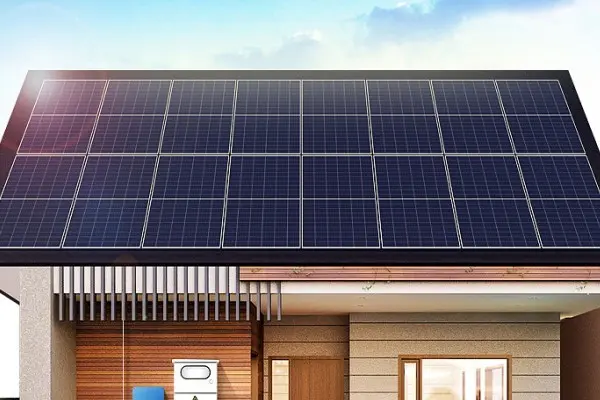
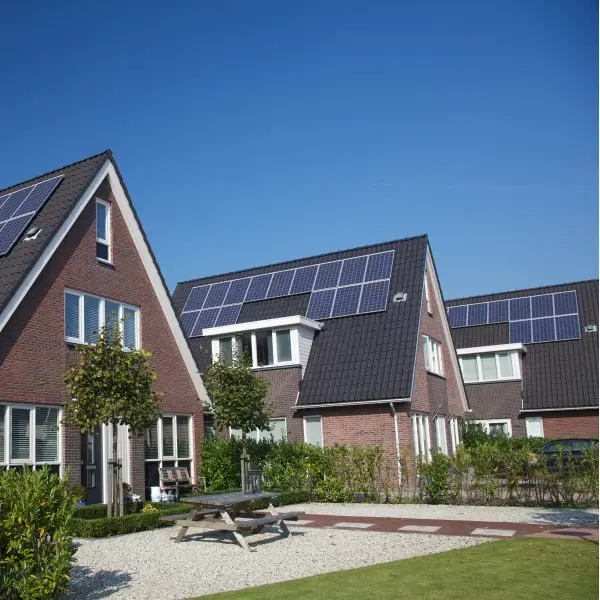
Cadmium Telluride (CdTe) PV modules deliver superior temperature coefficients (-0.21%/°C), enabling higher energy yields in hot climates. Designed for Building Integrated Photovoltaics (BIPV), CdTe cells feature a high absorption coefficient and optimal bandgap alignment, allowing architectures to double as power generators while maintaining structural integrity.
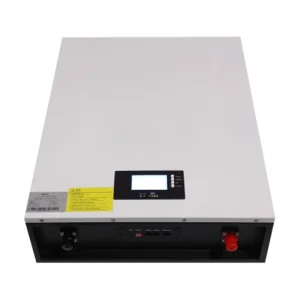
Lithium Iron Phosphate (LFP) chemistry remains the benchmark for utility and residential stationary storage. LFP’s inherent crystal structure prevents oxygen release under thermal stress, mitigating thermal runaway risks. Featuring over 6000 cycles at 80% Depth of Discharge (DOD), LFP offers structural security and a long operational lifespan.
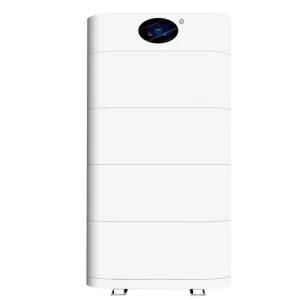
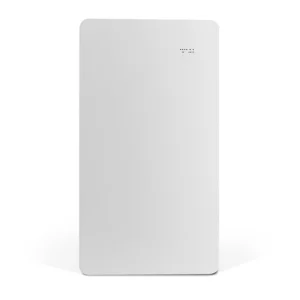
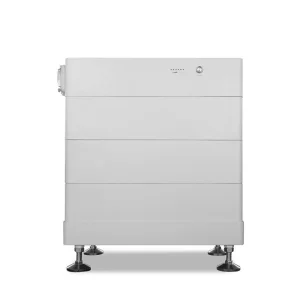
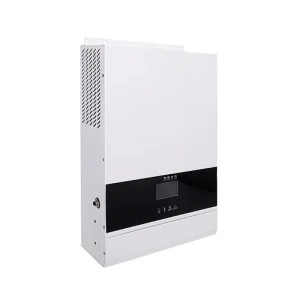
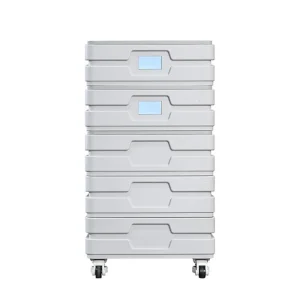
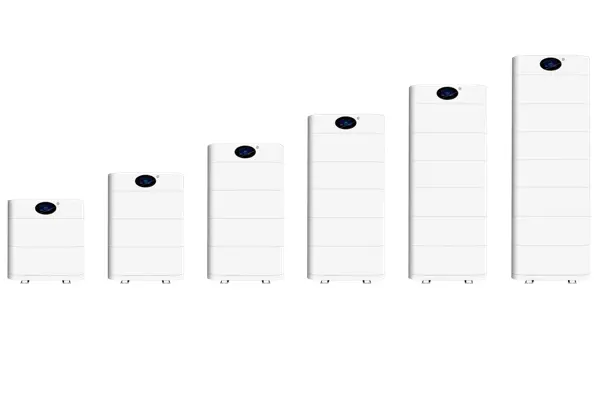
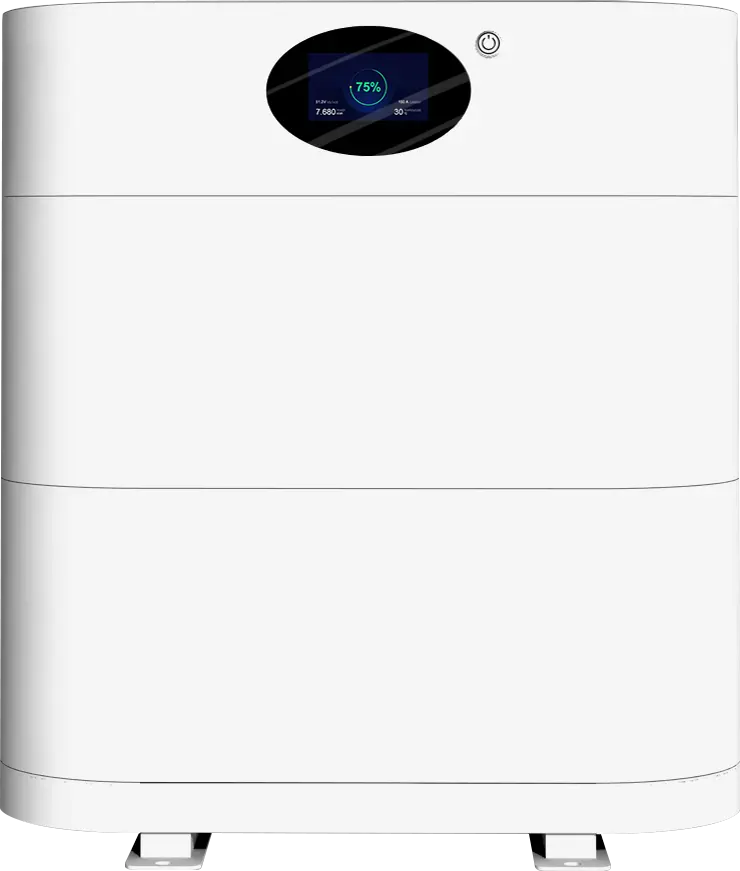
Transitioning from low-voltage (48V) to high-voltage (>400V) stacked battery configurations minimizes conversion losses and cabling costs. Modular high-voltage setups allow for seamless hot-swapping and flexible system expansion. This design is highly compatible with commercial multi-input hybrid inverters.
Understanding the technological divergence between traditional crystalline panels and thin-film semiconductors is key to optimizing installation yields. CdTe thin-film panels feature a simplified manufacturing process that reduces carbon payback times to under a year. Thanks to their linear response to low-light conditions, CdTe modules continue generating power during heavy cloud cover and high humidity—conditions where standard silicon panels show sharp drops in performance.
| Performance Metric | CdTe Thin-Film (Elemro BIPV Series) | Monocrystalline Silicon (Standard) |
|---|---|---|
| Temperature Coefficient (Pmax) | -0.21% / °C | -0.35% to -0.42% / °C |
| Low-Light Spectral Response | Excellent (High absorption in blue spectral range) | Moderate (Dependent on direct irradiance) |
| Shading Tolerance | High (Cell layouts restrict bypass losses) | Low (Prone to local hot-spotting) |
| Building Integration (BIPV) | Ideal (Custom transparency and colors) | Difficult (Weight and rigid structural constraints) |
| Cradle-to-Grave Carbon Footprint | Lowest among clean PV options | Moderate to High due to intensive wafer refinement |

Established in 2019, headquartered in Xiamen, China, Elemro Energy has specialized in new energy storage and electrical product solutions with rich industry experience. As a market leader unifying R&D, production, and sales, the company serves over 250 customers across Europe, Southeast Asia, Africa, the Middle East, and the Americas.
Elemro’s growth is driven by its focus on manufacturing excellence, rigorous QA protocols, and localized supply chain integration. The company's annual turnover is expected to exceed 50 million USD, demonstrating strong market adoption and financial stability. This scale enables consistent raw material sourcing, strict adherence to cell grading standards, and reliable long-term product warranties.
Engineered for high light transmittance and robust impact resistance. Essential for protecting solar modules under extreme weather conditions.
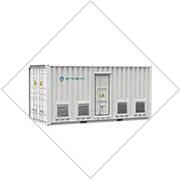
Megawatt-scale stationary storage systems engineered for grid stabilization, peak shaving, and C&I microgrids.
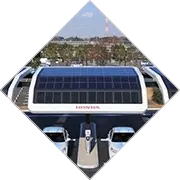
Combines architectural structural engineering with high-yield PV modules to optimize dual-use commercial parking spaces.
For inquiries about our products, custom production capacities, or customized project pricing, submit your details. Our application engineering team will reply within 24 hours.
Inquiry For PricelistAnalysis of energy trends, inverter topologies, and chemical storage architectures compiled by the ELEMRO engineering department.
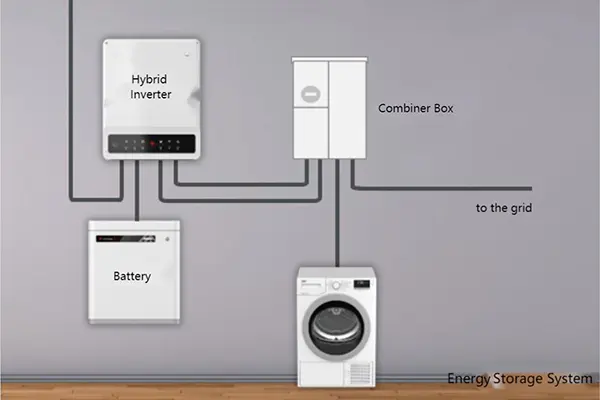
An engineering breakdown of grid-tied, off-grid, and hybrid inverter system topologies and their role in stabilizing residential power networks.
A transparent comparison of energy density, lifecycle limits, environmental footprints, and safety matrices across NMC and LFP chemistries.
Optimizing system capacities for peak shaving, uninterruptible backup, and utility-scale ancillary services.
ELEMRO showcases its latest high-voltage storage solutions and CdTe BIPV modules to the Southeast Asian market.
A guide to selecting the correct PV module class based on geographic wind loads, corrosion risks, and irradiance profiles.
Reviewing cell balancing technologies, safety relays, protocol integrations, and battery management systems (BMS).
Sourcing tier-1 clean energy equipment requires strict compliance verification. Elemro Energy maintains robust QC protocols throughout its production lines. Every battery cell undergoes rigorous testing—including capacity grading, internal resistance evaluation, and ultrasonic scanning—to prevent short circuits and dendrite formation.
Our battery packs and containerized storage systems meet key global standards, ensuring straightforward local permitting, grid connection, and insurance approval. Elemro's high-voltage and low-voltage systems carry certifications including UL 1973, UL 9540A (thermal runaway fire propagation safety), IEC 62619, CE, and UN38.3 for dangerous goods transport.
For BIPV projects using our CdTe thin-film products, the modules pass strict mechanical load tests (up to 5400 Pa wind and snow loads), meet Class A fire ratings, and comply with TÜV/IEC certification pathways. This technical compliance guarantees long-term operational safety and reliability under demanding environmental conditions.
Building global energy infrastructure requires reliable delivery schedules, customs clearance expertise, and local technical assistance. Elemro Energy provides end-to-end logistics solutions, managing dangerous goods handling for large battery shipments.





Clear, direct technical answers regarding safety, system design, life expectancy, and project planning.
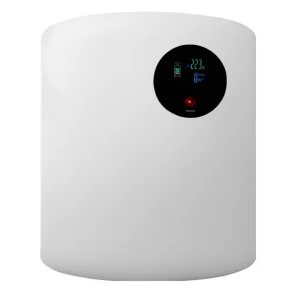
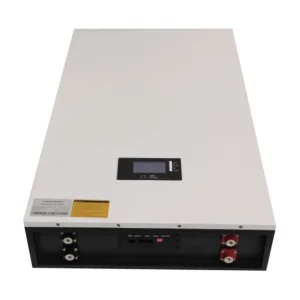
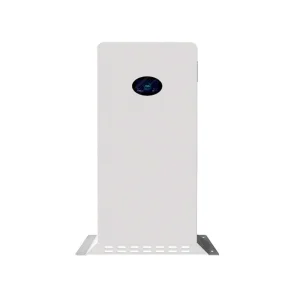
A selection of energy storage products and hybrid power modules optimized for international grid integration.
 Elemro Energy