Engineered for high performance, thermal safety, and optimized lifecycle costs
We provide cleaner energy for a greener world through vertically integrated production and expert R&D.

Established in 2019, headquartered in Xiamen, China, Elemro Energy has been specialized in new energy storage and electrical product solutions with rich experience. It is the market leader in the new energy industry that unifies R&D, production, and sales.
Our products have been sold to more than 250 customers in Europe, Southeast Asia, Africa, Mid-east, America, etc. Since its establishment, ELEMRO's revenue has been growing rapidly every year. ELEMRO's annual turnover is expected to exceed 50 millions USD in year 2023.
About UsThe global transition towards decarbonized grid topologies has placed solar energy storage systems (SESS) at the center of modern infrastructure planning. As utility-scale and commercial solar installations reach unprecedented density, the management of intermittent generation profile peaks is no longer optional. Navigating the selection of a Solar Energy Storage Cost Manufacturer requires an in-depth understanding of both Capital Expenditure (CapEx) and operational Levelized Cost of Storage (LCOS). This whitepaper unpacks the engineering methodologies, supply chain dynamics, and regulatory matrices that dictate global SESS costs and procurement protocols.
For B2B procurement decision-makers, evaluating a manufacturing partner goes beyond basic price-per-kilowatt-hour ($/kWh) metrics. True cost efficiency is determined by round-trip efficiency (RTE), depth of discharge (DoD) longevity, thermal management overhead, and end-of-life battery recycling residual values.
An industrial or residential solar storage solution comprises several key cost segments. While battery cells constitute the largest single component cost (typically 45% to 55%), the balance of system (BOS) components represent a significant portion of the capital investment.
| Component | % of Total System Cost | Key Cost Drivers | Mitigation Strategy |
|---|---|---|---|
| Battery Cells | 50% | Lithium carbonate pricing, cathode purity | Long-term tier-1 mineral contracts |
| BMS & Active Balancing | 8% | Semiconductor supply, microcontrollers | In-house software design, architecture integration |
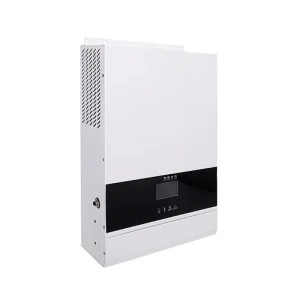
| PCS (Inverter) | 15% | Silicon carbide (SiC) vs IGBT tech | Highly integrated multi-port topologies |
| Thermal Management | 12% | Pumping design, liquid chiller complexity | Advanced computational fluid dynamics (CFD) |
| Structure & Enclosure | 15% | Steel/aluminum pricing, NEMA standards | Modular containerized structures (ISO certified) |
Technological advancement is the primary driver of cost reduction in the energy storage industry. Manufacturers are transitioning from low-voltage (48V) setups to high-voltage (HV) stacked systems for both residential and commercial deployments to minimize transmission line losses and simplify integration.
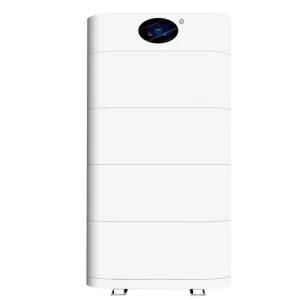
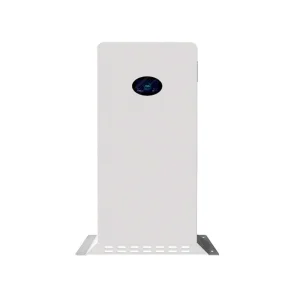
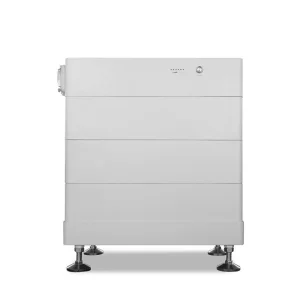
Stacked configurations, such as the High-voltage storage LiFePo4 battery with stackable design, operate at voltages up to 800V DC. By increasing the operating voltage, the system reduces current throughput, which allows for thinner copper cabling and minimizes heat generation. This configuration boosts system efficiency and lowers overall installation and maintenance costs.
Standardizing on large-format prismatic cells to reduce the quantity of cell connections, thereby reducing BMS complexity and mechanical failure risks.
Commercialization of semi-solid state batteries offering energy densities exceeding 280 Wh/kg, while eliminating liquid electrolyte safety concerns.
Cloud-integrated Energy Management Systems (EMS) utilizing machine learning models to forecast grid pricing and solar output, optimizing charging schedules for maximized ROI.
Different markets have distinct grid architectures and regulatory requirements, which directly influence solar storage application scenarios.
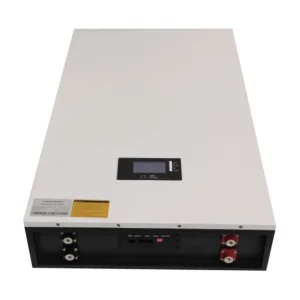
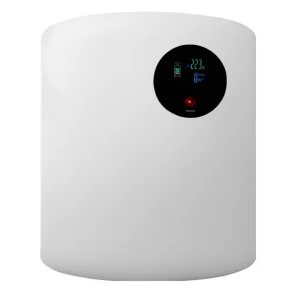
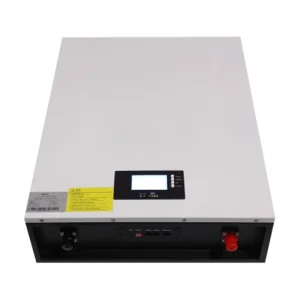
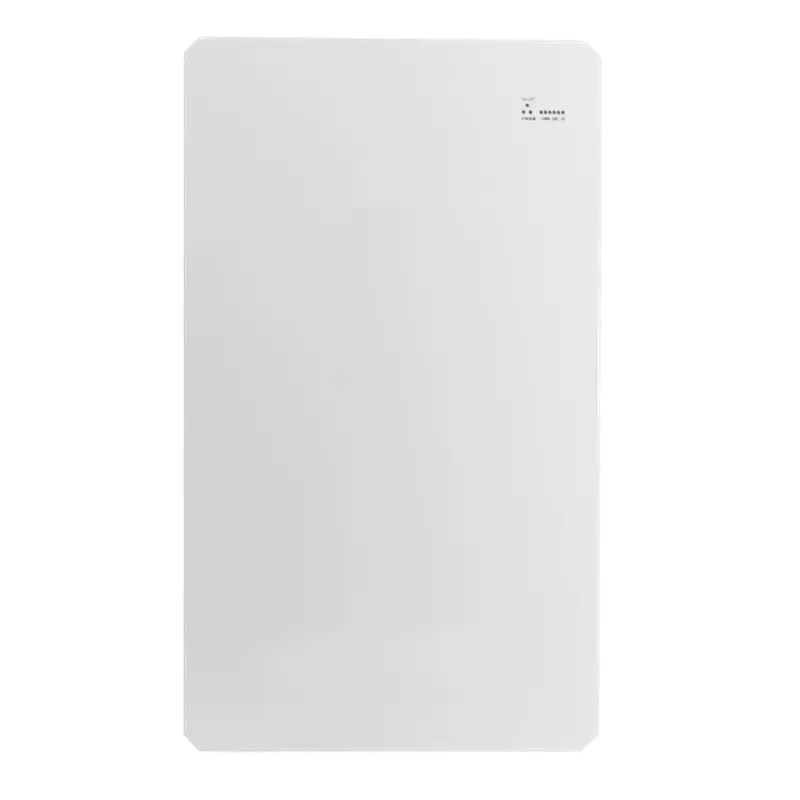
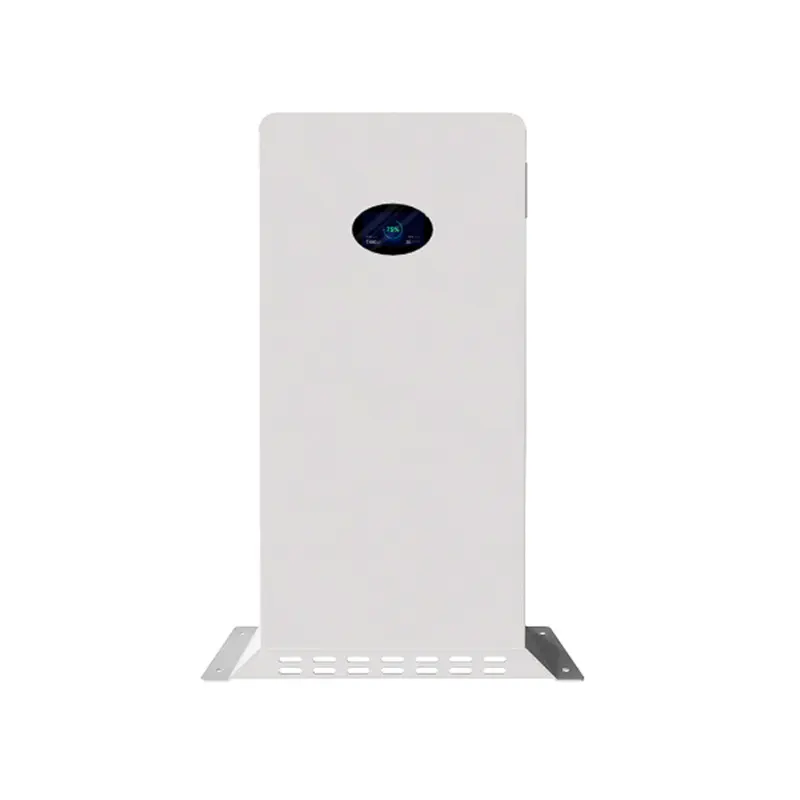
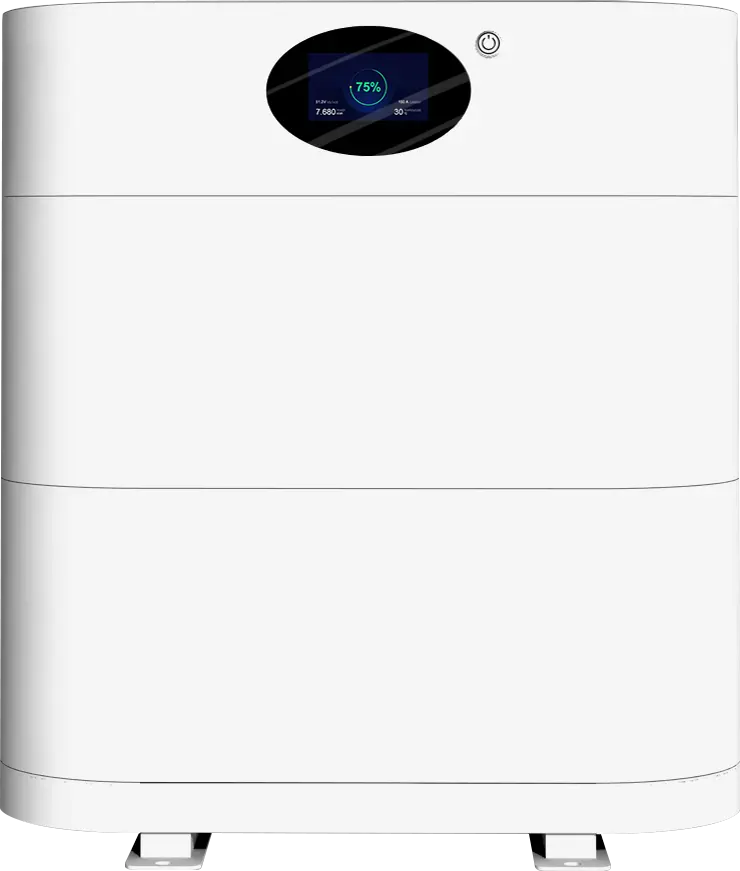
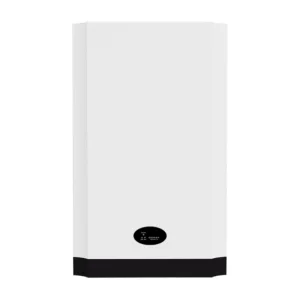
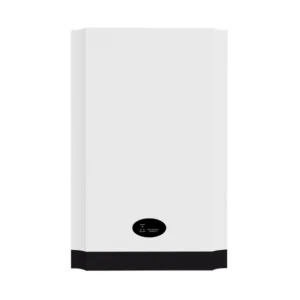
High retail power prices and feed-in tariff (FiT) phase-outs drive European demand. In regions like Germany and Italy, home battery storage systems like the Elemro WHLV 10kWh Lifepo4 Battery enable residential consumers to maximize self-consumption. Concurrently, commercial users leverage dynamic pricing tariffs by charging systems during off-peak hours and discharging during peak tariff windows.
In North America, grid instability caused by extreme weather conditions drives demand for backup power. Energy storage systems are increasingly integrated into Virtual Power Plants (VPPs), allowing local utilities to aggregate residential battery capacities to support the grid during periods of peak load.
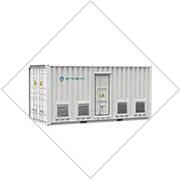
For regions with limited grid access, microgrids are critical for economic development. Modular energy storage containers combined with solar arrays provide clean, reliable electricity to remote communities and agricultural operations, bypassing the need for expensive grid expansion.
China's dominance in the global battery supply chain is built on vertical integration, concentrated manufacturing clusters, and automated production technologies.
Based in the high-tech hub of Xiamen, China, ELEMRO Energy leverages this ecosystem. By locating production near primary raw material refineries and tier-1 component suppliers, ELEMRO reduces transportation overhead and maintains strict quality control over incoming components.
Commercial and Industrial (C&I) enterprises are deploying energy storage systems to manage demand charges, which can account for up to 50% of a commercial electricity bill. By using peak-shaving techniques, C&I systems discharge stored power when energy usage spikes, keeping peak demand levels low.
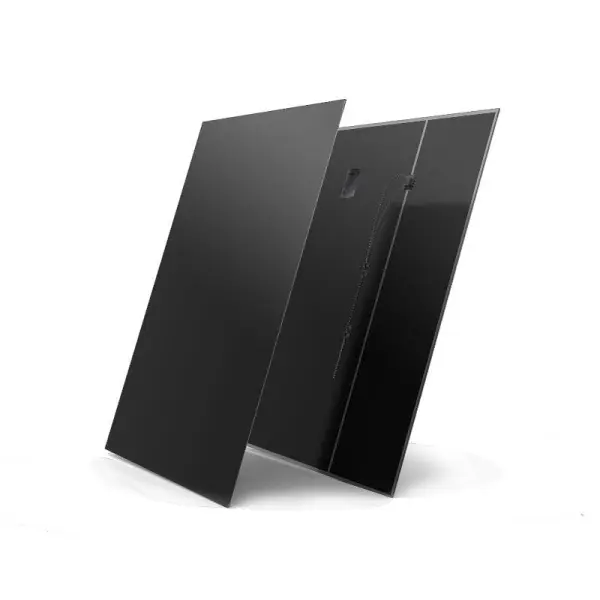
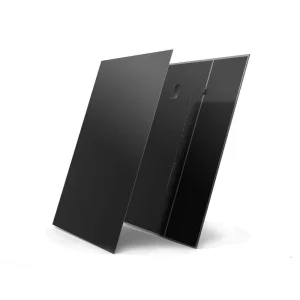
Additionally, integration of solar glass and CdTe thin-film panels (BIPV) into building envelopes allows modern offices to generate power directly from their facades, storing excess energy in centralized battery rooms to achieve net-zero building status.
Navigating global compliance is crucial for importing and installing energy storage equipment. Regulatory bodies enforce strict rules regarding transport safety, grid connection compatibility, and fire prevention.
Explore Elemro Energy's core hardware integrations designed for residential and light commercial projects
Answering key economic and technical questions for global energy procurement teams
Levelized Cost of Storage (LCOS) is determined by dividing the total lifecycle cost of the system (including CapEx, installation, charging energy costs, and maintenance) by the total cumulative energy delivered over the system's lifetime. Currently, Tier-1 Chinese manufacturers achieve an LCOS between $0.05 to $0.08 per kWh, depending on cell degradation curves, thermal profiles, and regional electricity prices.
System efficiency increases at higher operating voltages (typically between 300V and 800V DC). Higher voltages reduce current flow for a given power level, which reduces resistive thermal losses (I²R losses) in cables and components. This configuration allows for thinner copper wiring, reduces heat generation, simplifies electrical system layouts, and lowers overall installation costs.
Cadmium Telluride (CdTe) thin-film technology has a lower temperature coefficient than crystalline silicon, meaning its performance decreases less at high temperatures. CdTe modules also perform better under diffuse light conditions and shade. This makes them suitable for Building Integrated Photovoltaics (BIPV), where vertical installations often receive indirect sunlight.
Lithium battery aging increases at high temperatures, while internal resistance rises at low temperatures. A liquid cooling thermal management system maintains the average cell temperature within the optimal range (15°C to 35°C), reducing cell degradation rates and helping to prevent thermal runaway.
Insights on clean technology development, product engineering, and global energy markets
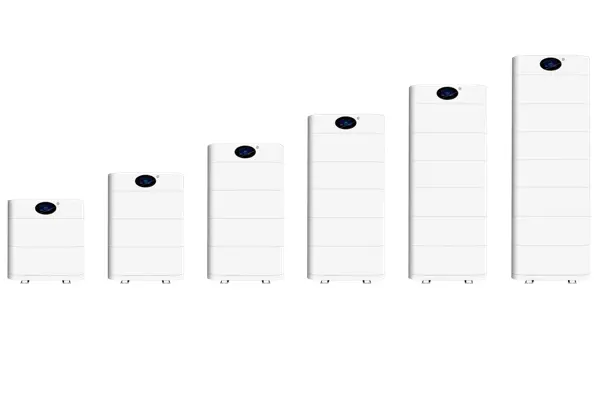
Jul 07, 2023
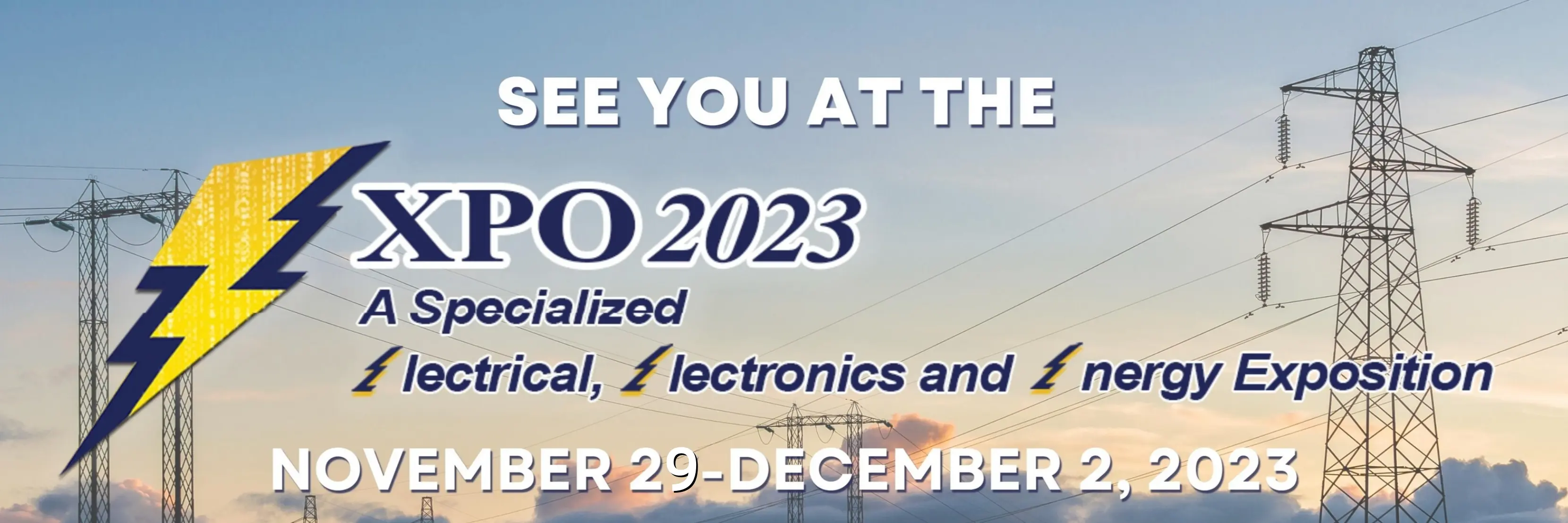
Nov 26, 2023
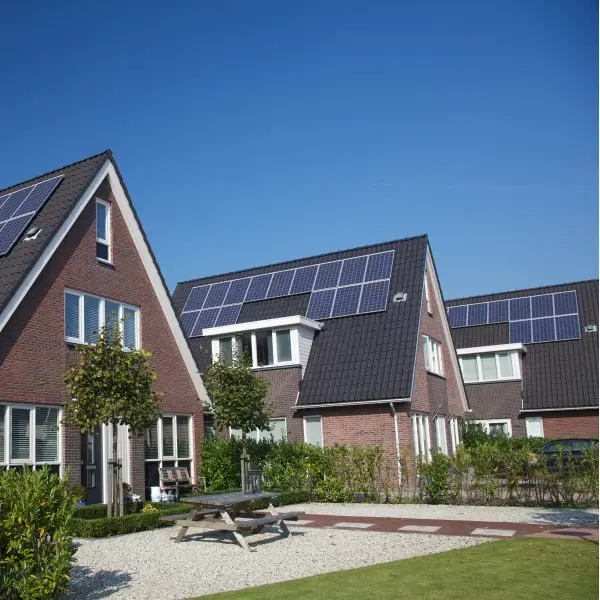
Nov 10, 2023
Explore our complete product catalog for residential and utility-scale energy storage projects
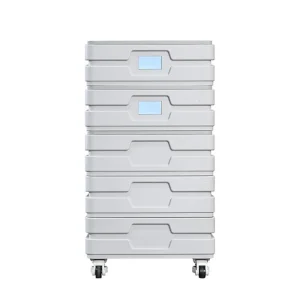
For inquiries about our products or pricelist, please leave your email and system requirements below, and our engineering team will contact you within 24 hours.
Inquiry For Pricelist





 Elemro Energy