Explore our industrial-grade and home storage systems optimized for high round-trip efficiency, safety, and long cycle life.
The global transition toward renewable energy is no longer just an environmental goal; it is a critical commercial necessity. Utility-scale and industrial solar battery storage solutions form the backbone of modern energy infrastructure. By shifting peak production loads to times of high grid stress, battery energy storage systems (BESS) stabilize distribution networks, minimize curtailment charges, and guarantee business continuity.
Across Europe and North America, regulatory mandates and grid-forming services dictate that industrial facilities integrate robust energy storage. High-energy energy density storage facilities mitigate grid imbalance penalties. Meanwhile, in developing economies across Southeast Asia and Africa, decentralized energy systems—powered by reliable LiFePO4 chemistry—allow remote industrial centers to bypass unreliable utility grids completely. For modern procurement managers, choosing a manufacturing partner that understands these regional dynamics is crucial to successful compliance and technical compatibility.
Modern utility-scale installations use batteries to provide microsecond frequency regulation, offsetting the intermittency of clean energy resources like wind and PV systems.
Commercial enterprises leverage high-voltage storage solutions to lower maximum peak demand metrics from utility companies, directly cutting operating expenses.
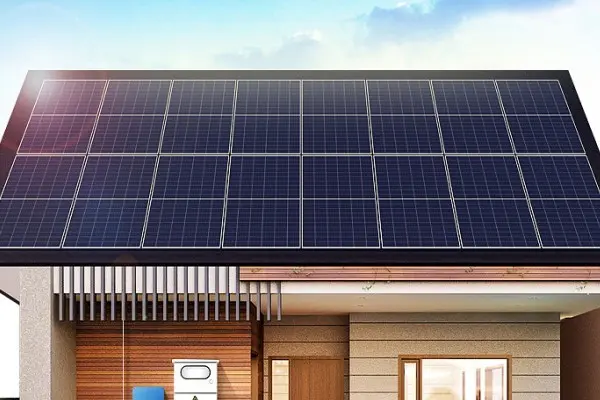
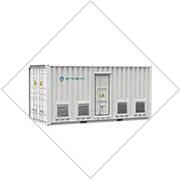
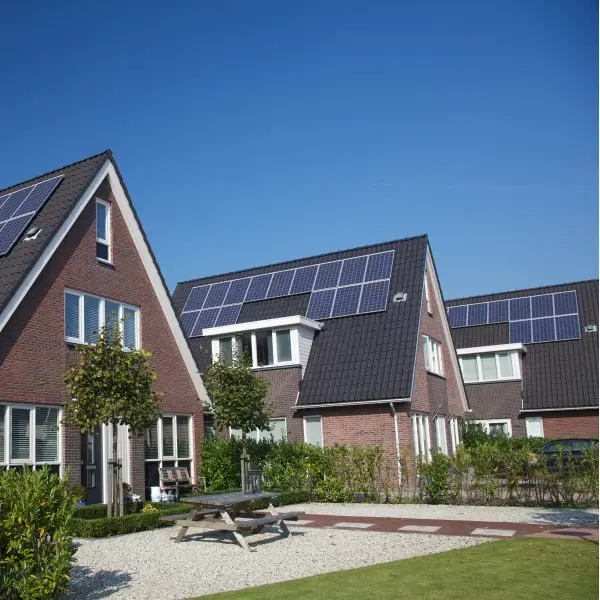
By pairing photovoltaic modules with specialized energy storage containers, remote communities establish 100% clean localized power infrastructure.
Why do leading global integrators source from Chinese energy storage manufacturers? The answer lies in supply chain integration, technological efficiency, and massive cost scaling. Factories situated in key energy hubs like Xiamen, Fujian, enjoy proximity to the entire lithium battery value chain—from mineral refining and cathode/anode preparation to automated Cell-to-Pack (CTP) assembly.
Furthermore, Chinese manufacturers are leaders in digital twinning. Factories use AI-driven quality inspection systems to trace every cell's history, monitoring internal resistance and electrochemical properties from the line to the customer's warehouse. This transparency is the cornerstone of the E-E-A-T principle in modern hardware sourcing.
Annual Expected Turnover
Global Partners Sourced
Typical Battery Cycle Life
BMS Smart Inspected
Depending on the localized use case, energy storage solutions vary wildly in design and functionality. ELEMRO Energy addresses these requirements through distinct product topologies:
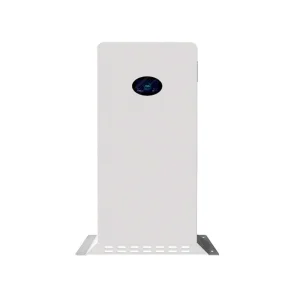
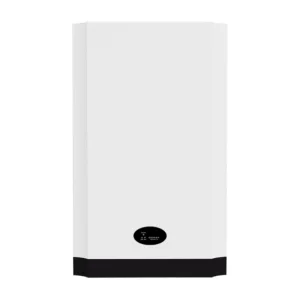
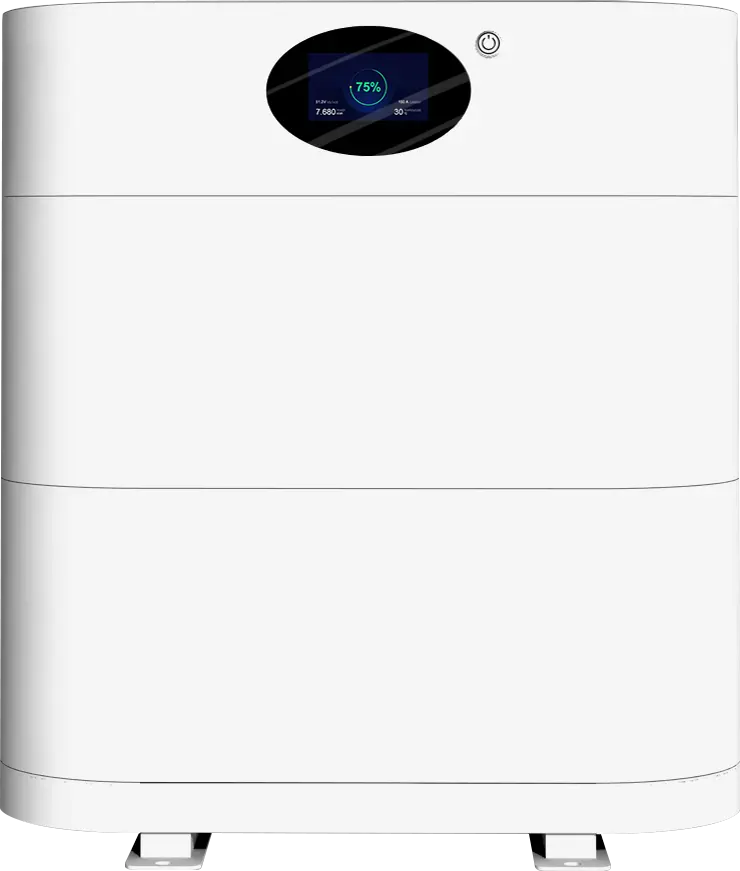
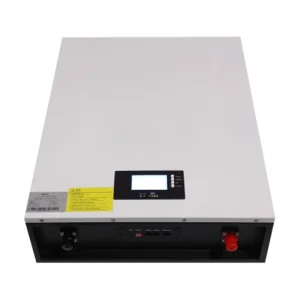
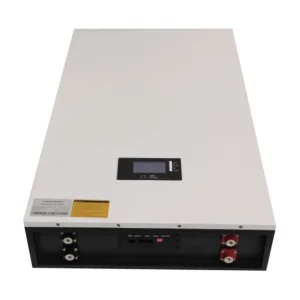
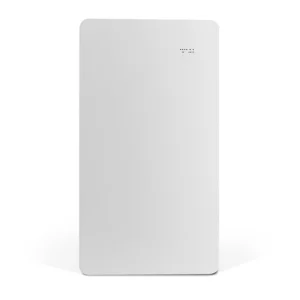
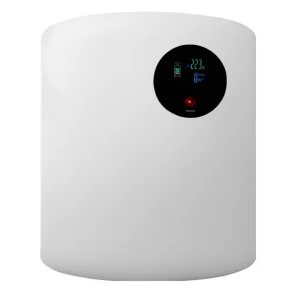
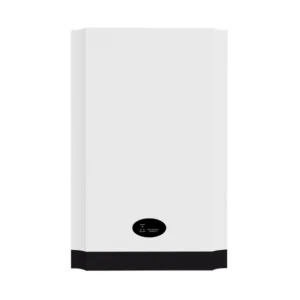
For home usage, safety, design aesthetics, and user interaction are paramount. Homeowners benefit from systems like the Elemro WHLV 10kWh LiFePO4 Battery or the wall-mounted space-saving batteries. These models offer direct plug-and-play capability with major hybrid inverter protocols, and built-in LCD status displays, maintaining reliable backup power during blackouts.
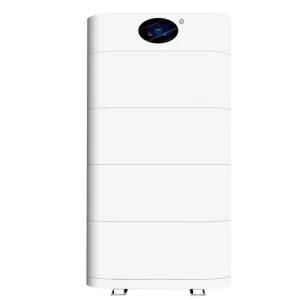
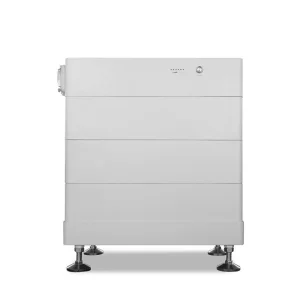
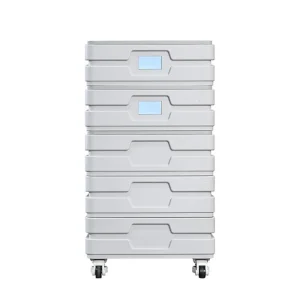
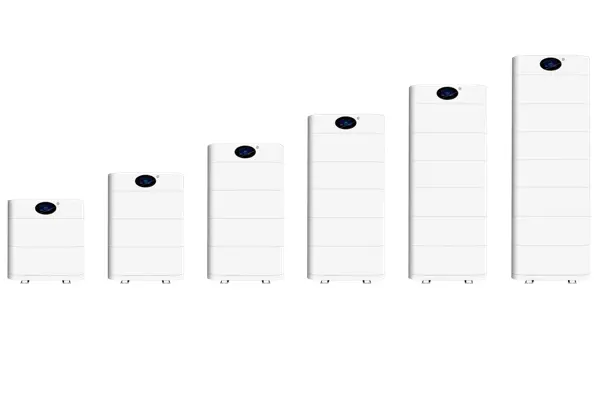
High-voltage battery setups (stacked LiFePO4 batteries) provide the scale needed by hotels, production lines, and agricultural farms. By elevating system voltage, these configurations minimize system loss and cable sizes, resulting in greater round-trip efficiency (often exceeding 95%).
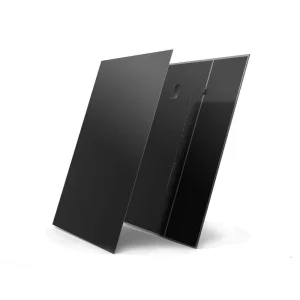
In dense urban centers, rooftops are insufficient. Next-generation building structures embed CdTe (Cadmium Telluride) Thin Film Solar Cells directly into windows and facades, generating power on vertical structures. These BIPV installations connect directly to localized battery containers, ensuring that buildings act as self-sustaining net-zero energy systems.


When sourcing solar battery solutions from overseas factories, procurement managers must evaluate several technical criteria to ensure long-term ROI and risk mitigation. Here is the structural evaluation checklist:
Established in 2019 and headquartered in Xiamen, China, Elemro Energy specializes in state-of-the-art energy storage systems and electrical product solutions. As an integrated leader in R&D, manufacturing, and distribution, we have delivered secure, long-lasting storage solutions to over 250 commercial, industrial, and residential clients across Europe, Southeast Asia, Africa, the Middle East, and the Americas.
With clean tech innovation at our core, our annual turnover reached USD 50 million in 2023. We continue to invest in automated packaging lines and robust thermal runaway prevention technologies to power a greener future.
Connect with Our Engineers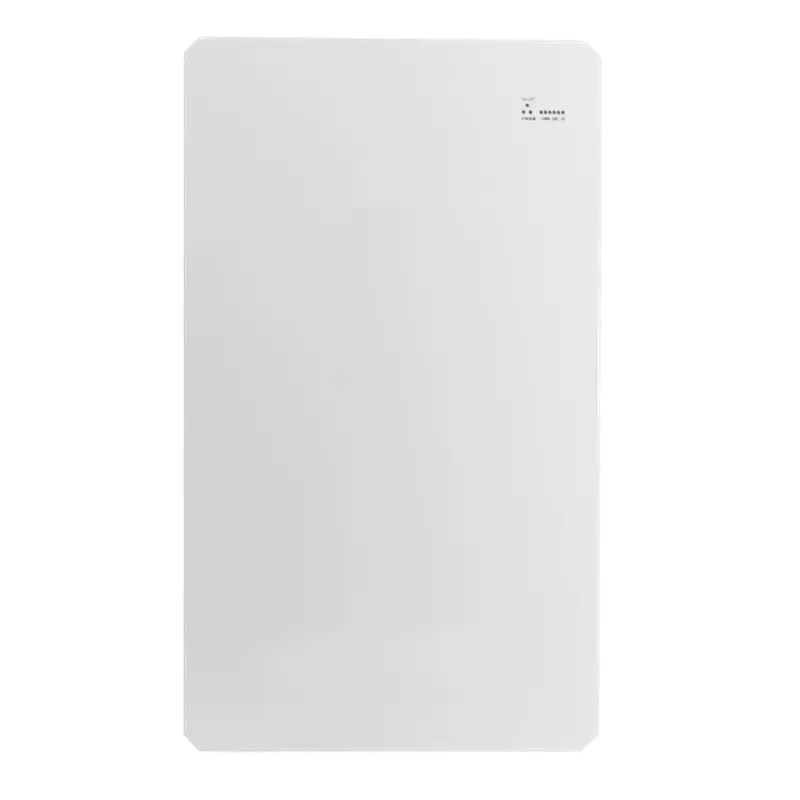
Expert insights, engineering interpretations, and industry reports from our R&D division.
Critical engineering answers regarding chemistry, safety protocols, and manufacturing processes.
LiFePO4 (Lithium Iron Phosphate) offers exceptional thermal stability and a long operational lifespan (often exceeding 6,000 deep discharge cycles at 80% DOD), whereas NMC chemistries are more susceptible to thermal runaway at lower heat thresholds. This makes LiFePO4 the global safety benchmark for stationary ESS applications.
A smart Battery Management System monitors parameters like voltage, temperature, and current for each individual cell, preventing overcharging, over-discharging, and cell imbalance. Active balancing redistributes energy among cell elements to extend the life of the entire module.
Our high-voltage configurations feature an average round-trip efficiency of 95% to 97%. Operating at higher DC voltages minimizes resistive losses (I²R losses) during energy conversion, leading to lower operating costs.
Yes. Our engineering division pre-programs and tests all BMS devices to ensure compatibility with major global inverter brands like Deye, GoodWe, Growatt, Victron, and SMA, using CAN and RS485 communication interfaces.
All production lines follow ISO 9001 and ISO 14001 guidelines. Our battery storage solutions hold standard certifications such as UL 1973, IEC 62619, CE, UN 38.3, and MSDS, ensuring compliance during customs clearances and commercial project audits.
Integrate our certified solutions to build resilient solar grids and optimized commercial networks.





 Elemro Energy