Explore our premium grade high-voltage stacked systems, smart wall-mounted storage solutions, and robust backup battery products designed for modern smart grids.
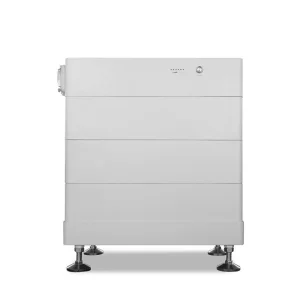
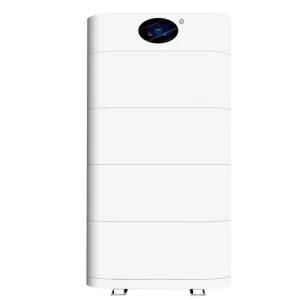
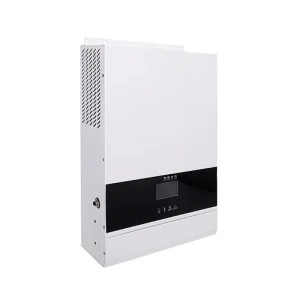
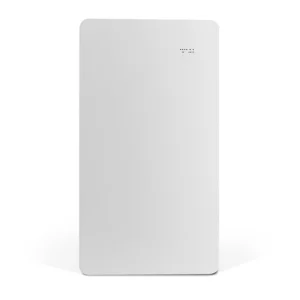
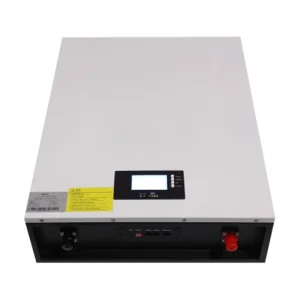
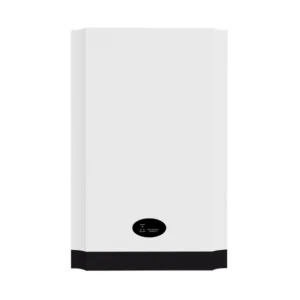
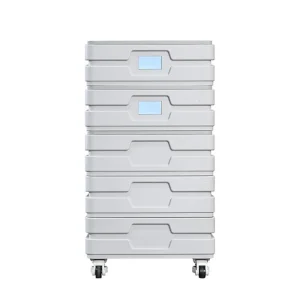
Established in 2019 and headquartered in the high-tech hub of Xiamen, China, Elemro Energy has emerged as an authoritative leader in the new energy storage industry. Our model seamlessly unifies cutting-edge R&D, high-precision automated production, and client-centric global sales. Our footprints span over 250 strategic partners across Europe, Southeast Asia, Africa, the Middle East, and the Americas.
By leveraging proprietary BMS algorithms, strict cell-matching criteria, and premium quality Control, Elemro Energy's annual turnover is expected to exceed 50 million USD in year 2023. Our commitment extends past shipping hardware; we design long-term, grid-tied reliability for millions of households.
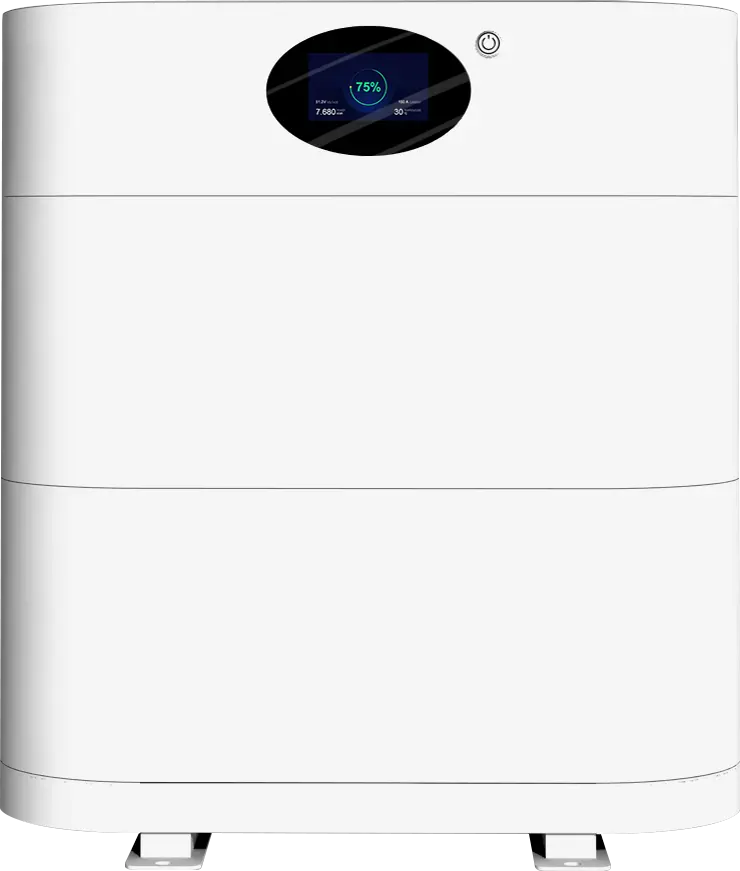
Residential battery storage has evolved from a luxury backup option to a primary smart grid node. To support this paradigm shift, Elemro manufactures energy infrastructure that bridges high-voltage scalability with intuitive local control interfaces.
In today's highly dynamic energy storage market, B2B purchasing departments face rising complexities. Sourcing managers are no longer evaluating systems based purely on $/kWh. Modern procurement paradigms demand high E-E-A-T criteria from manufacturer factories, including traceability of Grade A lithium iron phosphate (LiFePO4) cell chemistry, functional safety guarantees under UL1973 and IEC62619, and local grid compliance configurations (such as EN50549 for European regions).
The standard residential client requests modular scalability. System operators and distributors require products with rapid assembly steps, dual-protocol CAN/RS485 communications compatible with major global inverter brands, and integrated fire suppression solutions (such as aerosol extinguishers inside the enclosure) to conform to evolving fire safety codes.
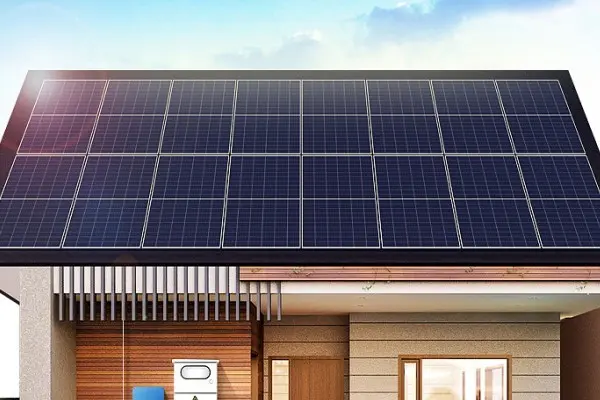
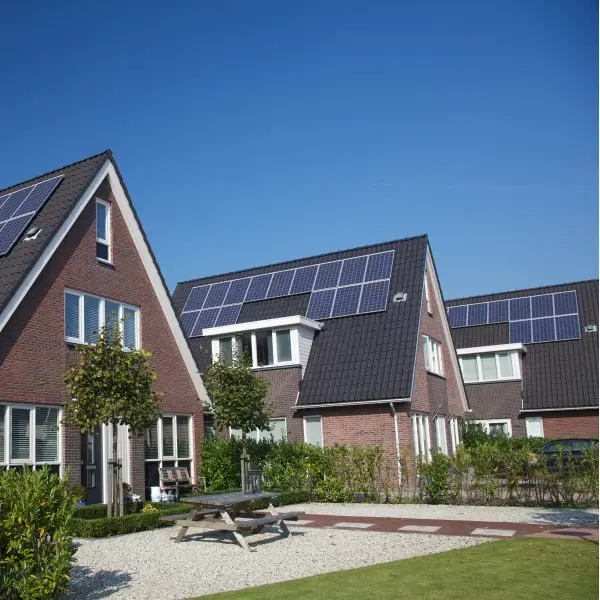
As microgrids become standard across smart cities, energy generation must be integrated seamlessly into structural architecture. Elemro Energy provides a holistic, macro-level product matrix designed to convert entire residential spaces into clean-energy generator units:
Why has Lithium Iron Phosphate (LiFePO4) become the gold standard for home use? Unlike Nickel Manganese Cobalt (NMC) chemistries, LFP exhibits superior thermal runaway limits (+60°C compared to NMC's +150°C to +200°C), eliminating the danger of catastrophic oxygen release. LFP's chemical structure permits exceptional cycle lifetimes, frequently exceeding 6000 cycles at 80% Depth of Discharge (DOD). Elemro WHLV series batteries integrate smart Battery Management Systems (BMS) with passive and active balancing to optimize cellular state-of-charge consistency, preventing premature voltage dropouts.
System designers typically select between two main configurations:
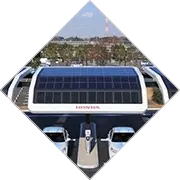
Integrated ecosystems combining solar generation, micro-grid containment, and automotive solar integration.
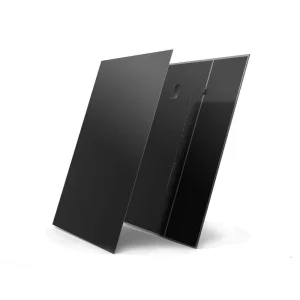
Modern BIPV (Building Integrated Photovoltaic) structural glass panels optimized for visual transparency and maximum clean energy output.
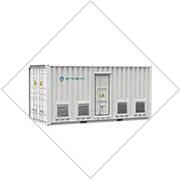
Industrial-strength container units housing high-capacity lithium banks, thermal liquid cooling, and autonomous fire protection.
Residential and commercial steel carport structures hosting high-efficiency mono panels designed to feed directly into EV fast chargers.
To maintain an industry-leading position, Elemro Energy’s product development roadmap focuses heavily on integrated intelligence. By combining AI-driven forecasting engines with hardware platforms, our next-generation battery modules can predict household energy consumption behaviors. These units dynamically interface with meteorological databases to charge during high solar generation phases and discharge during peak local utility rate bands.
Furthermore, our factories are actively standardizing Sodium-ion cell production technologies for extreme cold weather installations. While offering slightly lower energy densities than LiFePO4, sodium-ion maintains consistent operational discharge dynamics down to -40°C, providing key alternatives for markets in Northern Europe and North America.
Entering complex regional markets requires full legal and electrical grid compliance. Elemro guarantees compliance with local requirements through extensive certification pathways:
Stay up to date with deep technical evaluations, market trends, and deployment strategies directly from our engineering team.
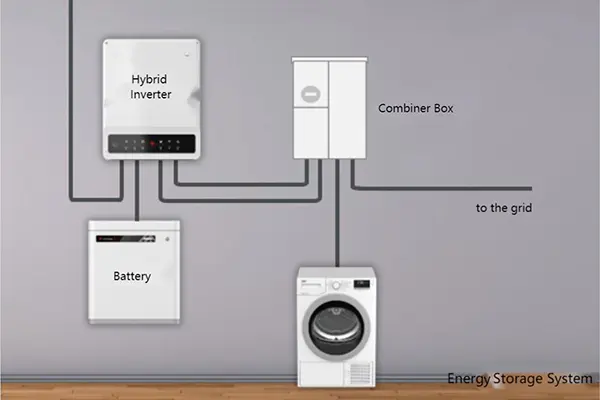
Uncovering the topology differences between hybrid, off-grid, and microinverters in dynamic residential solar setups.
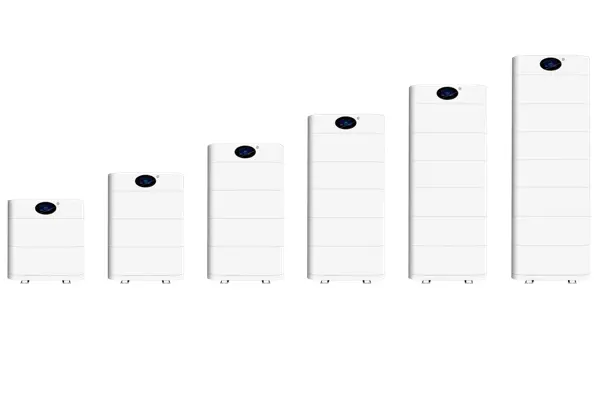
An objective analysis of cycle lives, chemistry vulnerabilities, and economic lifespans of modern lithium configurations.
Scaling battery technologies from residential multi-kWh units up to complex commercial megawatt peak-shaving nodes.
Showcasing our newest residential energy storage product lineup to the fast-growing Southeast Asian microgrid market.
Optimizing module integration with advanced energy storage units under shading constraints and low-irradiance conditions.
Evaluating critical safety components, cellular balancing schemes, and multi-protocol communication setups.
Get in touch with Elemro Energy's application engineering team. Receive detailed brochures, complete product datasheets, and project quotations within 24 hours.
Get answers to common technical, manufacturing, and sourcing questions about residential solar battery solutions.
High-voltage systems (operating at 100V–500V DC) are designed for higher efficiency, as they reduce line currents and lower thermal losses. They are ideal for high-load households and integrate well with hybrid inverters. Low-voltage systems (typically 48V) are modular and simple to configure, but require thicker cabling to manage high current without overheating.
LiFePO4 (Lithium Iron Phosphate) offers exceptional thermal stability and has a thermal runaway temperature above 60°C. Additionally, it does not release oxygen during high-temperature anomalies. It also provides a longer cycle life, typically exceeding 6,000 cycles at 80% DOD, compared to 1,500–2,000 cycles for NMC chemistry.
Standard production cycles range from 30 to 45 days, depending on custom requirements. The process includes cell sorting, BMS firmware mapping, structural safety validation, and automated quality testing. Large projects, such as customized commercial energy containers, require up to 60 days to integrate fire protection and liquid cooling loops.
The built-in Battery Management System (BMS) monitors cell voltage, charge/discharge rates, and temperatures. It prevents overcharging and deep discharging while balancing the voltage across cells. Additionally, it supports protocols like CAN and RS485, enabling integration with grid-tied hybrid inverters to follow local energy regulations.
Further expand your capabilities with Elemro Energy's varied energy portfolios, offering custom design features for regional setups.





 Elemro Energy