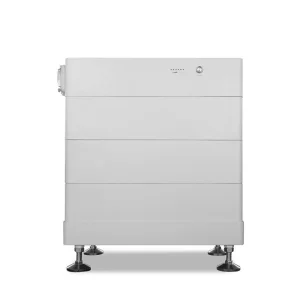
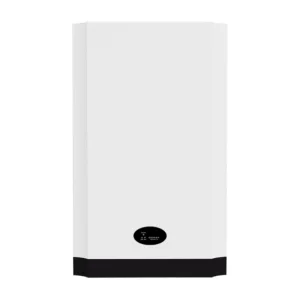
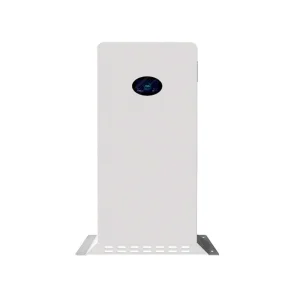
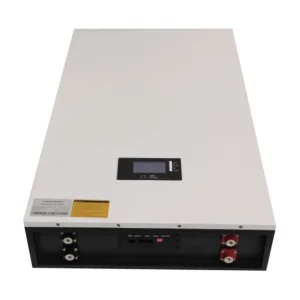
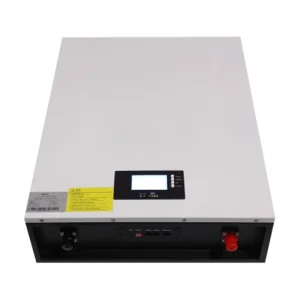
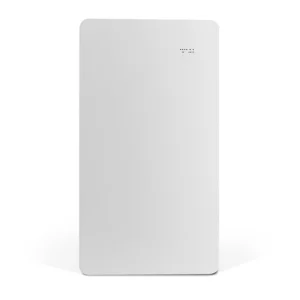
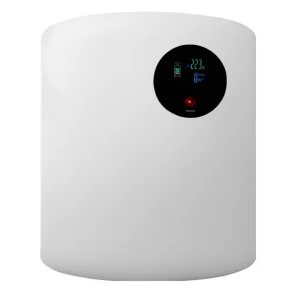
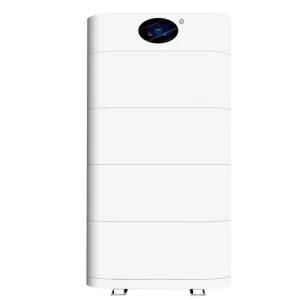
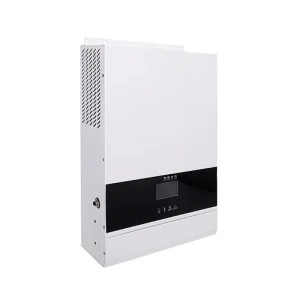
Engineered for maximum reliability, high cycling lifespan, and safety compliance.
As the international transition toward carbon neutrality accelerates, energy volatility and grid instability have become focal pain points for global enterprises. Relying on centralized electrical infrastructure carries severe operational risks. Consequently, deploying modern solar backup power infrastructure has shifted from an environmental corporate initiative to a critical risk-management necessity.
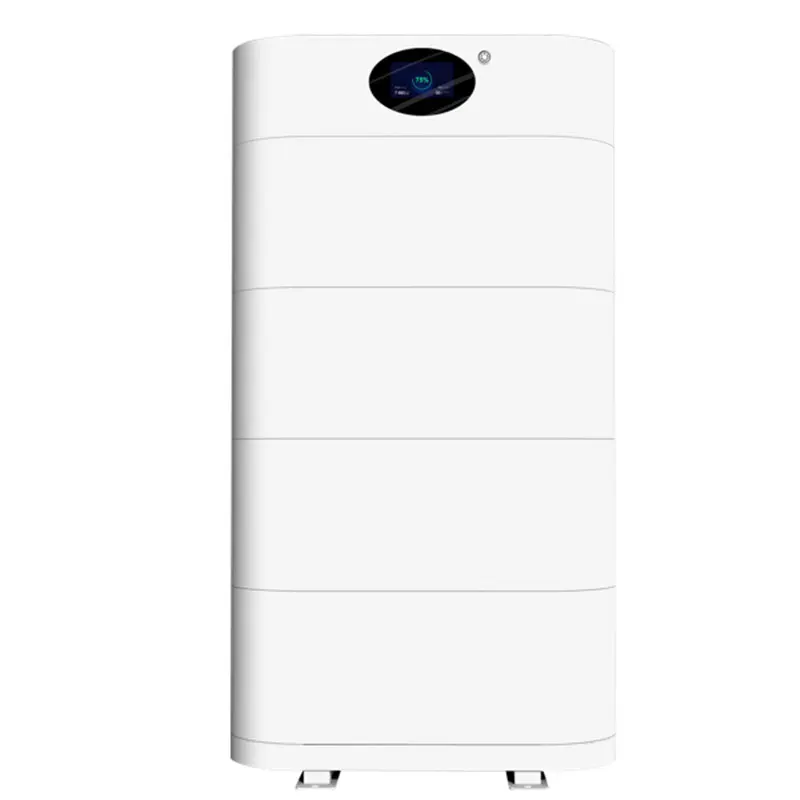
For high-voltage stacked systems, smart commercial and industrial (C&I) properties require configurations that mitigate power degradation while offering dynamic load-balancing interfaces. Standard solutions no longer satisfy the strict spatial, acoustic, and thermal requirements of urban infrastructures. Thus, factory customization (OEM/ODM) at the assembly level has emerged as the standard workflow for multi-regional rollouts.
A global leader in high-performance electrical design, solar panels, and energy storage integration.
Established in 2019 and headquartered in the high-tech industrial hub of Xiamen, China, ELEMRO Energy has positioned itself as an industry leader in new energy storage integration. By unifying design, research and development, smart manufacturing, and dynamic sales pipelines, ELEMRO offers optimized hardware packages to international markets.
ELEMRO's global sales footprint spans more than 250 industrial customers across Europe, Southeast Asia, Africa, the Middle East, and the Americas. By coupling high-voltage assembly lines with precise cell-matching algorithms, ELEMRO delivers consistent quality across all product lines. Driven by the rapidly increasing global demand for decentralized energy networks, ELEMRO's annual turnover is expected to exceed 50 million USD in 2023.
Founded
Turnover (2023E)
Global Customers
Continents Served
High-efficiency BIPV materials, containerized batteries, and smart transport infrastructure.

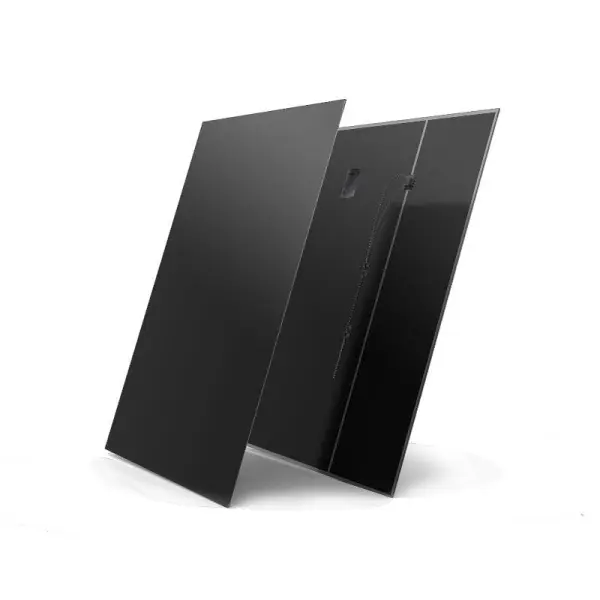
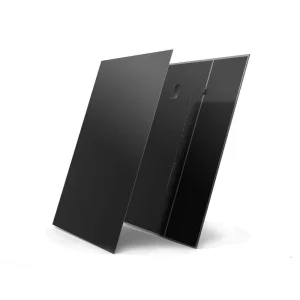
High-transparency Building Integrated Photovoltaic (BIPV) solutions engineered with Cadmium Telluride (CdTe) thin-film cells to optimize clean power generation on architectural envelopes.
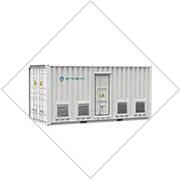
Megawatt-scale battery containers (ESS) designed for utility grids, microgrid backup, peak-shaving applications, and integrated liquid cooling platforms.
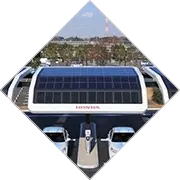
Fully structural off-grid and grid-tied solar carports designed to generate green electricity while charging corporate electric vehicle (EV) fleets.
Evaluating performance factors across typical solar backup architectures.
| System Type | Nominal Voltage Range | Cell Technology | Typical Cycle Life | Ideal Application Scenario |
|---|---|---|---|---|
| High Voltage Stacked | 200V - 800V DC | LiFePO4 (LFP) Stackable | > 6,000 Cycles @ 80% DoD | Commercial, fast dynamic backup loads |
| Low Voltage Residential | 48V - 51.2V DC | LiFePO4 (LFP) Wall-mount / Rack | > 5,000 Cycles @ 80% DoD | Residential off-grid, standard solar backup |
| Thin-Film BIPV | Depends on layout | CdTe (Cadmium Telluride) | 25-Year Performance Warranty | Architectural glass integration, low-light generation |
| MW Containerized ESS | Up to 1500V DC | Liquid-Cooled LFP Pack | > 8,000 Cycles @ 80% DoD | Grid scale peak-shaving, large microgrids |
The industry's technical development is moving away from basic, passive battery assemblies. Key shifts include:
Additional premium selections, certified for global deployment and system integration.
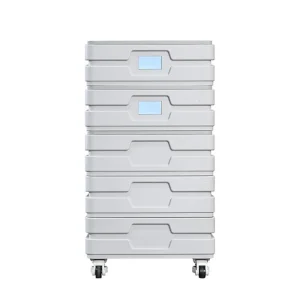
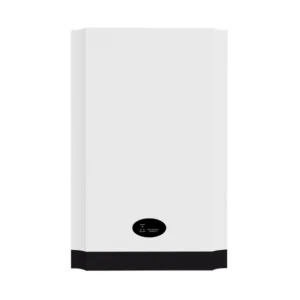
Whitepapers, technology interpretations, and international event announcements.
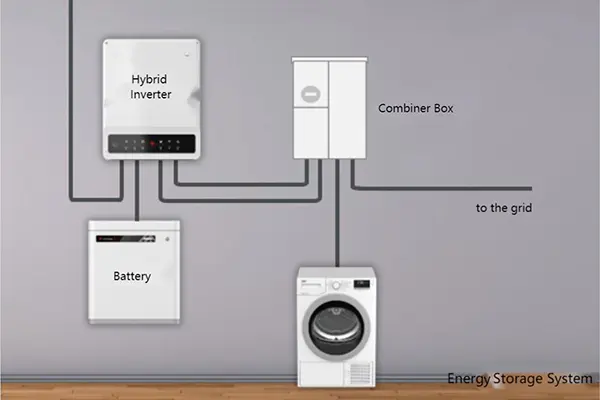
An engineering review of hybrid topology configurations, grid synchronization, and automatic transfer switch limits.
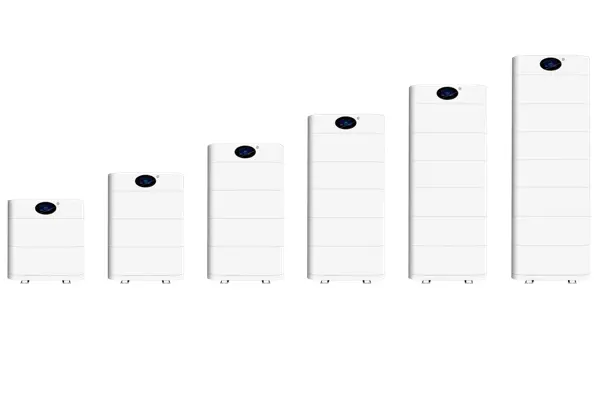
Evaluating cycle degradation curves, thermal safety parameters, and life-cycle costs of LFP compared to ternary NMC systems.
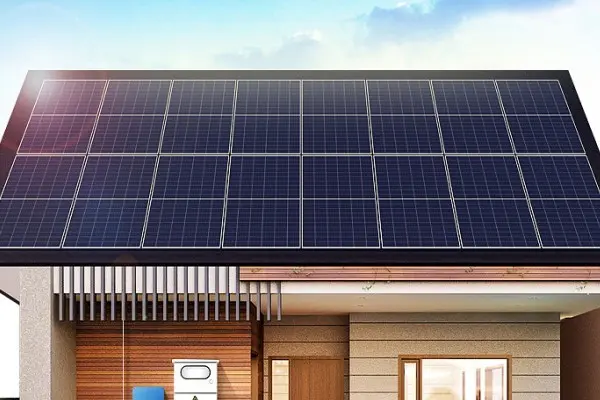
How scale determines cell selection, balancing strategies, and installation constraints in C&I deployment scenarios.
Nov 26, 2023
ELEMRO showcased off-grid stacked high-voltage battery banks and smart local inverters designed for tropical island environments.
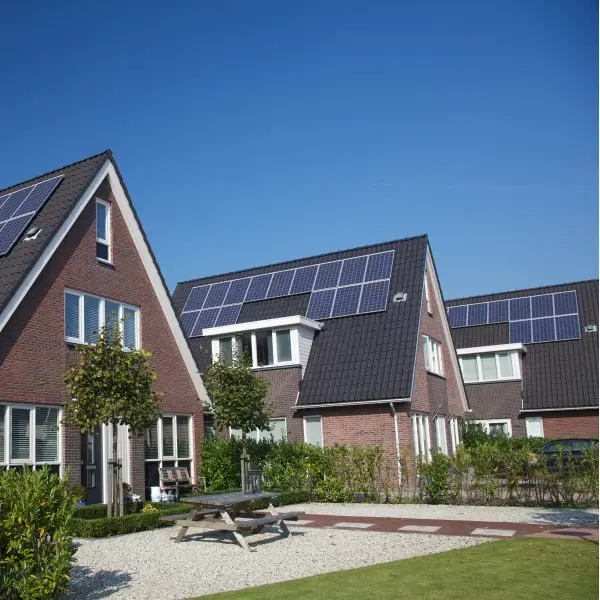
Nov 10, 2023
Understanding the design trade-offs between bifacial monocrystalline silicon arrays and CdTe thin-film BIPV materials.
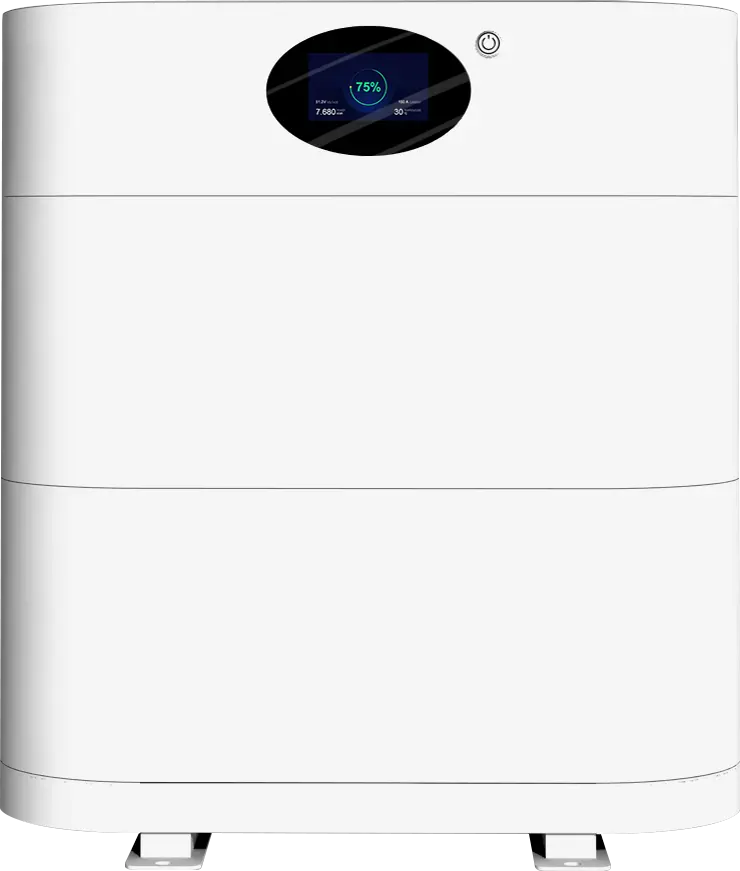
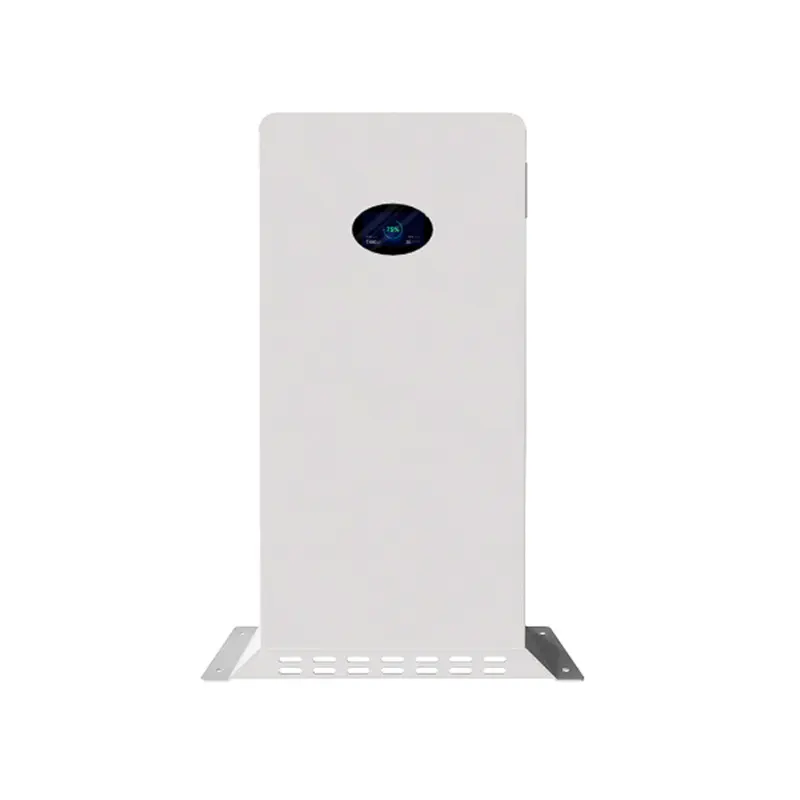
Analysis of safety factors, modular expanding design, dynamic SoC display, and interface protocol parameters.
Certified products compliant with global safety standards for simplified importation and grid integration.





ELEMRO maintains strict manufacturing standards across all production lines. Each batch of Lithium Iron Phosphate (LiFePO4) cell packages undergoes intensive cycle aging tests, thermal load simulations, and charge-discharge calibration procedures. Our production plants adhere to internationally recognized regulatory frameworks, meeting the safety requirements of major global energy grids:
Addressing key engineering and deployment questions from commercial procurement specialists.
A: High-voltage stacked systems (ranging from 200V to 800V DC) substantially reduce line currents relative to low-voltage (48V) systems when delivering equivalent power output. By operating at higher voltages, the system reduces copper wire sizing requirements and thermal energy dissipation (I²R losses) during high draw states. This enables higher round-trip conversion efficiency (typically 3-5% higher system-wide), simplifies scaling through additional modular block stacks, and reduces installer labor costs.
A: While crystalline silicon (c-Si) offers higher raw peak efficiency in direct sunlight, Cadmium Telluride (CdTe) thin-film technology has a lower temperature coefficient (-0.2%/°C versus -0.4%/°C for c-Si). This means CdTe modules experience less power degradation in hot climates. Furthermore, CdTe panels absorb a wider spectrum of weak light, allowing them to continue generating power under overcast conditions, high humidity, or structural tilt profiles that are not optimal for standard silicon panels.
A: ELEMRO uses advanced Battery Management Systems (BMS) with active balancing protocols that monitor individual cell voltages to prevent cell-to-cell variance and degradation. For extreme climates, the battery enclosures feature integrated thermal insulation, and larger systems utilize liquid cooling loops or active heating jackets to keep operating temperatures within the optimal range of 15°C to 35°C, ensuring a cycle life of over 6,000 charges at 80% Depth of Discharge (DoD).
A: For Europe, CE marking and compliance with IEC 62619 and EN 50549 (for grid connection) are required. For North America, certification to UL 1973 (for battery packs), UL 9540 (for integrated energy storage systems), and UL 9540A (thermal runaway fire testing) is crucial. Safe shipping also requires UN 38.3 test report verification and standard Material Safety Data Sheets (MSDS).
Provide your project details, capacity needs, and delivery destination. Our engineering division will compile a technical configuration proposal and competitive commercial quote within 24 hours.
 Elemro Energy