Engineered for high efficiency, scalability, and unmatched cycle life in residential and commercial configurations.
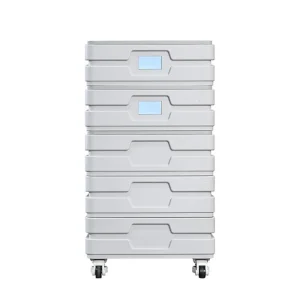
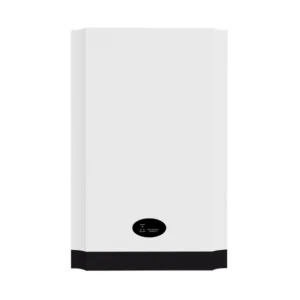
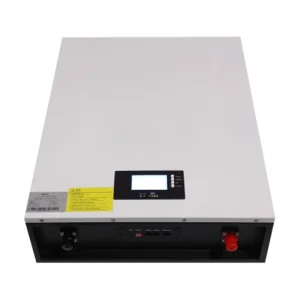
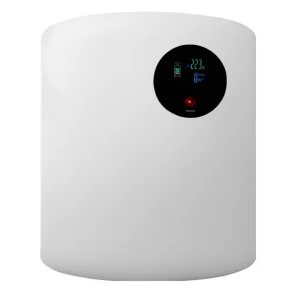
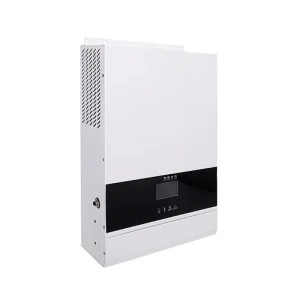
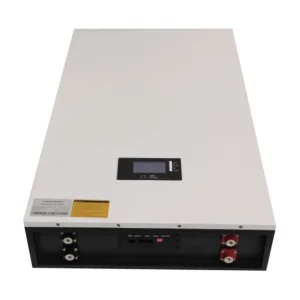
The global transition toward decentralized energy grids is accelerating at an unprecedented rate. Once considered a luxury or a secondary fallback for storm-prone regions, solar backup batteries have evolved into critical infrastructure. In the residential sector, homeowners are transitioning from simple off-grid energy storage to intelligent, integrated home energy management systems (HEMS). Meanwhile, factories are adopting massive multi-megawatt battery energy storage systems (BESS) to shield operations from volatile power markets, dynamic utility demand charges, and unstable transmission lines.
Technological advancement within the energy storage market has crystallized around several crucial developments:
We provide cleaner energy for a greener world.

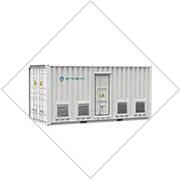
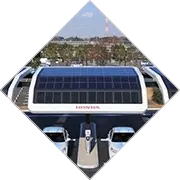
For procurement officers representing massive logistics networks, data centers, manufacturing plants, and residential real estate portfolios, purchasing energy storage is a complex calculation of Levelized Cost of Storage (LCOS) and risk mitigation. Unlike consumer acquisitions, commercial battery selection involves rigorous engineering benchmarks and multi-tiered liability evaluations.
Important criteria that dictate global commercial procurement include:
Established in 2019, headquartered in Xiamen, China, Elemro Energy has been specialized in new energy storage and electrical product solutions with rich experience. It is the market leader in the new energy industry that unifies R&D, production, and sales. The products have been sold to more than 250 customers in Europe, Southeast Asia, Africa, Mid-east, America, etc. Since its establishment, ELEMRO’s revenue has been growing rapidly every year. ELEMRO’s annual turnover is expected to exceed 50 millions USD in year 2023.
About UsBy linking state-of-the-art battery technologies directly with intelligent grid solutions, Elemro Energy provides high-performance components that ensure supply chain integrity and operational continuity across critical industries worldwide.
The global dominance of Chinese manufacturers in the battery value chain is a direct result of comprehensive vertical integration and aggressive research investment. China's advanced Industry 4.0 practices, implemented by manufacturers like ELEMRO, have set new standards for cost efficiency, quality control, and production scalability.
Key pillars of this manufacturing ecosystem include:
Start a green and convenient life with Elemro Energy.
The global commercial and industrial landscape faces dual challenges: volatile grid electricity pricing and strict corporate mandates to reduce greenhouse gas emissions. For these reasons, solar backup batteries serve a much broader operational purpose than simple outage protection.
Consider the primary economic drivers for modern factories:
A major mistake in energy procurement is adopting a one-size-fits-all approach. Storage architectures must adapt to the regional realities of where they are deployed:
For inquiries about our products or pricelist, please leave your email to us and we will be in touch within 24 hours.
Answering key questions on solar storage design, chemistry choice, and procurement optimization.
High-voltage systems operate at lower currents while delivering equivalent power output. This results in reduced heat generation, smaller cable requirements, and improved conversion efficiency inside the hybrid inverter. This setup is ideal for handling the high surge currents of central heat pumps or industrial tools.
A typical home consumes 1kW to 2kW of power per hour under basic load conditions (refrigerator, lights, Wi-Fi, basic electronics). A 10kWh battery will sustain these systems for 5 to 10 hours, while a 14kWh system extends that to 7 to 14 hours. Activating heavy appliances like HVAC or electric dryers will deplete the reserve much faster.
LiFePO4 (LFP) does not release oxygen during thermal runaway events, reducing fire risks compared to NMC chemistries. LFP also offers superior cycle longevity, operating for over 6,000 charge cycles before dropping to 80% capacity. This ensures a lower Levelized Cost of Storage (LCOS) over the lifetime of the installation.
Yes. Using advanced hybrid inverters and automated energy management controls, modern battery systems can synchronize with gas or diesel generators. The batteries handle short-term load spikes and allow the generator to operate at its peak fuel-efficiency range, reducing overall fuel consumption.
Stay updated with our latest industry insights and technical articles.
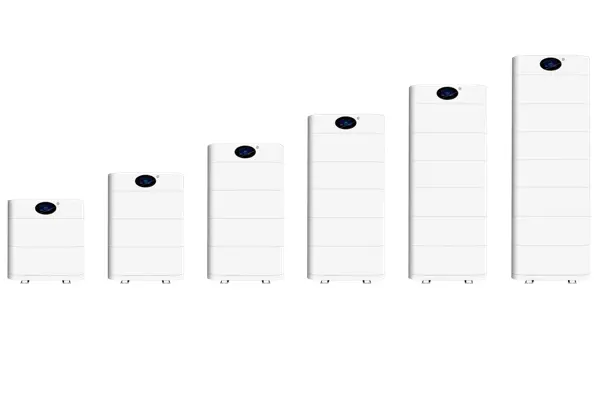
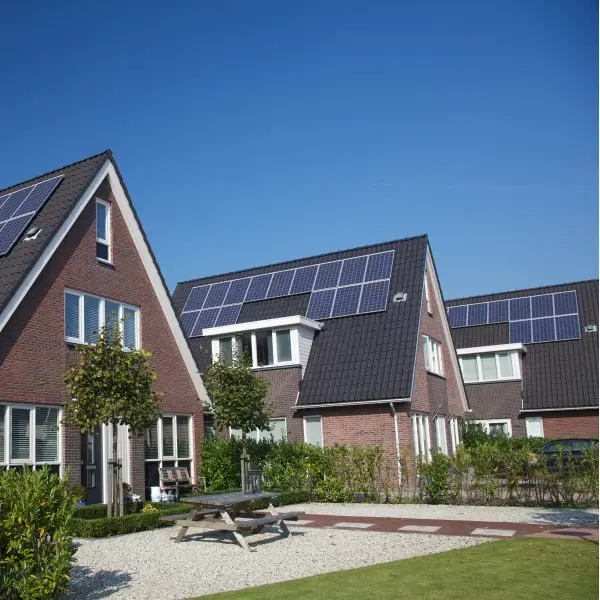





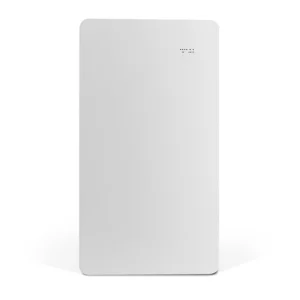
Explore our full range of lithium battery options for diverse off-grid and grid-tied installations.
 Elemro Energy