Explore our foundational range of Tier-1 lithium storage units, specialized thin-film BIPV components, and high-voltage modules designed for high integration.

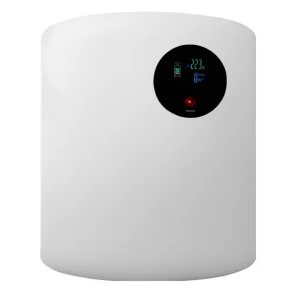
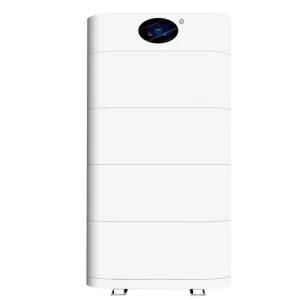
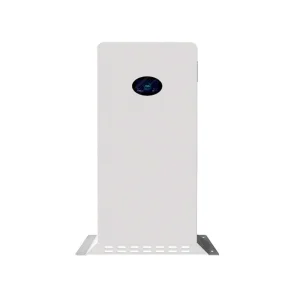
A comprehensive analysis of megawatt-hour energy systems, cell-to-grid engineering, and compliance dynamics for utility procurement officers.
The global energy transition has progressed past residential scale arrays to massive, coordinated utility installations. Utility-scale battery energy storage systems (BESS) are no longer measured in mere kilowatts (kW); they are specified in Megawatt-hours (MWh). As national grids retire centralized baseload combustion units in favor of intermittent solar and wind resources, grid stability requires massive buffering capability.
An MWh battery solution serves as the primary tool for frequency containment reserve (FCR), automatic frequency restoration reserve (aFRR), and load peak-shaving. High-capacity energy storage containers integrate thousands of lithium iron phosphate (LiFePO4) or sodium-ion cells in configurations designed to stabilize system voltage, suppress transients, and shift generation peaks over 4-hour to 8-hour discharge windows.
ELEMRO Energy Annual Expected Turnover in 2023 reflecting rapid industrial adoption of high-efficiency utility and residential energy packages worldwide.
When selecting MWh battery manufacturers, global engineering, procurement, and construction (EPC) firms perform deep due diligence. Cell chemistry reliability, thermal runaway mitigation strategies, cycle life verification under heavy loads, and the sophistication of the Battery Management System (BMS) are the critical criteria.
Chemistry Breakdown: Lithium Iron Phosphate (LFP) remains the commercial benchmark due to its thermal stability and cycle performance (often exceeding 6,000 to 8,000 cycles at 80% Depth of Discharge). Emerging Sodium-Ion chemistries offer cost advantages in cold environments, while advanced Solid-State concepts promise density gains for high-demand deployments in the future.
Thermal Management: Maintaining cell temperature uniformity to within ±2°C across a container layout is essential to prevent differential degradation. Modern MWh installations utilize liquid-cooling plates with biodegradable glycol-water mixtures, significantly reducing parasitic loads compared to traditional air-forced ventilation and reducing the risk of localized thermal runaway.
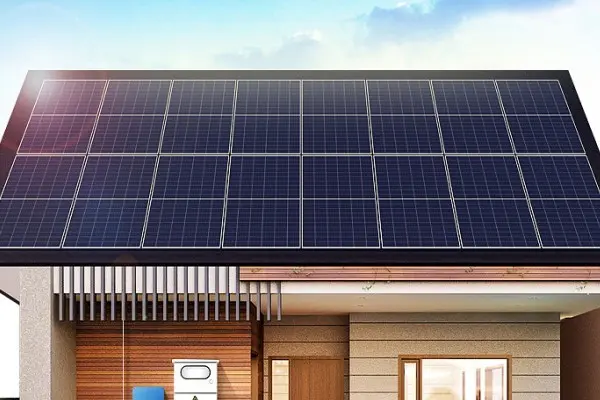
Beyond containerized storage, industrial stakeholders integrate multiple physical layers of generation and retention. Combining modern photovoltaics directly with physical infrastructure maximizes operational space.

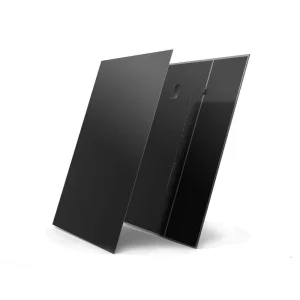
Integrating CdTe thin-film photovoltaics into building envelopes (BIPV) for generation on commercial facades.
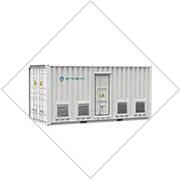
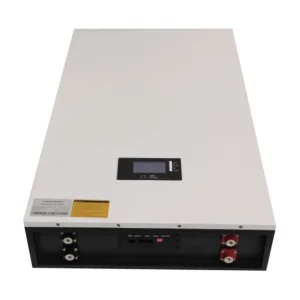
MWh-scale liquid-cooled, fire-suppressed enclosure systems for utility-scale grid interface.
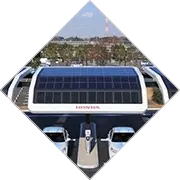
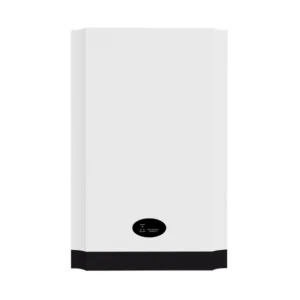
Multi-use structures converting parking envelopes into clean energy generating centers with integrated chargers.
For grid-connected industrial projects, safety compliance dictates project approval. Leading manufacturers align production lines with UL 9540A unit-level thermal runaway testing protocols, IEC 62619 standards for stationary application cells, and NFPA 855 standard requirements for the installation of stationary energy storage systems.
Industrial scale units must feature integrated, multi-level fire mitigation systems: gaseous chemical suppressants (like Novec 1230 or FM-200) for clean localized intervention, coupled with direct-to-module deflagration venting and physical water-deluge connections as secondary fail-safes.
Established in 2019, and headquartered in the high-tech industrial hub of Xiamen, China, Elemro Energy has established itself in the global marketplace as a premium provider of advanced electrical infrastructure and new energy storage solutions. Integrating R&D, fabrication, testing, and multi-national logistics, ELEMRO acts as a crucial growth partner for utilities, commercial operations, and residential distributors alike.
Our systems operate across highly demanding grid connections in Europe, Southeast Asia, Africa, the Middle East, and the Americas. By designing and manufacturing under strict global compliance protocols, our systems ensure secure, dispatchable energy generation and backup capacity.
Learn More About UsGlobal Enterprise Clients served with high-performance storage and photovoltaic infrastructure worldwide.
Years of R&D and Manufacturing Focus on new energy storage integration, residential LFP architecture, and power electronics.
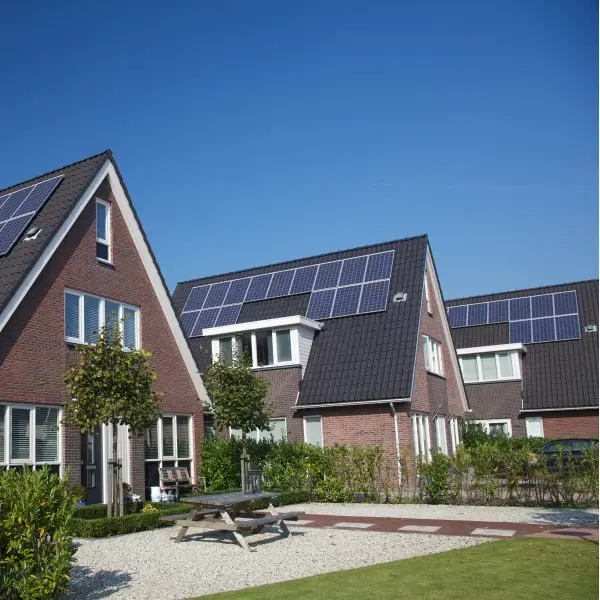
Discover our core catalog of systems optimized for commercial peak shifting and residential solar integration.
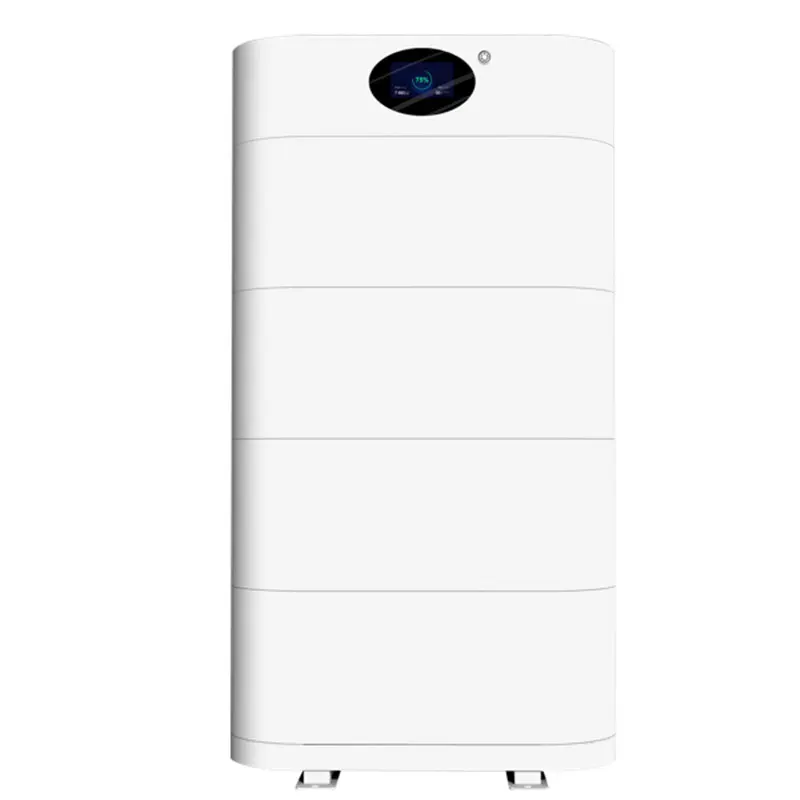
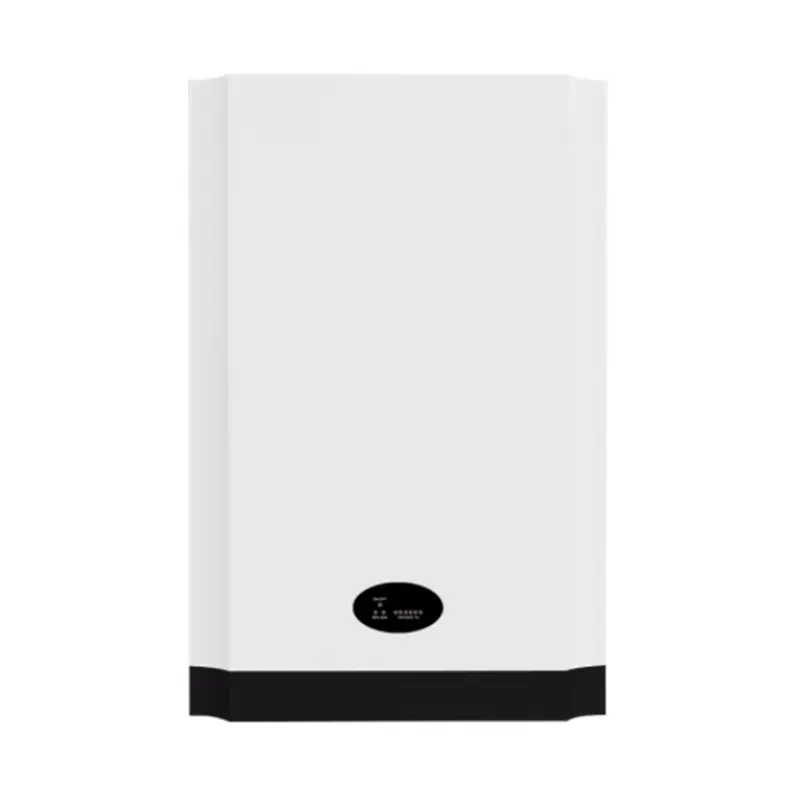
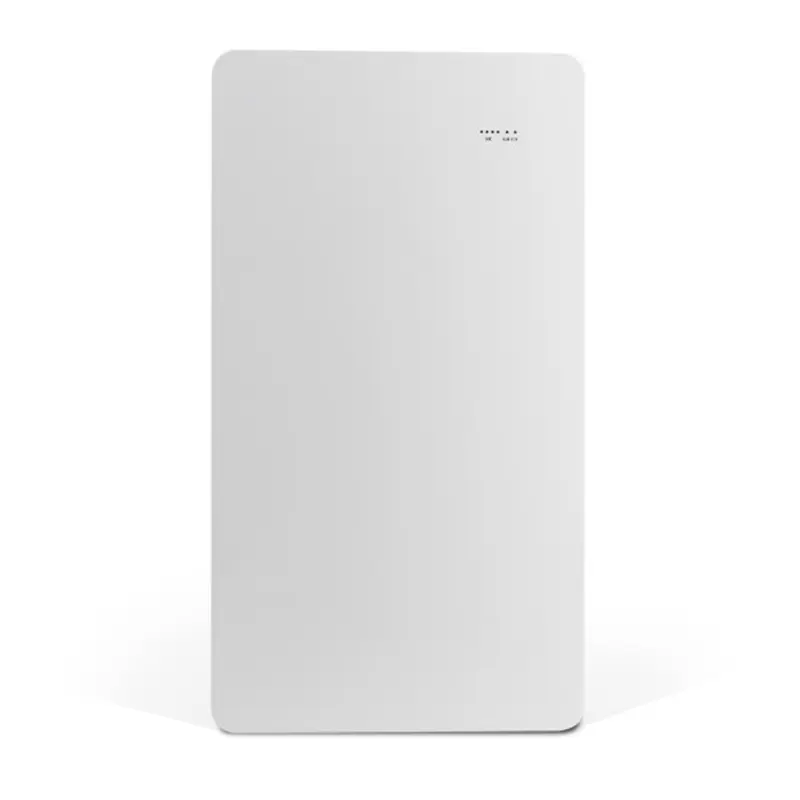
Keep pace with dynamic shifts in energy storage technology, engineering configurations, and global exhibition timelines.
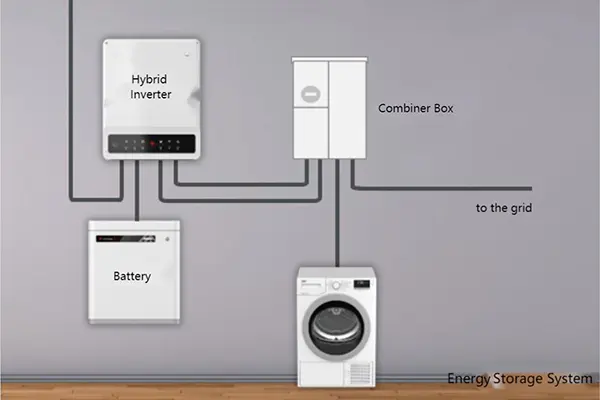
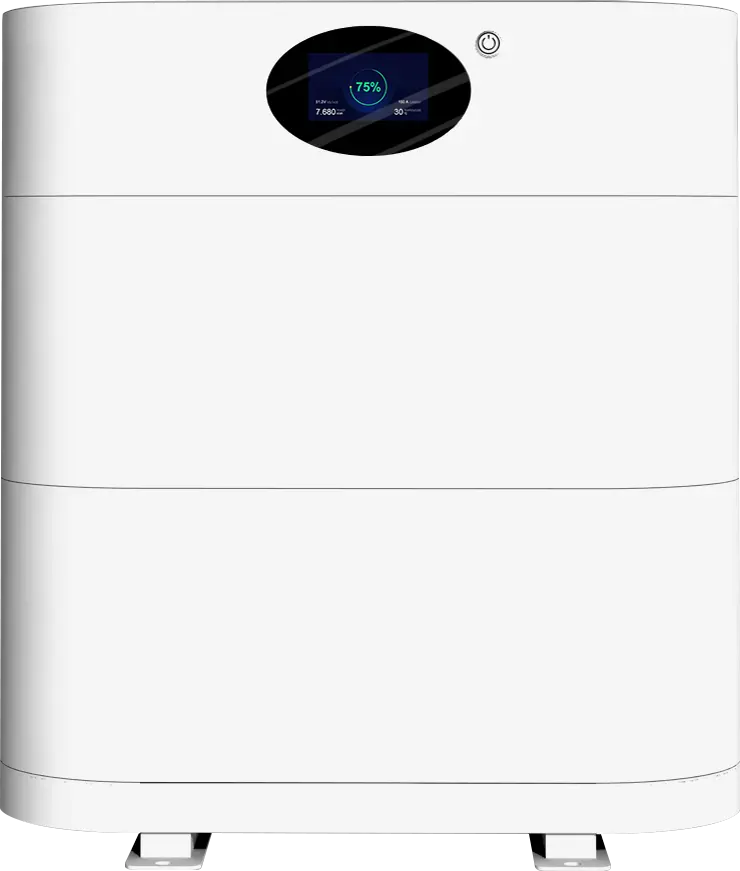
Get authoritative technical answers on MWh battery configurations, installation practices, life cycles, and integration requirements.
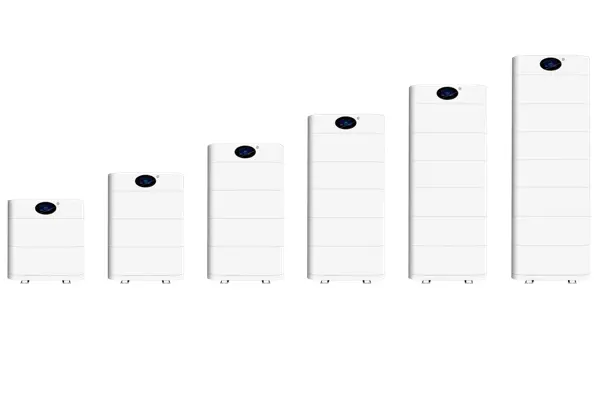
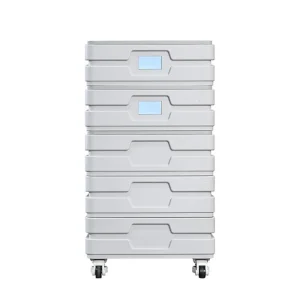
Explore our high-voltage stackable designs, backup batteries, and grid-tied solar inverters designed to support your power generation needs.
Connect with our expert application engineers to design, scale, and quote your commercial or utility MWh project requirements.
Inquiry For Pricelist





 Elemro Energy