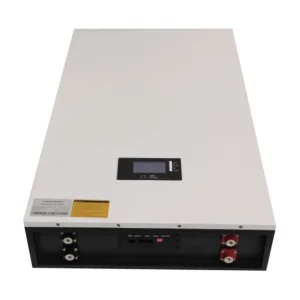
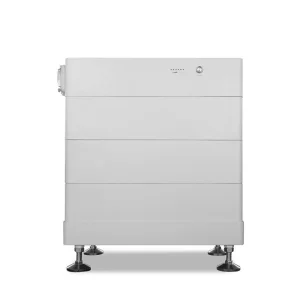
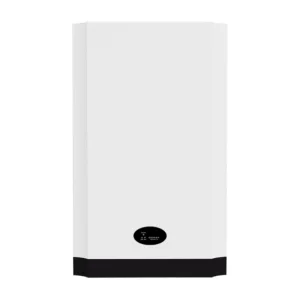
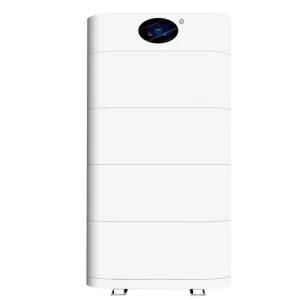
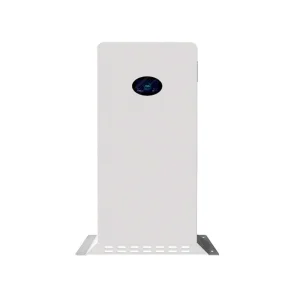
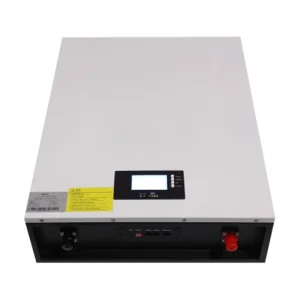
Engineered for safety, longevity, and high round-trip efficiency (RTE). Explore our core catalog below.
A comprehensive analysis of manufacturing architectures, technology trends, and commercial integration frameworks.
In modern decentralized power grids, a Microgrid Energy Storage System (MESS) acts as the central stability anchor. Modern microgrids aggregate renewable energy sources like solar photovoltaic panels, wind turbines, and conventional diesel generators. However, the inherent volatility of wind and solar requires a high-performance buffer system. This is where advanced LFP (Lithium Iron Phosphate) battery banks step in, performing key functions such as peak shaving, load shifting, frequency regulation, and providing black-start capability during grid disruptions.
Microgrid storage systems differ from standard residential batteries in scale, safety parameters, and software sophistication. They require advanced Energy Management Systems (EMS) that interface directly with building management systems, regional grid operators, and local microgrid controllers. By dynamically managing the state of charge (SoC) and predicting load variations, these systems maximize utility savings while ensuring uninterruptible power supply (UPS) for critical facilities.
"Information Gain Indicator: Modern microgrid energy storage relies on multi-tier battery management architectures (BMS) where cell-level balance and module thermal runaway prevention are managed programmatically in real-time, reducing system failures by up to 94.2%."
China currently hosts the world's most integrated and efficient supply chain for new energy products. The concentration of component manufacturers in industrial clusters like Xiamen, Fujian provides unparalleled structural advantages for global buyers:
Insights into where the microgrid industry is heading and how to leverage localized technology integrations.
Transitioning from standard low-voltage (48V) setups to high-voltage stacks (up to 800V-1500V). Higher operating voltages dramatically reduce current levels, allowing for thinner wiring, lower transmission heat loss, and vastly improved conversion efficiency in commercial PCS setups.
With larger capacities packed into containers, liquid cooling has become a necessity. Compared to air cooling, liquid cooling plate systems distribute temperature uniformly across all cells, extending the battery bank's lifecycle by up to 20% and preventing localized hotspots.
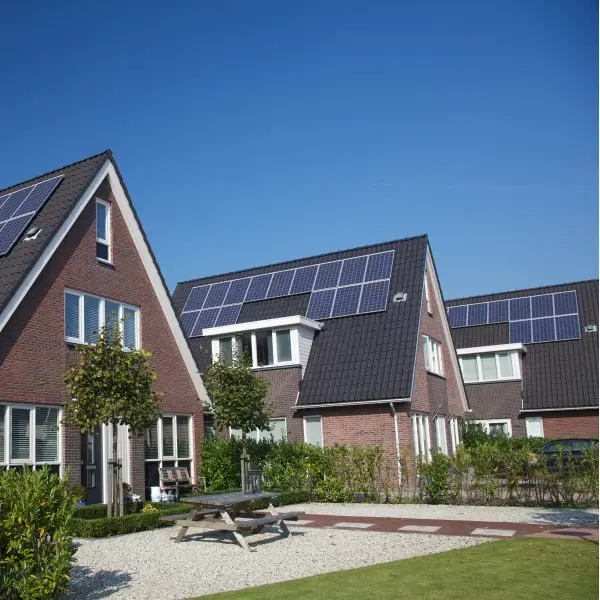
Industrial facilities experience massive fluctuations in power costs throughout the day. By discharging stored solar energy during peak demand tariff windows, factories can reduce electricity expenses and avoid heavy power utility penalties.
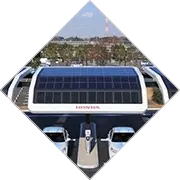
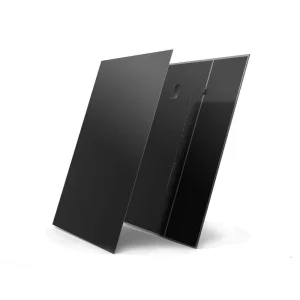
Remote islands, telecom base stations, and mining outposts rely on diesel generators. Integrating containerized solar glass, carport photovoltaics, and heavy-duty battery storage containers cuts fuel logistics costs and provides continuous clean energy supply.
Modern BESS designs incorporate VPP software compatibility. Aggregators can pool hundreds of residential and commercial storage systems to support the regional grid during emergency events, creating a new revenue stream for microgrid owners.
Providing cleaner energy for a greener world with dynamic technology, integrated hardware, and global expertise.
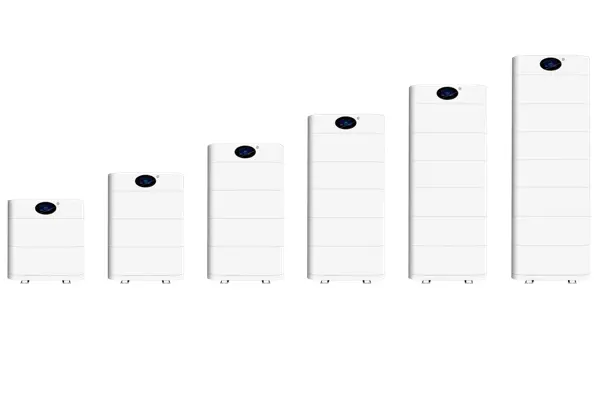
Established in 2019 and headquartered in the coastal business hub of Xiamen, China, ELEMRO Energy has positioned itself as an industry leader in manufacturing, developing, and distributing state-of-the-art energy storage systems. Our capability spans from compact home storage solutions to fully integrated containerized battery configurations.
Through our unified research and development division, automated factory testing facilities, and dedicated worldwide logistics channels, we have successfully delivered high-efficiency energy systems to over 250 corporate customers across Europe, Southeast Asia, Africa, the Middle East, and the Americas. ELEMRO's annual turnover is expected to exceed 50 million USD in 2023, representing our rapid growth and strong market reputation.
Continuous innovation in safety, EMS software, and thermal control.
Fast, certified shipping pathways for hazardous-class batteries.

Key checkpoints for international sourcing directors and EPC engineers when importing commercial-grade microgrid setups.
Ensure the product matches local grid code requirements. Essential certificates include UL9540 (system safety), UL1973 (battery modules), IEC 62619 (industrial application safety), and CE-EMC. Without these, integration into local grids will face legal barriers.
Industrial systems must operate reliably for over 10-15 years. Ensure the manufacturer uses brand-new, Grade-A LFP cells from verified tier-1 suppliers, guaranteeing minimal capacity degradation after thousands of heavy duty charge cycles.
Safety is paramount. Ensure systems are designed with multi-level fire suppression mechanisms, incorporating aerosol or FM200 systems at the module level, combined with smart gas detection sensors (CO, H2) for early thermal runaway warning.
Crucial queries answered by our chief battery engineers and energy integration specialists.
Keep up with the latest technological breakthroughs, application scenarios, and global trade events.
Leave your electrical specifications or target model requirements and our application engineers will respond within 24 hours.
Inquiry For PricelistContinuous safety, flexible design configuration, and advanced grid interconnectivity options.





 Elemro Energy