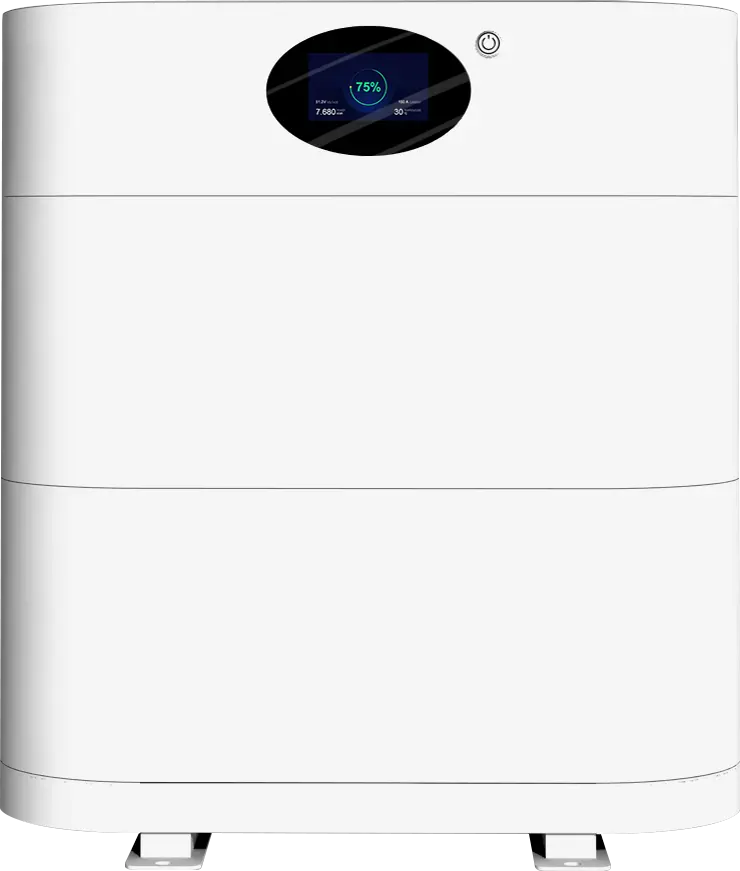
Explore our premium grade LiFePO4 battery modules and solar storage configurations engineered for long cycle lives and absolute thermal stability.
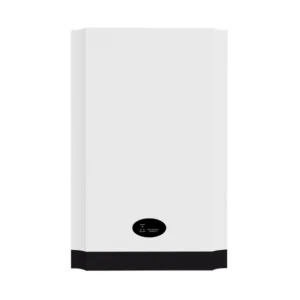
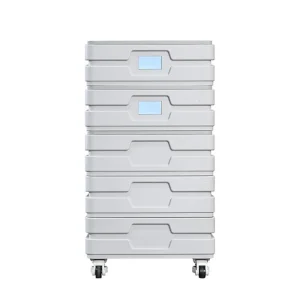
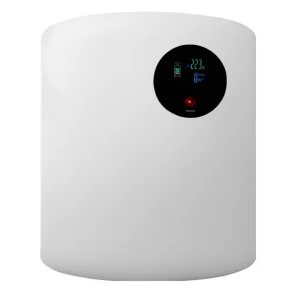
The transition toward renewable energy sources like wind and solar has highlighted the critical need for grid stability, peak shaving, and energy load shifting. Traditional power grids cannot efficiently handle the intermittent nature of green energy. This is where high-capacity Lithium-Ion Battery Energy Storage Systems (BESS) step in. Globally, utility companies, C&I enterprises, and residential homeowners are transitioning to Lithium Iron Phosphate (LiFePO4) chemistry due to its unparalleled longevity, safety profile, and high round-trip efficiency (RTE) of over 95%.
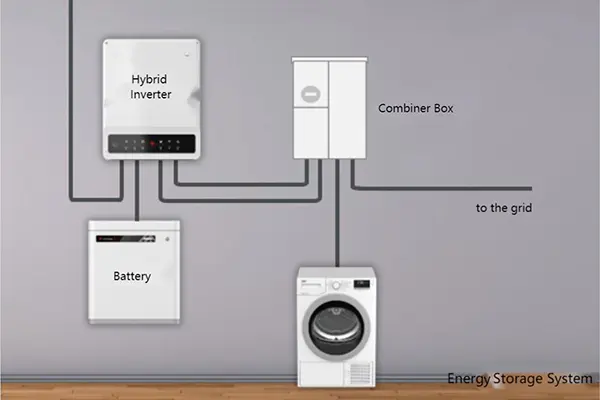
As grid congestion increases and power outages become more common, battery energy storage systems act as a vital decentralized buffer. By storing electricity during periods of low tariff rates (or peak solar production) and discharging it during peak demand intervals, these systems optimize operational expenses (OPEX) while offering critical backup resilience.
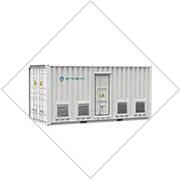
A unified R&D, production, and global supply chain leader in energy storage solutions, headquartered in Xiamen, China.
Established in 2019, ELEMRO has leveraged multi-million-dollar R&D investments to commercialize high-performance LFP stackable configurations and high-voltage energy storage systems designed for robust operational lifespans of up to 6,000 cycles at 80% DoD.
With an annual turnover exceeding $50 million USD in 2023, ELEMRO services over 250 corporate accounts across Europe, North & South America, Southeast Asia, Africa, and the Middle East, delivering localized logistical and supply chain custom designs.
Every single lithium-ion battery system shipped from ELEMRO factories undergoes rigorous quality testing and holds core certifications including UN38.3, CE, IEC 62619, and UL standards to guarantee compliance in highly regulated regions.

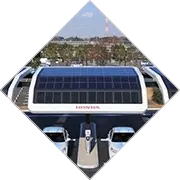
Sourcing from a Chinese lithium-ion battery factory offers distinct economic and logistical benefits for global B2B procurement officers. China currently controls over 75% of the global lithium-ion refining capacity and holds a dominant position in the production of battery components, including anodes, cathodes, separators, and liquid electrolytes. This concentration of materials offers major advantages:
By partnering with ELEMRO Energy, an established operator headquartered in Xiamen's clean-energy hub, international buyers gain direct access to this integrated ecosystem. Our team manages logistics, monitors cell-matching parameters, and implements dual-stage testing protocols prior to shipping to minimize the risk of defects.
When selecting a lithium-ion battery energy storage partner, procurement teams must evaluate key technical specifications beyond price. Selecting low-tier manufacturers can lead to premature cell degradation, thermal runaway hazards, or grid integration failures.
Always verify that the factory uses Grade-A cells from reputable suppliers. Batteries must have matched internal resistance, voltage values, and self-discharge rates. LFP (Lithium Iron Phosphate) is the preferred standard for stationary applications, whereas NMC (Nickel Manganese Cobalt) is typically reserved for footprint-constrained mobile applications due to its higher volumetric energy density.
The BMS serves as the brain of the energy storage system. It prevents over-charging, over-discharging, short circuits, and thermal anomalies. High-quality systems feature dual-CPU hardware, multi-point thermal sensors, and cloud monitoring interfaces that communicate directly with mainstream hybrid inverters using CAN/RS485 protocols.
Evaluate lifecycle claims. A robust industrial-grade battery should deliver 5,000 to 6,000 continuous cycles at 80% Depth of Discharge before capacity degrades to 80% of its nominal value. Low-tier options often achieve only 2,000 to 3,000 cycles, doubling the long-term Levelized Cost of Storage (LCOS).
LFP performance degrades in extreme cold (below 0°C) and accelerates degradation in high heat (above 45°C). Ensure your factory provides option-packed enclosures containing active heating elements (heating blankets) or liquid-cooling jackets for outdoor regional installations.
Exporting lithium-ion batteries requires adherence to strict safety standards and regional transportation regulations. ELEMRO maintains comprehensive compliance to simplify custom clearances and grid connection permits:
Beyond paperwork, ELEMRO offers localized engineering support. We assist your project coordinators with setting correct local grid profiles, programming matching inverter parameters, and meeting local utility connection requirements.
From residential smart-homes to commercial peak-shaving systems, ELEMRO adapts to diverse operational configurations.
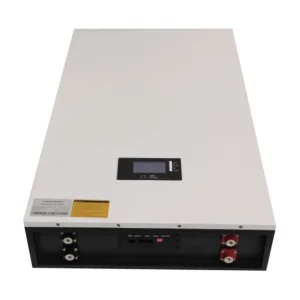
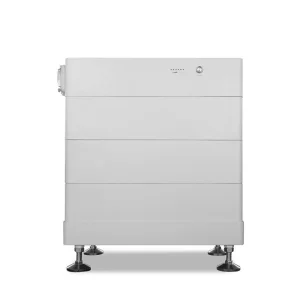
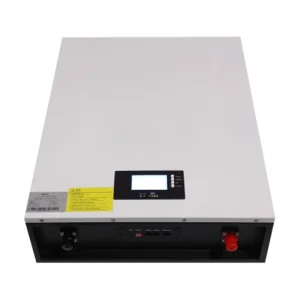
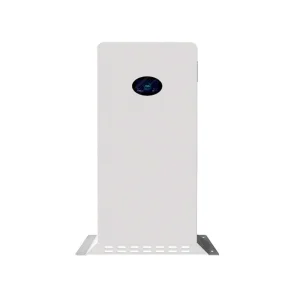
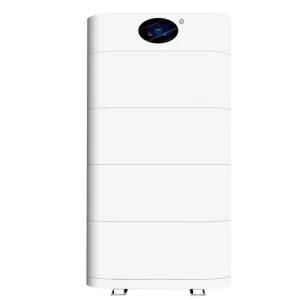
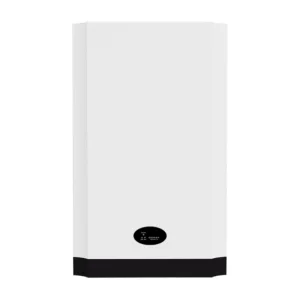
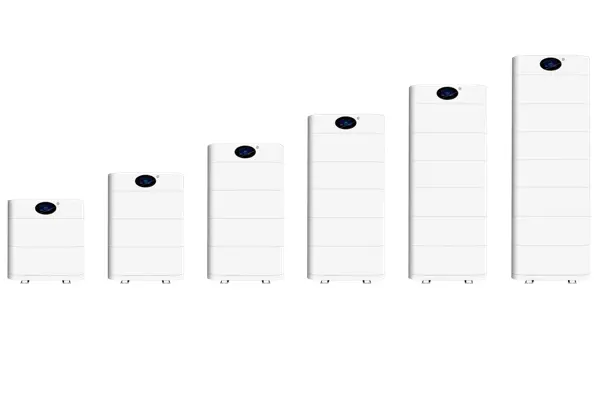
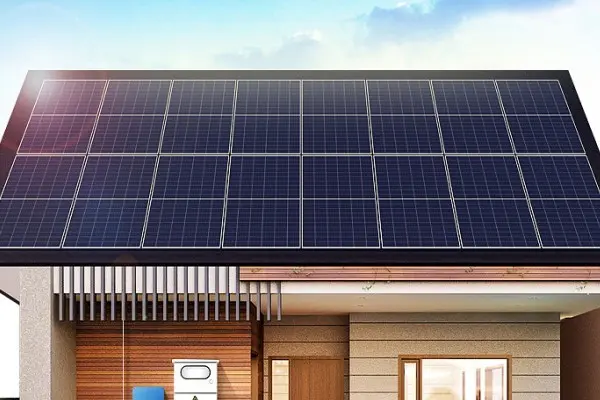
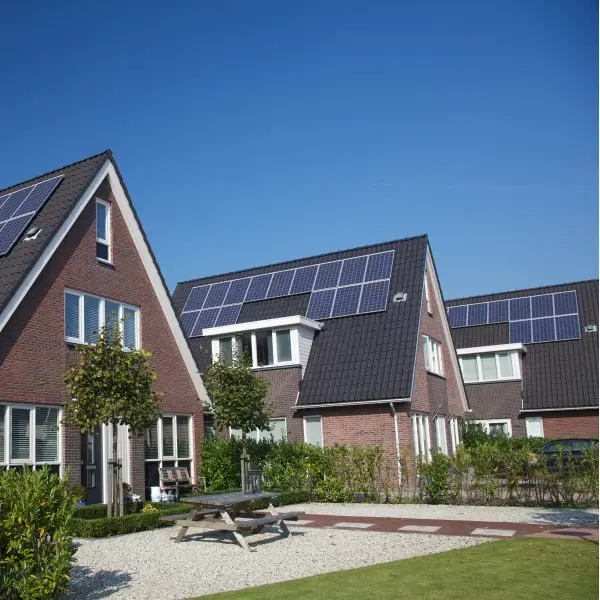
For areas with unstable grids or high electricity pricing structure, our wall-mounted or modular stackable systems (e.g., WHLV 10kWh or SHELL 14.3kWh) allow homeowners to store solar power generated during the day. This stored energy offsets evening grid usage, helping lower electricity bills.
Commercial operations are often billed based on their peak demand peaks. Implementing a high-voltage stacked ESS allows facilities to discharge batteries during peak consumption hours, reducing demand charges and optimizing factory operational costs.
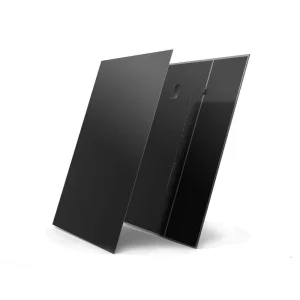
Using next-generation CdTe (Cadmium Telluride) thin-film solar glass panels alongside our high-voltage battery banks creates building-integrated photovoltaics (BIPV). This allows structural facades and rooftops to generate and store clean electricity directly.
Get answers to common technical, logistics, and deployment questions regarding battery energy storage systems.
Review our specialized high-voltage modules, thin-film solar technologies, and custom-capacity battery enclosures.
Stay informed with technical whitepapers and industry announcements from our engineering department.
Get in touch with our engineering team for personalized quotes, cell data sheets, or layout customization details. We reply within 24 hours.


 Elemro Energy