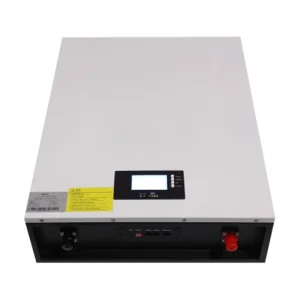
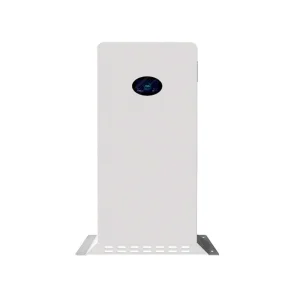
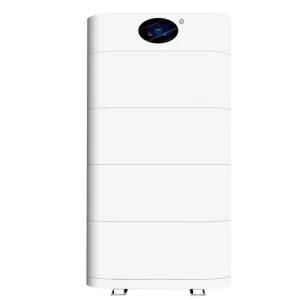
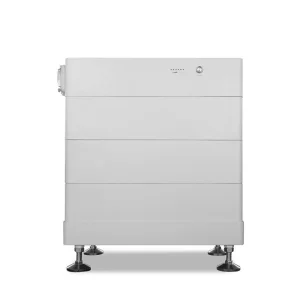
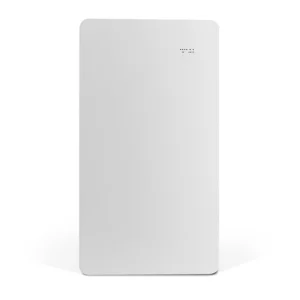
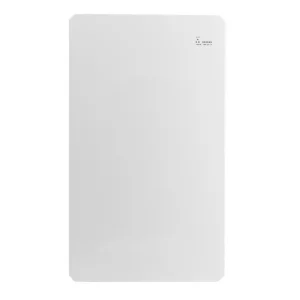
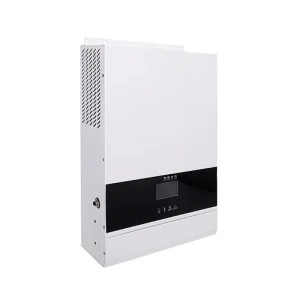
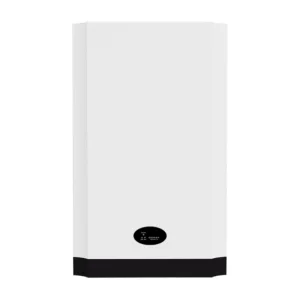
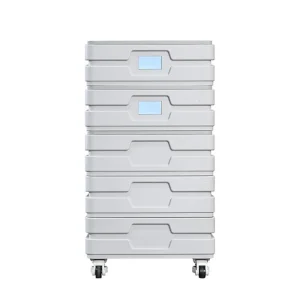
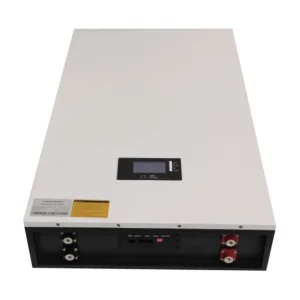
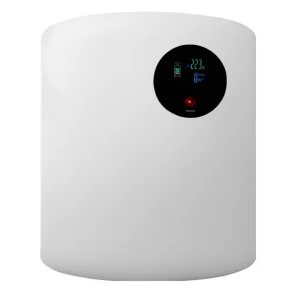
Premium grade energy modules engineered to support diverse grid load capacities and peak performance demands.
Established in 2019 and headquartered in the prominent economic zone of Xiamen, China, ELEMRO Energy has pioneered integrated energy solutions to address the dynamic and highly demanding challenges of the new energy storage sector.
As an industry-recognized leader, ELEMRO stands at the intersection of professional research and development, high-volume automated manufacturing, and structured global distribution. Our systems offer reliable, safe, and efficient operational performance that is deployed worldwide. We serve more than 250 enterprise buyers and key energy accounts across Europe, Southeast Asia, Africa, the Middle East, and the Americas.
By leveraging advanced LiFePO4 chemistry architectures, state-of-the-art battery management systems (BMS), and innovative BIPV applications, our annual turnover reached over USD 50 million in 2023, exhibiting sustained exponential growth in production capability and design excellence.
Year Established
2023 Global Turnover
International Clients
Continental Markets Served
Aligning raw photovoltaic generation with industrial-grade modular containment and local distributed generation architectures.
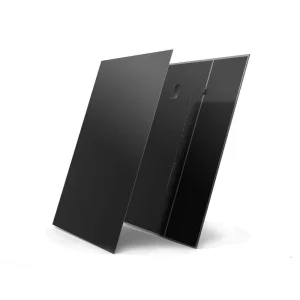
Cutting-edge Cadmium Telluride (CdTe) thin-film solar glass configurations tailored for Building Integrated Photovoltaics (BIPV). Seamless structural integration for high performance energy-generating facades.

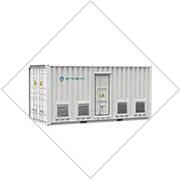
Megawatt-scale liquid or forced-air cooled modular containers designed to support thermal stabilization, high safety regulations, microgrid peak shaving, and distribution grid security.
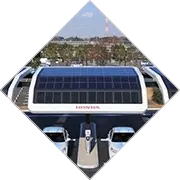
Clean charging structures for commercial properties. Merges structural stability with premium solar modules and integrated backup storage architectures for fleet power needs.
The global transition toward green grids has accelerated the demand for grid-tied Commercial and Industrial (C&I) Battery Energy Storage Systems. In North America and the European Union, tightening grid limits and fluctuating wholesale prices have established battery installations as a financial requirement. Meanwhile, rapid infrastructure scaling in Southeast Asia and Africa utilizes decentralized mini-grids to bypass underdeveloped transmission systems.
Modern factories face severe financial impacts from dynamic demand charges, grid instability, and power disruptions. Industrial battery configurations stabilize local voltage levels, support sub-millisecond UPS failover states, and shave peak demands during premium rate periods.
According to research profiles from industry agencies, LCOS (Levelized Cost of Storage) for lithium-ion deployments has decreased by over 75% in the last ten years. This reduction makes on-site chemical storage systems an asset that provides immediate ROI and operational support.
Modern commercial storage systems rely heavily on chemical stability and physical lifecycle safety. ELEMRO has designed its manufacturing processes around Lithium Iron Phosphate (LiFePO4) chemistry. Compared to conventional Nickel-Manganese-Cobalt (NMC) cells, LFP displays superior thermal runaway temperatures (>270°C) and exceptional mechanical structural reliability.
Our technical roadmap focuses on the transition toward High-Voltage Stacked Architectures. Stacked layouts run in series to generate higher system voltages (up to 800V DC). This reduces system current requirements, leading to smaller cables, lower thermal losses, and increased round-trip efficiency (RTE) above 95%.
| Parameter | Low Voltage Systems (48V) | High Voltage Stacked Systems (400V-800V) | Industrial Impact |
|---|---|---|---|
| System Efficiency | 88% - 91% | 94% - 96% | Less energy converted to waste heat. |
| Cable Cross-Section | Thick, Heavy Copper | Ultra-thin, lightweight cabling | Reduces component costs and installation complexity. |
| BMS Coordination | Parallel Balance Only | Active Master-Slave Balancing | Extended lifecycle reliability up to 6000 cycles. |
Analyzing deployment methodologies and system configurations in standard operating conditions.
Heavy industrial machinery creates severe power peaks. High-voltage stacked LFP battery blocks deploy stored capacity during these brief peak moments, flattening the power profile and avoiding utility demand charges.
Integrating Elemro CdTe thin film solar glass directly into warehouse exterior envelopes generates clean energy on site. This energy is managed by a centralized, containerized ESS to provide reliable power throughout the night.
For farm settings isolated from utility lines, LCLV 14kWh storage arrays paired with commercial solar setups support reliable water pump and processing equipment operation during weather events.
For inquiries about our products, global delivery schedules, or pricing structures, share your email below. Our engineering team will contact you within 24 hours.
Insights into energy storage design, safety certifications, and new technology developments.
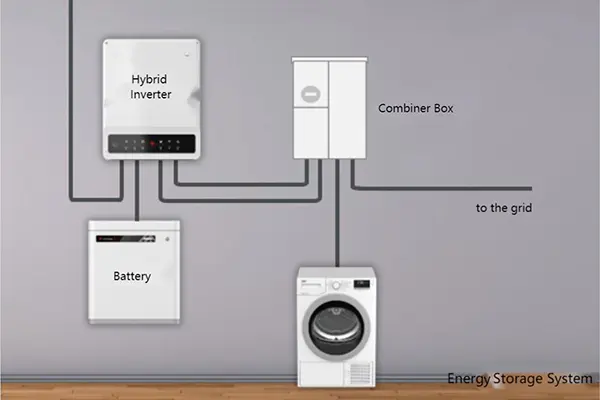
An analysis of hybrid, off-grid, and grid-tied residential inverter designs, focused on energy transfer performance and micro-BMS integration.
Evaluating capacity loss, safety margins, and thermal properties of LiFePO4 configurations compared to alternative chemical storage technologies.
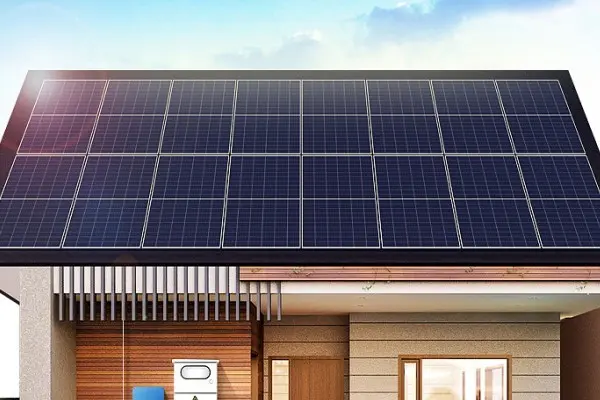
A detailed breakdown of integration strategies, backup calculations, and installation requirements for industrial buildings.
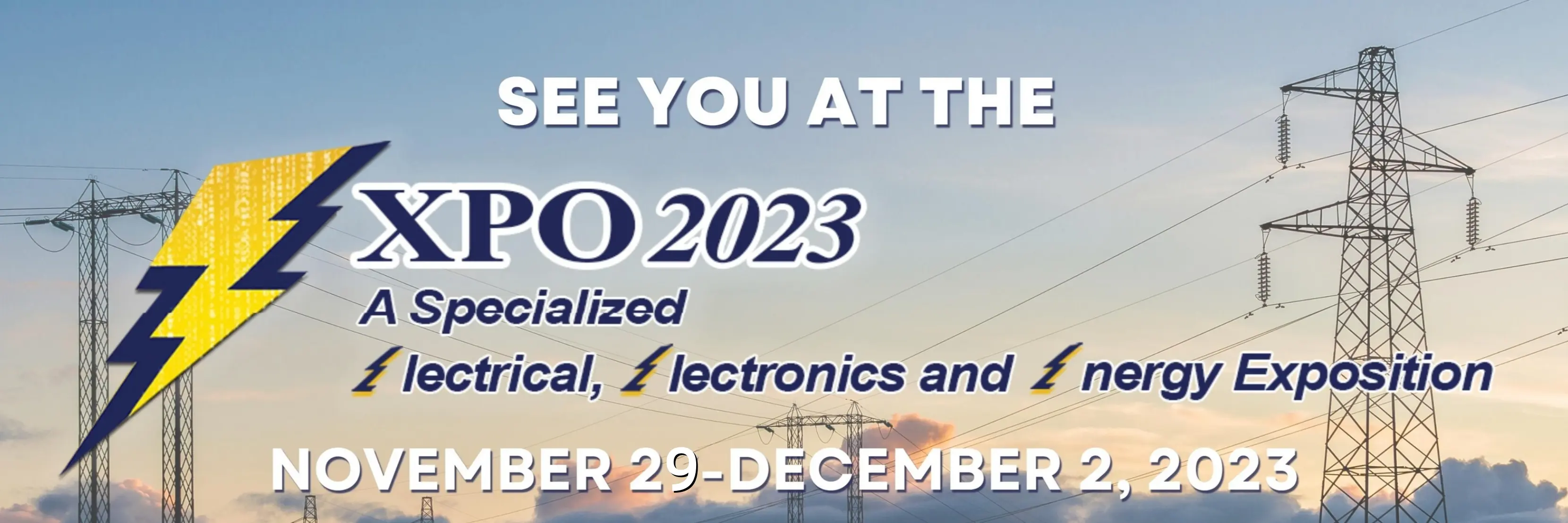
Showcasing ELEMRO's latest battery products and solar carport applications at the prominent energy exhibition in the Philippines.
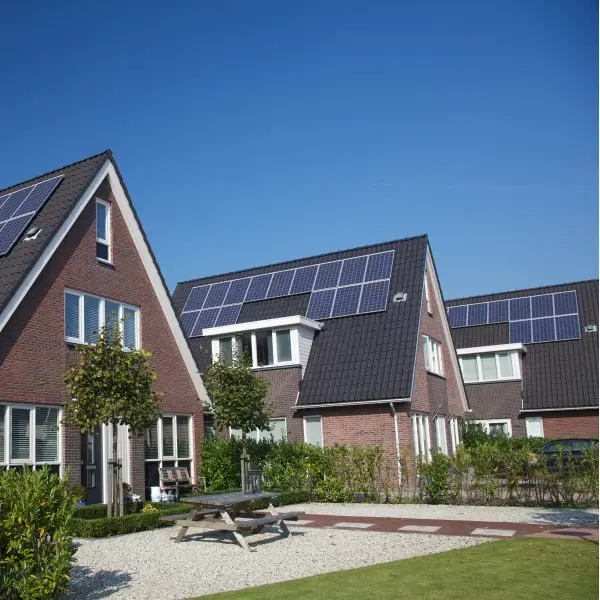
Evaluating real-world generation curves for CdTe thin-film systems under cloudy and low-light environmental conditions.
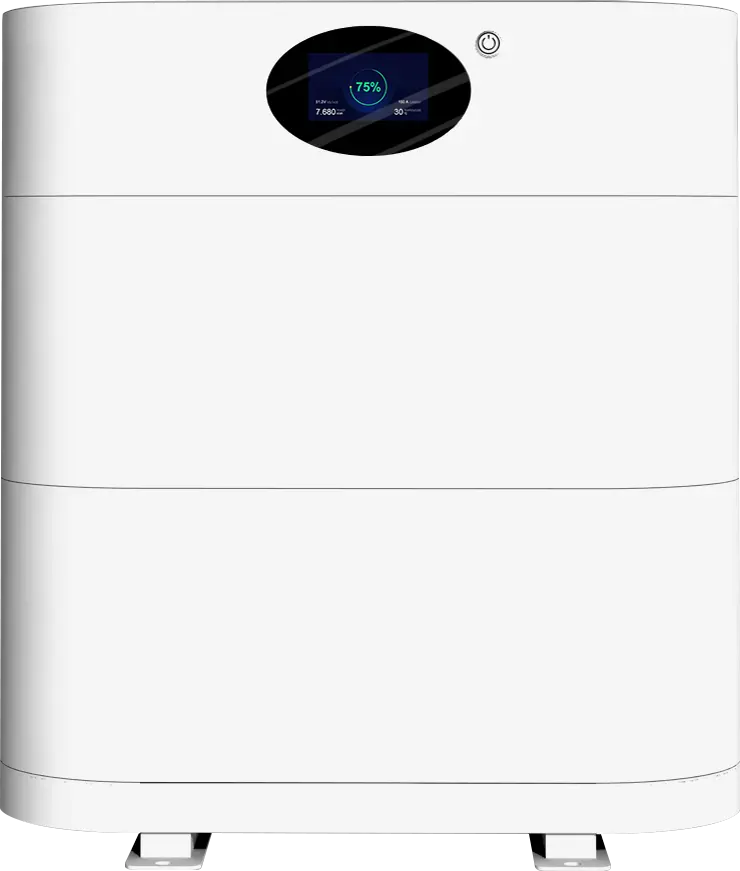
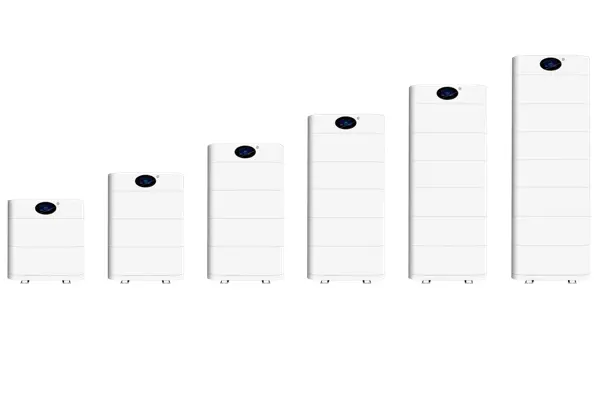
Comparing wall-mounted slim storage configurations to modular stacked models, highlighting thermal safety and expandability.
Technical answers to support engineering layout design and procurement workflows.
A: LiFePO4 provides greater chemical and structural stability. It displays higher thermal runaway thresholds, eliminates cobalt sourcing challenges, and offers up to 6,000 charge cycles at 80% Depth of Discharge (DoD), lowering long-term operating costs.
A: Connecting batteries in series raises the DC voltage, which reduces system currents. This minimizes energy losses through heat and allows the use of thinner, more cost-effective cabling while achieving round-trip efficiencies over 95%.
A: Cadmium Telluride (CdTe) thin-film cells perform better in low-light and high-temperature environments. They offer a uniform appearance that integrates well into building facades and structural glazing.
A: Depending on the climate and battery density, we utilize either forced air cooling systems or advanced liquid cooling systems to maintain temperature differences within 3°C across cells, protecting system lifespan.
A: Our industrial BMS systems support standard protocols including CAN, RS485, and Modbus TCP. This enables integration with major commercial PCS inverters and local SCADA platforms.
A: The ROI is determined by the local utility's demand charge rates. High tariff zones see shorter payback periods, as the battery supplies power during peak rate hours to reduce maximum demand fees.
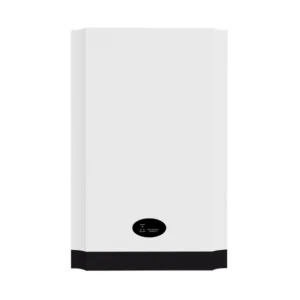
Flexible residential and modular components engineered to adapt to custom voltage profiles and space constraints.




 Elemro Energy