We provide cleaner energy for a greener world.

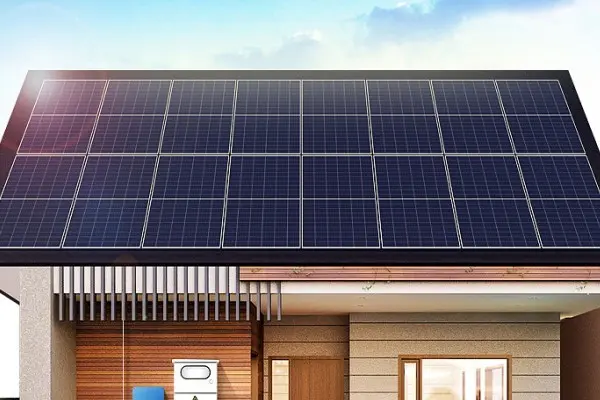
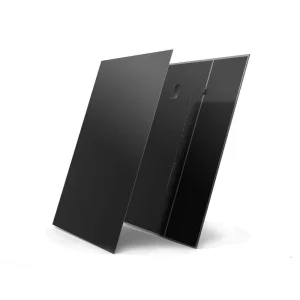
Integrated architectural solar glass solutions combining elegant design with optimal solar harvest efficiency for modern buildings.
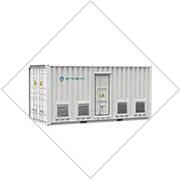
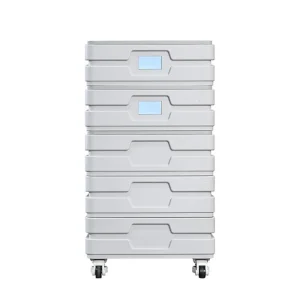
High-capacity commercial and utility-grade grid energy storage containers tailored for heavy loads and off-grid stability.
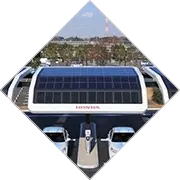
Innovative clean energy structures combining shade systems with photovoltaic power generation for residential and business parking areas.
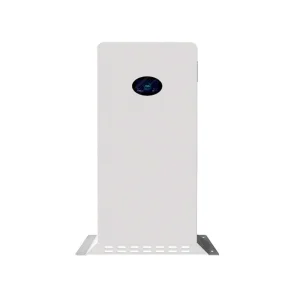
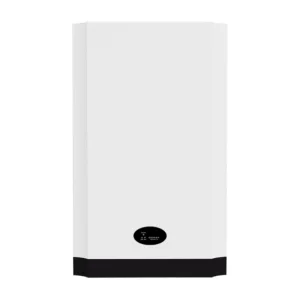
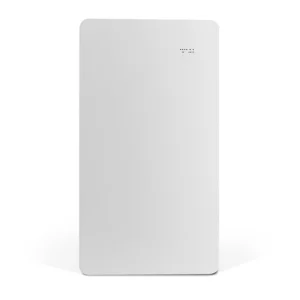
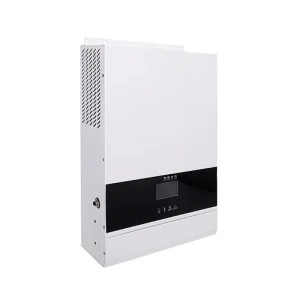
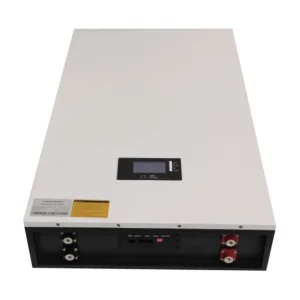
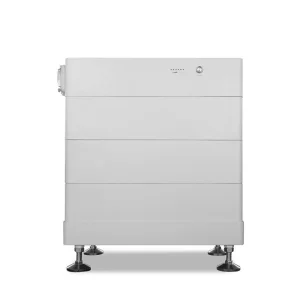
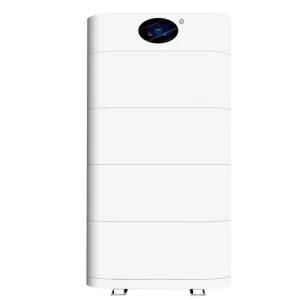
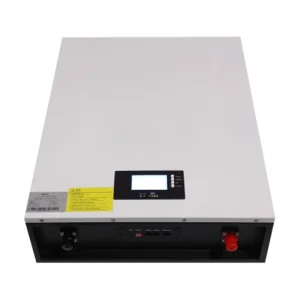
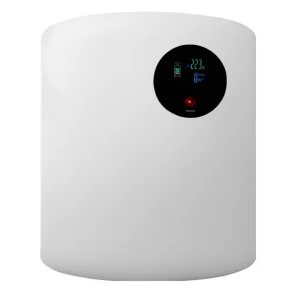
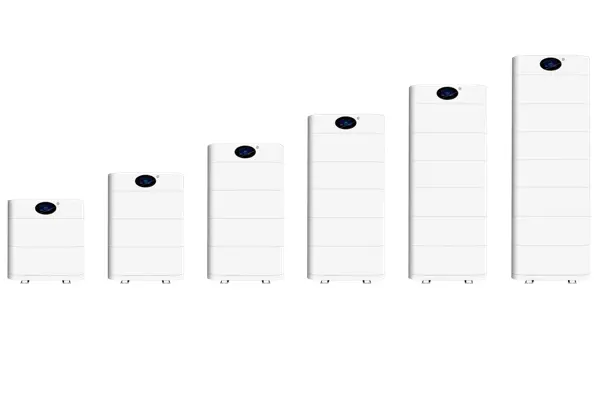
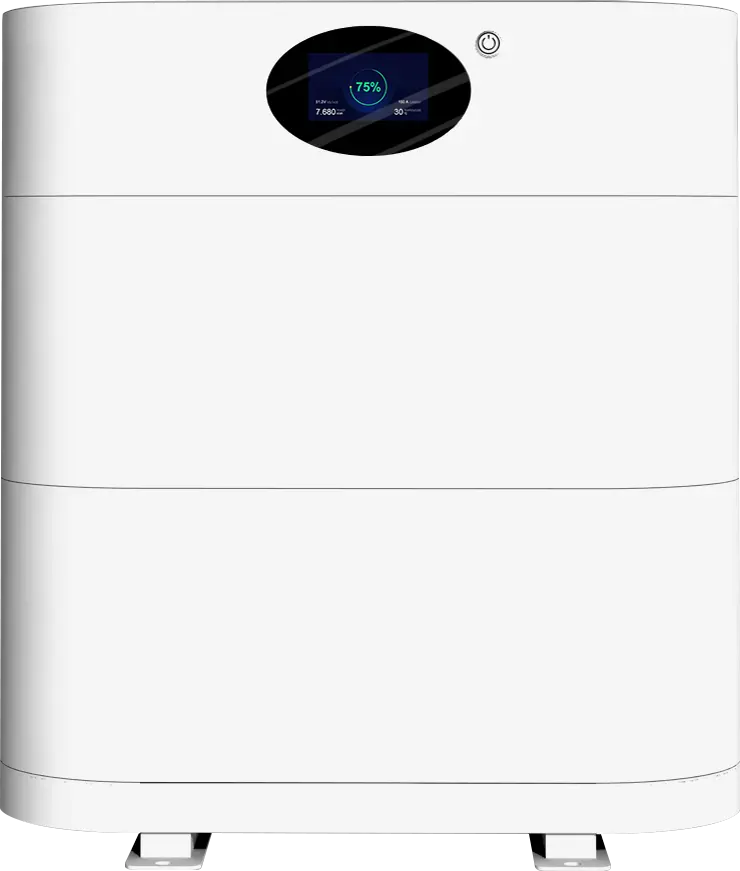
Premium energy systems designed for long lifetimes, advanced thermal safety, and seamless inverter pairing.
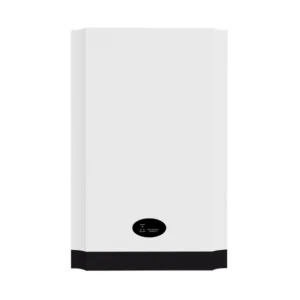
Established in 2019 and headquartered in Xiamen, China, Elemro Energy has built an internationally recognized track record in advanced energy storage and complex electrical infrastructure. We operate at the intersection of technological R&D, high-end production, and agile global supply chain management to deliver scalable storage hardware to residential, commercial, and utility projects globally.
Our expansive global footprint spans Europe, Southeast Asia, Africa, the Middle East, and the Americas, supporting more than 250 marquee clients with tailored clean energy equipment. Propelled by the rapid clean transition, Elemro Energy's year-on-year revenue growth reflects our strict adherence to international quality protocols. Our annual turnover surpassed USD 50 million in 2023, verifying our market leadership and commercial capacity to support major energy distribution partnerships.
The global energy network is undergoing a profound structural reorganization. Historically, electrical grids relied on massive, centralized fossil-fuel power stations to output energy dynamically based on consumer load demand curves. However, the rise of grid-scale renewable generation, coupled with volatile climate cycles and geopolitical pressures, has exposed systemic vulnerabilities in legacy transmission infrastructures. These vulnerabilities manifest as volatile peak power pricing, rolling blackouts, and grid capacity bottlenecks.
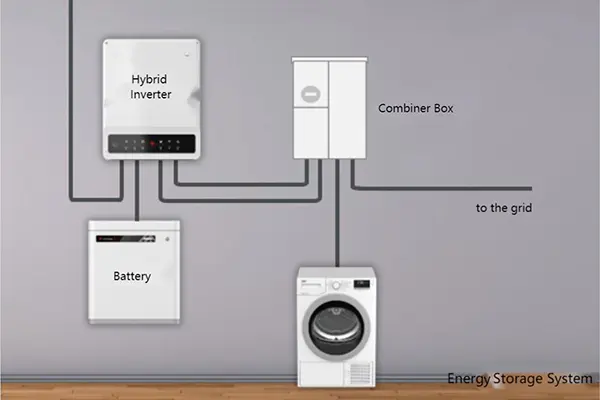
In response, governments and grid regulators worldwide are incentivizing decentralized power architectures. Under this model, residential and commercial buildings are transformed from passive consumers into active, self-sustaining microgrids. Here, the house battery storage system acts as the digital and physical core. By localizing solar generation and dynamic storage, homeowners can mitigate peak energy rates, provide critical auxiliary services to their local grid, and ensure 100% operational continuity during grid failures.
This dynamic has elevated house battery systems from niche home additions to essential infrastructure assets. As global grid operators implement time-of-use (ToU) tariffs and feed-in tariff (FiT) reductions, the return on investment for high-capacity home battery storage systems has scaled significantly. In key markets across Western Europe, North America, and Australia, local homeowners can save up to 70% of utility bills by charging their domestic systems via solar arrays or cheap off-peak grid tariffs, then self-consuming or exporting energy during peak tariff windows.
A major design standard championed by Elemro Energy is the translation of Utility and Commercial & Industrial (C&I) battery safety parameters down to residential installations. Home energy storage setups operate in close proximity to residential living spaces, meaning thermal safety, fire containment, and structural resilience are paramount. Our standard production processes apply industrial-grade manufacturing procedures to all residential offerings.
This translates into the use of premium Lithium Iron Phosphate (LiFePO4) cell chemistry across all units. Unlike standard Nickel Manganese Cobalt (NMC) chemistries, which are prone to thermal runaway under high temperatures, LiFePO4 cells boast a high thermal runway threshold (>270°C) and exhibit stable structural chemistry under deep discharge states. Additionally, Elemro integrates multi-tier battery management systems (BMS) that actively monitor voltage, temperature, and cell balance at the individual cell group level. This minimizes degradation risks and allows our home systems to support over 6,000 charge cycles at 80% depth of discharge (DoD), equivalent to over 15 years of daily operation.
When selecting a house battery storage system, architectural voltage represents a critical engineering decision. Elemro designs and manufactures both Low Voltage (LV - 48V nominal) and High Voltage (HV - 100V to 400V+ nominal) systems to match diverse installation requirements:
Typically operating at 48V-51.2V DC, LV battery systems are the global standard for classic residential installations. Because the voltage remains below critical DC thresholds, LV systems are highly safe to install, commission, and maintain. They feature simple parallel expansion paths where multiple battery modules are linked together via common busbars to scale total capacity. However, because power equals voltage multiplied by current (P = V x I), delivering high power outputs at 48V requires large currents, which demands thicker cabling and results in slightly higher resistive thermal losses over long distances. They are ideal for standard residential configurations with mid-range peak power requirements.
HV energy storage systems operate at higher voltages, typically between 150V and 600V DC. This configuration allows the battery to interface directly with the high-voltage DC bus of hybrid inverters. The elevated voltage allows the system to transfer high levels of power using minimal current. Consequently, HV configurations run cooler, utilize lighter, thinner wiring, and achieve higher round-trip efficiencies (often 1% to 3% higher than equivalent LV setups). High-voltage stacked systems are ideal for running heavy inductive loads (such as central HVAC units, heat pumps, and EV chargers) and supporting large solar arrays.
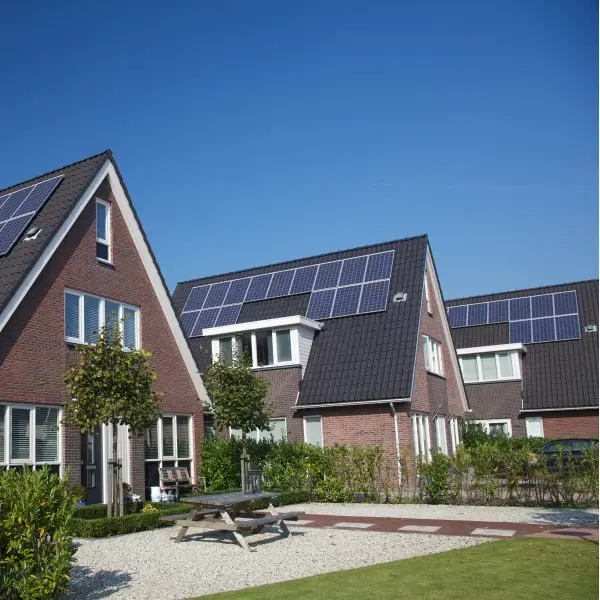
Residential configurations vary widely based on region, climate, and structural design. Elemro's products are engineered to excel in several specific local use cases:
Deploying energy storage equipment globally requires strict adherence to local electrical standards and grid compliance requirements. Elemro Energy designs all equipment to pass rigorous international testing certifications:
In North America, systems are developed to meet the safety standard UL 1973 (for battery packs) and UL 9540 (for full system integration), alongside UL 9540A thermal runaway fire testing. In Europe, the systems comply with CE declarations and IEC 62619 safety standards, ensuring trouble-free authorization for grid connections. Additionally, all Elemro batteries carry UN38.3 certification for safe international transport, guaranteeing that our products meet the highest logistics and operating safety standards before reaching our customers.
The next phase of domestic energy storage lies in software intelligence and advanced materials. Elemro's active R&D roadmap focused on three key areas:
Start a green and convenient life with Elemro Energy.
Stay updated with our latest engineering whitepapers, trade shows, and energy storage updates.
Authoritative answers to the most common queries regarding home battery design, installation, and performance.
The operational lifespan of a domestic battery system depends on its cell chemistry and usage patterns. Elemro's high-grade LiFePO4 systems are designed to support over 6,000 charge-discharge cycles at 80% Depth of Discharge (DoD). For typical daily residential cycle use, this translates to over 15 years of operational service life before the battery capacity naturally degrades below 70-80% of its original rating.
Low-voltage (48V) battery systems are safe, reliable, and easy to scale via parallel modular connections, making them suitable for standard household backup. High-voltage (150V-600V) battery systems integrate directly with high-voltage hybrid inverters to minimize transmission current. This improves round-trip efficiency, reduces heat losses, and provides high surge power to run heavy electrical loads such as HVAC units and electric vehicle charging equipment.
Yes, systems like the Elemro WHLV series and stackable high-voltage configurations can run in pure off-grid mode. To do so, the storage system must be paired with an off-grid or hybrid inverter that supports black-start capabilities. The battery maintains system voltage and frequency reference, allowing solar modules to generate power and support home loads independently of the grid.
LiFePO4 offers superior safety and cycle life compared to Lithium Nickel Manganese Cobalt (NMC). LiFePO4 exhibits high thermal stability (runaway temperatures exceed 270°C) and is resistant to self-oxygenation, virtually eliminating the risk of fire. It also provides up to three times the cycle life of standard NMC batteries under daily cycling patterns, reducing long-term lifecycle costs.
Extremely cold temperatures can slow the chemical reactions inside lithium cells, reducing charge efficiency, while high heat can accelerate cell degradation. Elemro's systems feature thermal management enclosures and intelligent BMS sensors to maintain batteries within optimal temperature zones, protecting system capacity and safety in cold and hot environments.





 Elemro Energy