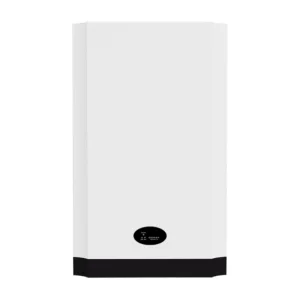
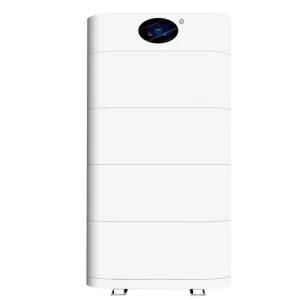
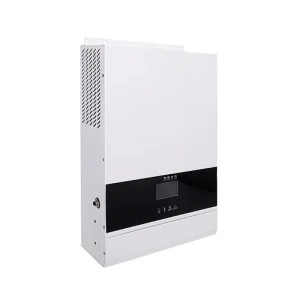
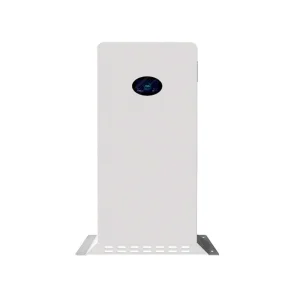
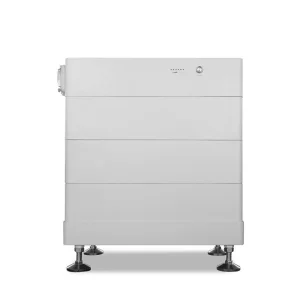
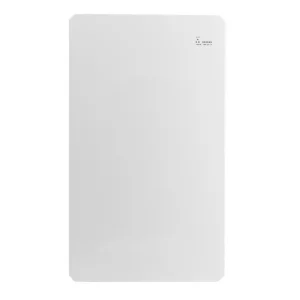
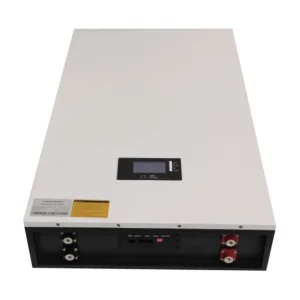
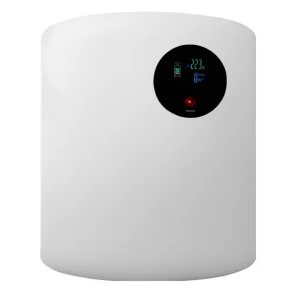
Explore our premium factory-direct home energy storage units, built to international safety profiles and engineered for maximum cycle efficiency.
Established in 2019, headquartered in the high-tech hub of Xiamen, China, Elemro Energy has established a position of market leadership in the new energy industry. We integrate R&D, precision manufacturing, and global sales channels to deliver turnkey electrical solutions.
Our engineered solutions serve more than 250 diverse institutional, commercial, and residential clients across Europe, Southeast Asia, Africa, the Middle East, and North America. Annual revenue has experienced rapid compounding growth, surpassing 50 million USD in 2023.
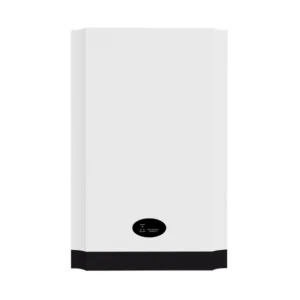
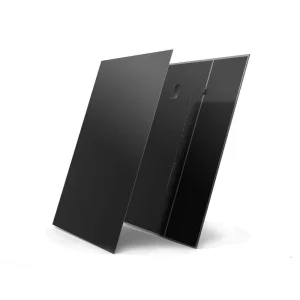
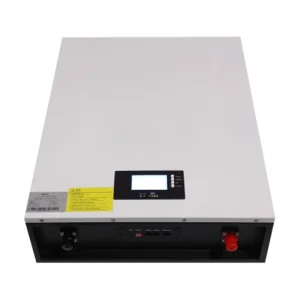
By leveraging advanced raw material access, we continuously optimize our primary solutions: high-voltage solar batteries, compact wall-mounted home storage, energy container architectures, and advanced cadmium telluride (CdTe) thin-film building integrations.

High-transmittance photovoltaic glass optimized for structural BIPV and utility-grade module assemblies.
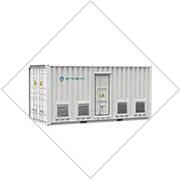
Megawatt-scale thermal-regulated containerized battery storage configurations for industrial grid balance.
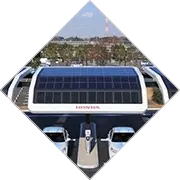
Structural steel framing combined with high-yield solar arrays for residential and commercial vehicle shading.
The global transition toward decentralized power systems highlights the growing importance of the home solar system with battery storage. Selecting a reliable manufacturer requires a clear understanding of production chemistry, battery management system (BMS) architectures, and global supply chain dynamics. This guide analyzes how advanced manufacturing facilities operate, focusing on reliability, quality control, and system safety.
Chinese battery manufacturing facilities lead the global market through integrated production ecosystems, raw material access, and advanced automation. This concentration of the supply chain enables benefits that extend beyond simple economies of scale:
A major focus of modern BESS manufacturing is system safety. High-quality production lines follow strict quality management systems (QMS) and secure international certifications to ensure product compliance across different regions:
UN38.3 & MSDS: These protocols test batteries under extreme physical conditions, including altitude simulation, thermal shock, vibration, impact, external short-circuits, and overcharging, to ensure safety during international transit.
UL9540 and UL9540A: Standardized testing methods evaluate thermal runaway fire propagation in residential energy storage systems. Compliance indicates that the enclosure, BMS, and chemistry design can contain thermal runaway events to prevent hazards to nearby structures.
IEC 62619 & CE Marking: Required for European installations, these standards verify that safety systems operate properly under electrical, thermal, and mechanical stress, certifying safe operation under normal and single-fault conditions.
Most modern residential energy storage systems use Lithium Iron Phosphate (LiFePO4) over Nickel Cobalt Manganese (NCM) chemistry. The choice is driven by differences in cost, thermal characteristics, and cycle life:
| Performance Parameter | Lithium Iron Phosphate (LiFePO4) | Nickel Cobalt Manganese (NCM) |
|---|---|---|
| Thermal Runaway Temp | ~270°C (High structural stability) | ~210°C (Lower threshold) |
| Standard Cycle Life | 6,000+ cycles at 80% DoD | 2,000 - 3,000 cycles at 80% DoD |
| Environmental Impact | Cobalt-free, lower toxicity risk | Contains Cobalt and Nickel |
| Typical Application | Stationary energy storage (BESS) | Electric Vehicles (EVs), portable electronics |
When selecting systems from manufacturers, global buyers choose between low-voltage (48V/51.2V) and high-voltage (typically >150V to 400V) architectures. The choice impacts system cost, conversion efficiency, and installation complexity:
Low-Voltage (LV) Systems: Typically run around 48V nominal. They are widely used, simple to install, and safe for residential technicians to handle without specialized high-voltage training. However, they require thicker cabling to handle high current loads, which can increase transmission losses over longer distances.
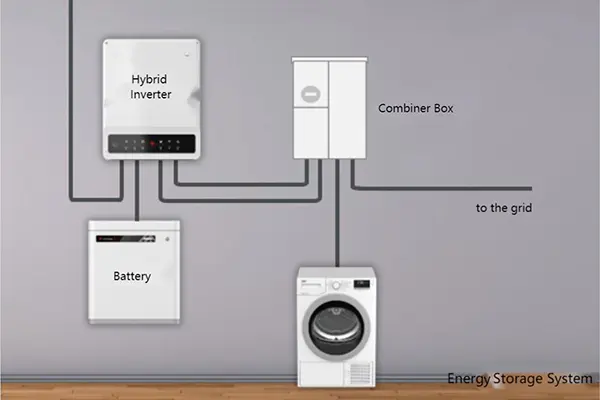
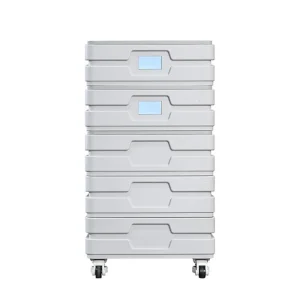
High-Voltage (HV) Stackable Systems: Series-connected cells increase the nominal voltage of the pack to match or exceed the inverter's DC bus operating range (often 300V-400V). High-voltage configurations reduce current requirements, allowing for thinner cabling, smaller footprints, and improved conversion efficiency, particularly when coupled with hybrid solar inverters.
Modern BESS solutions serve a range of applications beyond standard grid backup. System designs are optimized for specific operational profiles:
Answers to technical queries regarding factory direct supply, testing standards, and product deployment.
Our LiFePO4 cells are rated for more than 6,000 complete charge/discharge cycles at 80% Depth of Discharge (DoD) before reaching 80% of their original nominal capacity. Under typical operational profiles (one full cycle per day, operating within a 15°C to 35°C temperature window), this translates to an expected service life of 12 to 15 years.
The internal BMS monitors cell voltage, pack temperature, and system current in real time. It uses multi-stage protection to prevent over-charging, over-discharging, and over-current conditions. If cell temperatures rise above defined thresholds, the BMS disconnects the relay to isolate the fault, preventing thermal propagation across the module.
Our batteries support CAN, RS485, and RS232 communication interfaces. They are pre-configured with protocols for major hybrid inverter manufacturers, including SMA, Victron Energy, Growatt, GoodWe, Deye, and Solis, ensuring plug-and-play setup for installers.
Yes. Our factory provides customization services, including adjustable sheet metal enclosure designs, custom silk-screen branding, specific voltage and capacity scaling, and bespoke BMS protocols to match regional market demands.
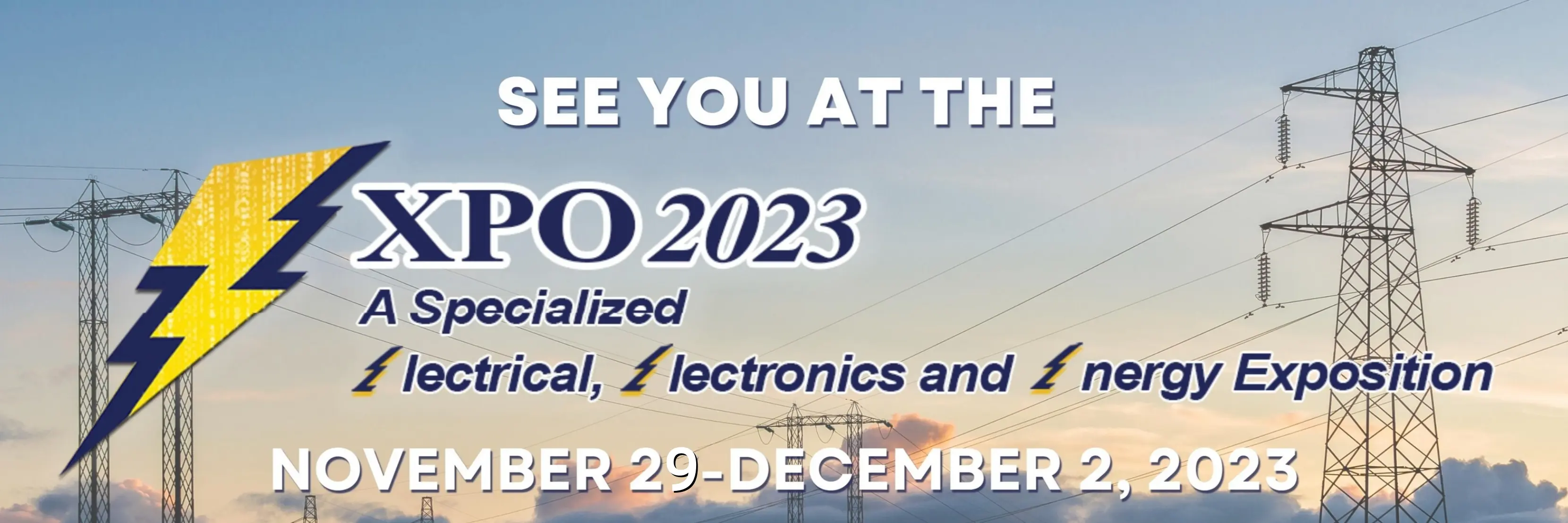
Stay updated with the latest technological developments, exhibition schedules, and implementation guides from our global engineering teams.
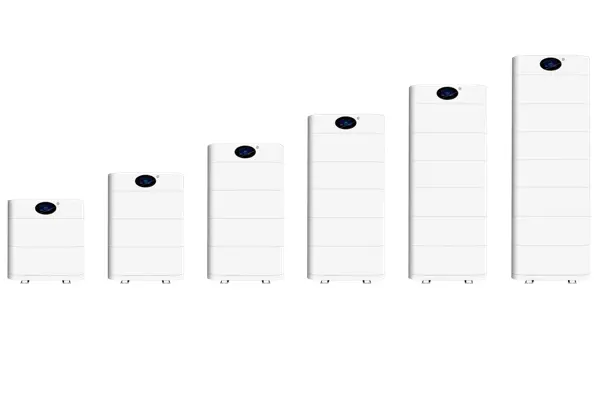




Discover our high-voltage and modular stackable energy storage models designed for long runtime and complex power loads.
Connect with ELEMRO Energy experts for tailored BESS configurations, shipping logistics, and industrial factory-direct pricing structures.
Inquiry For Pricelist Elemro Energy