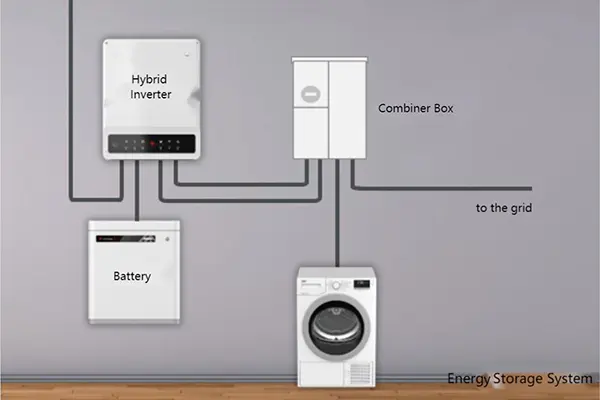
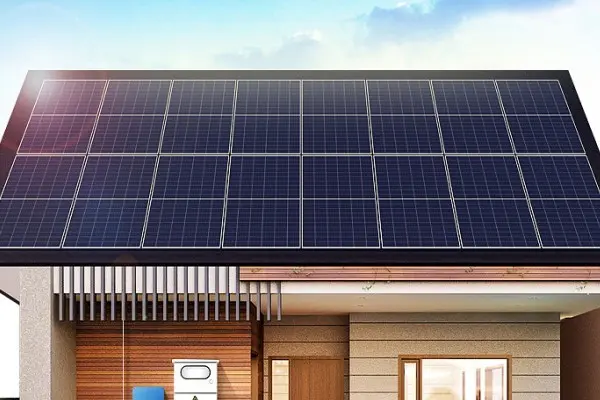
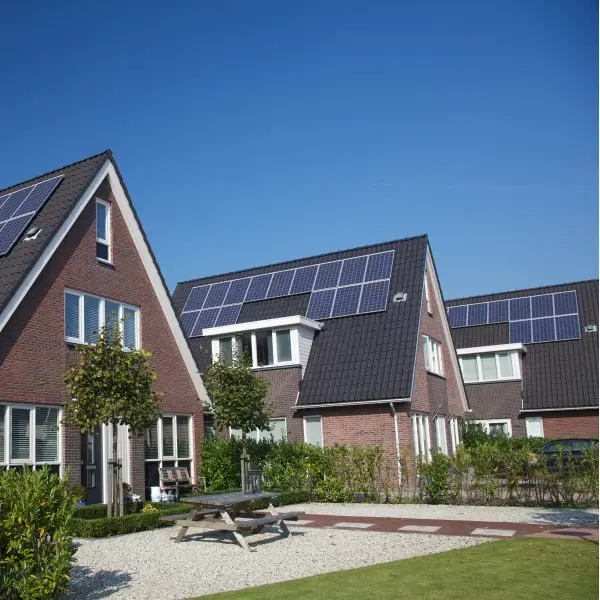
The global residential energy paradigm is experiencing a fundamental structural shift. Homeowners and small commercial entities are transitioning from passive grid consumption to active, decentralized prosumership. As volatile electricity pricing, localized distribution grid instability, and climate-induced blackouts escalate worldwide, the combination of photovoltaic (PV) solar systems and high-efficiency home battery storage has emerged as the premier mechanism for grid resilience and fiscal predictability.
Modern battery storage is not merely a backup generator replacement. It functions as the central node of a home’s smart microgrid. By utilizing advanced Lithium Iron Phosphate (LiFePO4) chemistries, these systems govern daily cycles of peak shaving, load shifting, and emergency backup, optimizing the localized levelized cost of energy (LCOE). Achieving a sustainable energy future requires engineered solutions that offer long cycle lives (6000+ deep discharge cycles), advanced battery management systems (BMS), and native compatibility with both high-voltage and low-voltage hybrid inverter architectures.
"Integrating intelligent battery storage directly with solar installations yields an average offset of up to 85% of grid reliance for modern households, scaling carbon reduction metrics while maintaining constant uptime during power grid disruptions."

Building Integrated Photovoltaics (BIPV) utilizing specialized glass design for architectural and structural energy generation.
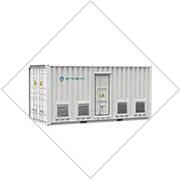
Utility-scale and heavy C&I megawatt-class battery container containers for grid-level load balancing and microgrids.
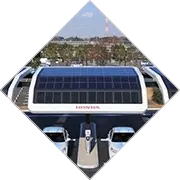
Structural EV charging hubs that convert standard parking structures into active green power generating systems.
Established in 2019, and headquartered in the high-tech trade hub of Xiamen, China, ELEMRO Energy has specialized in engineering new energy storage and electrical product solutions. Combining advanced research and development (R&D), automated ISO-certified production lines, and dedicated international sales networks, ELEMRO stands as a market leader in China's clean energy production ecosystem.
By continually reinvesting in cell safety protocols and power electronics compatibility, our systems have been successfully integrated across Europe, Southeast Asia, Africa, the Middle East, and the Americas, supporting more than 250 enterprise clients. ELEMRO's annual turnover is expected to exceed 50 million USD in 2023, driven by a commitment to reliability, performance, and localized grid solutions.
Understanding the supply chain architecture is key to sourcing the best home battery storage with solar. China's energy storage manufacturing ecosystem is currently the global benchmark for scale, material refinement, and engineering density. This concentration provides distinct advantages for global procurement partners and EPC contractors:
From lithium refining and precursor active material manufacturing to cell production and system integration, Chinese facilities leverage proximate supply chains to mitigate global supply volatility.
Gigawatt-scale manufacturing processes significantly reduce per-watt-hour assembly costs, allowing project managers to maximize their return on investment (ROI) without compromising system reliability.
Modern facilities employ automated optical inspection (AOI), X-ray validation, and precise cell capacity sorting. This ensures minimal degradation delta and maintains balance across large series strings.
For residential solar applications, Elemro Energy utilizes Lithium Iron Phosphate (LiFePO4) as the core chemistry. This choice is based on specific performance and safety metrics:
| Metric Parameters | Lithium Iron Phosphate (LiFePO4) | Nickel Manganese Cobalt (NMC) |
|---|---|---|
| Thermal Runaway Temp | ~270°C (Highly Stable) | ~210°C (Volatile) |
| Cycle Life (80% DoD) | 6000+ Full Cycles | 2000 - 3000 Cycles |
| Environmental Footprint | Cobalt-Free, Low Toxicity | Requires Cobalt, Higher Footprint |
| Voltage Curve Stability | Flat discharge voltage profile | Declining voltage during discharge |
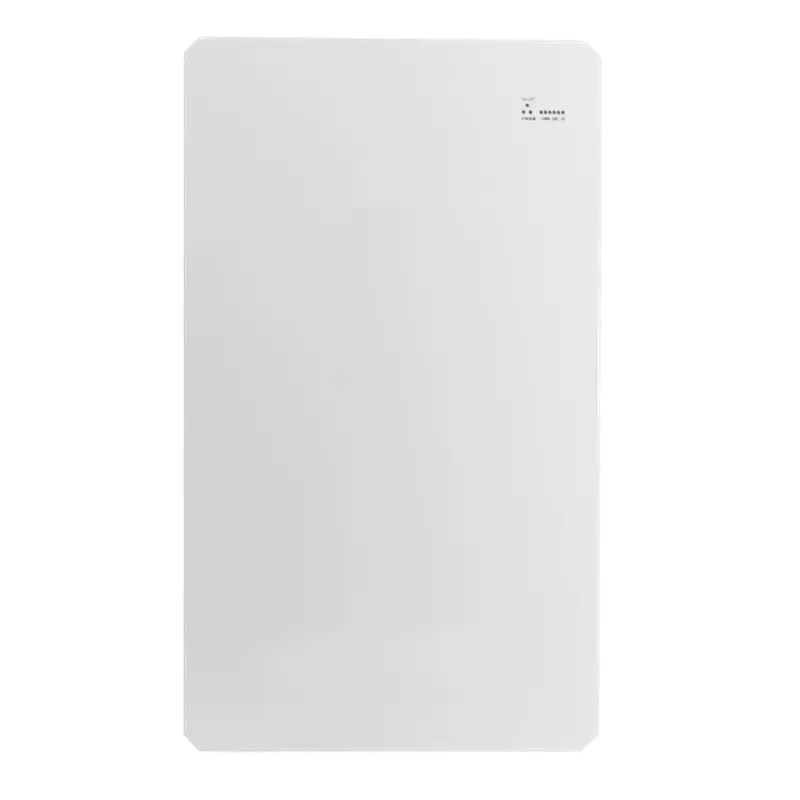
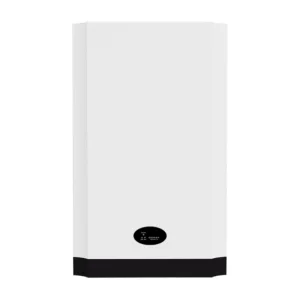
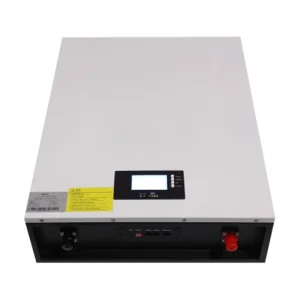
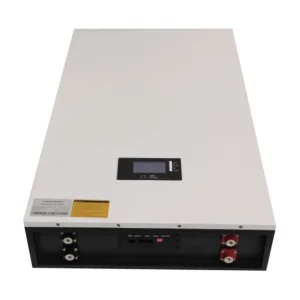
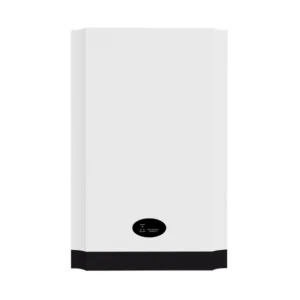
Optimized shell layout featuring quick-connect terminals and integrated safety management.
Technical Data Sheet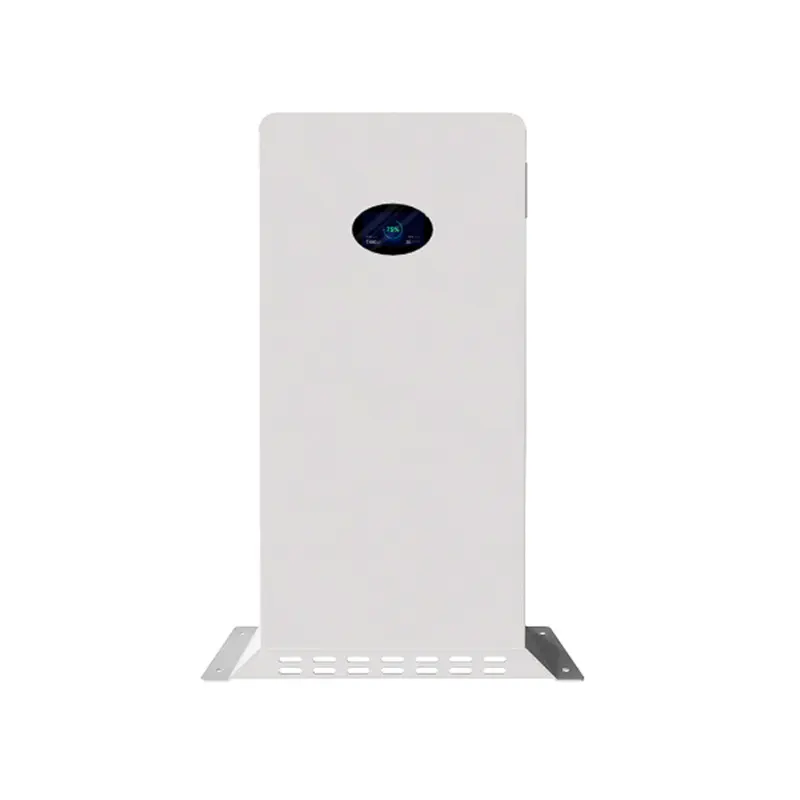
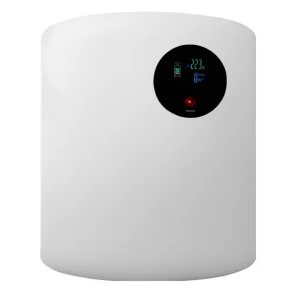
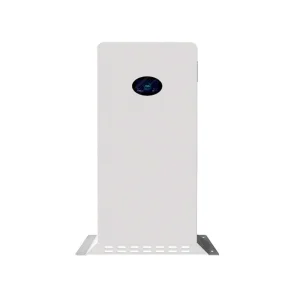
High capacity configuration for larger residential units seeking independent off-grid capabilities.
Technical Data Sheet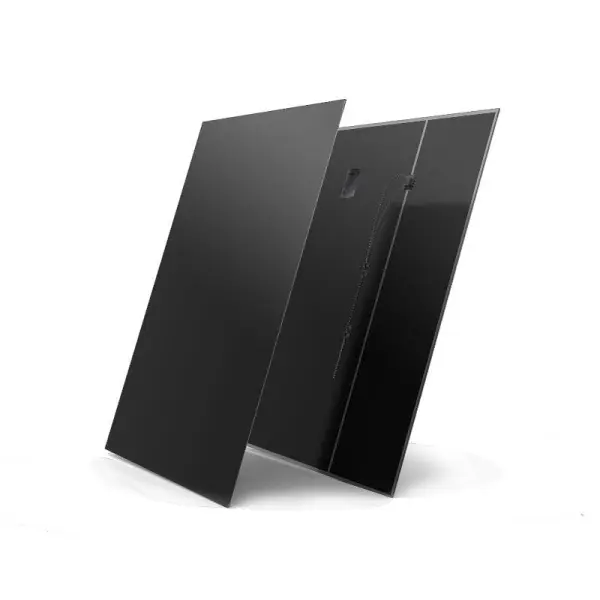
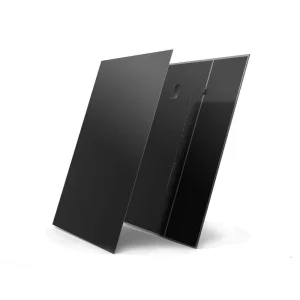
Advanced BIPV thin-film panels designed for structural architectural PV integration.
Technical Data Sheet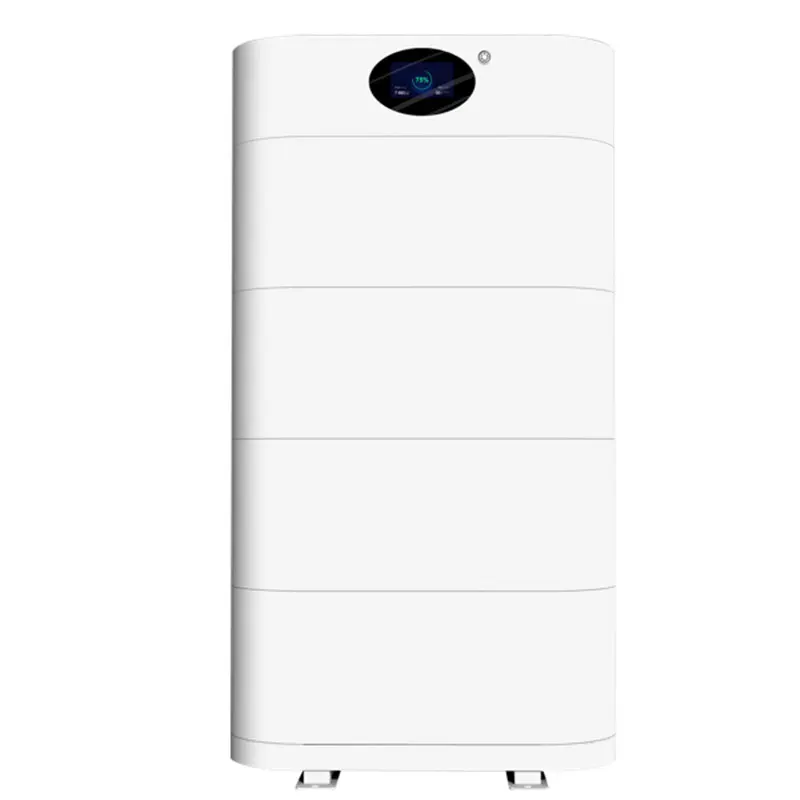
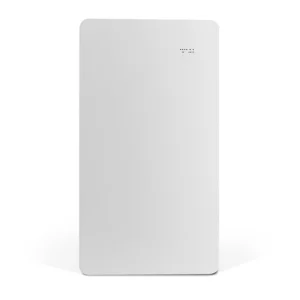
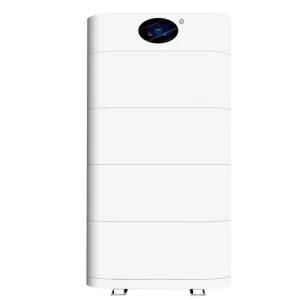
High voltage series connection designed to optimize conversion efficiency in hybrid systems.
Technical Data Sheet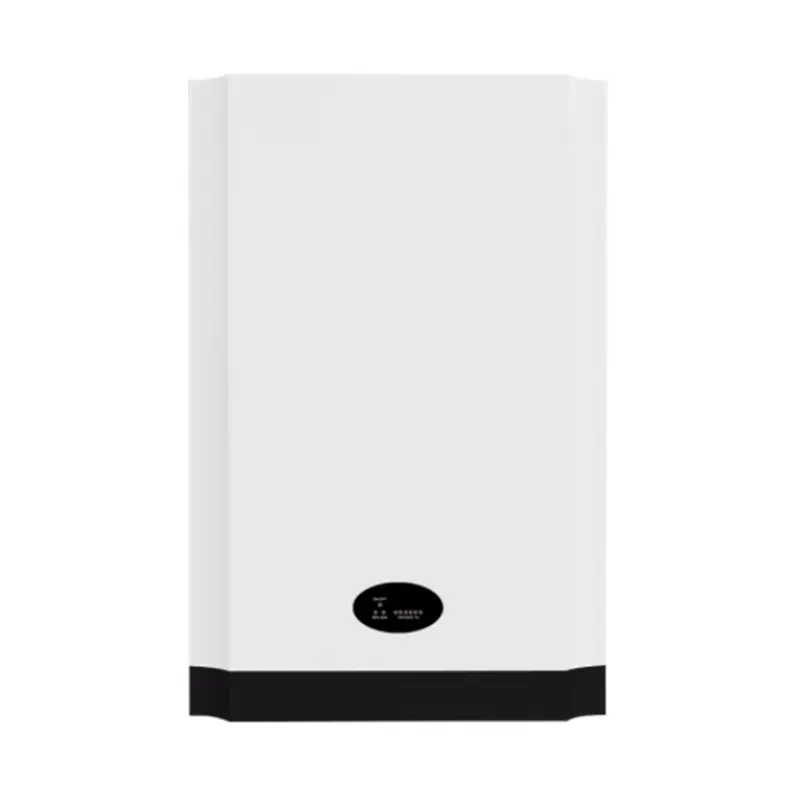
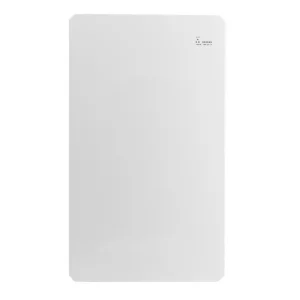
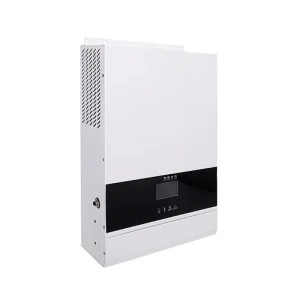
Standard low-voltage household unit featuring smart communication links and modular design.
Technical Data Sheet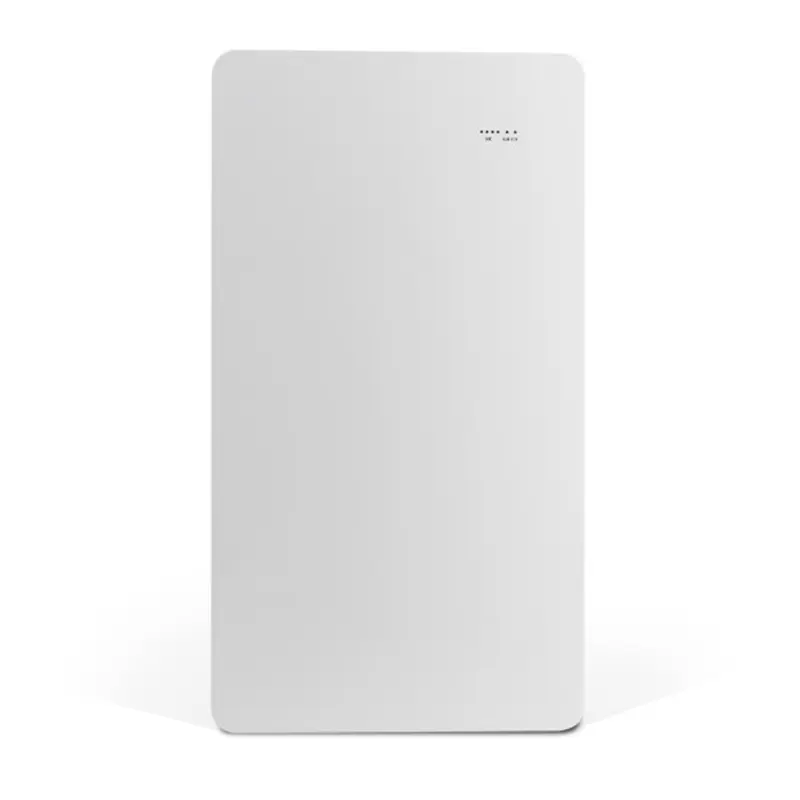
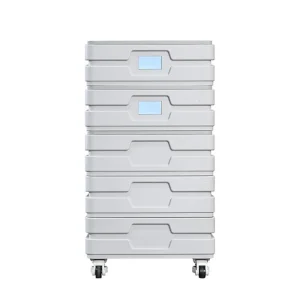
Extended storage system designed to support full household loads during extended grid outages.
Technical Data SheetThe energy transition is accelerating. To maintain a competitive edge, distributors and system developers should monitor several key trends:
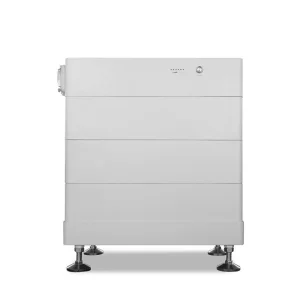
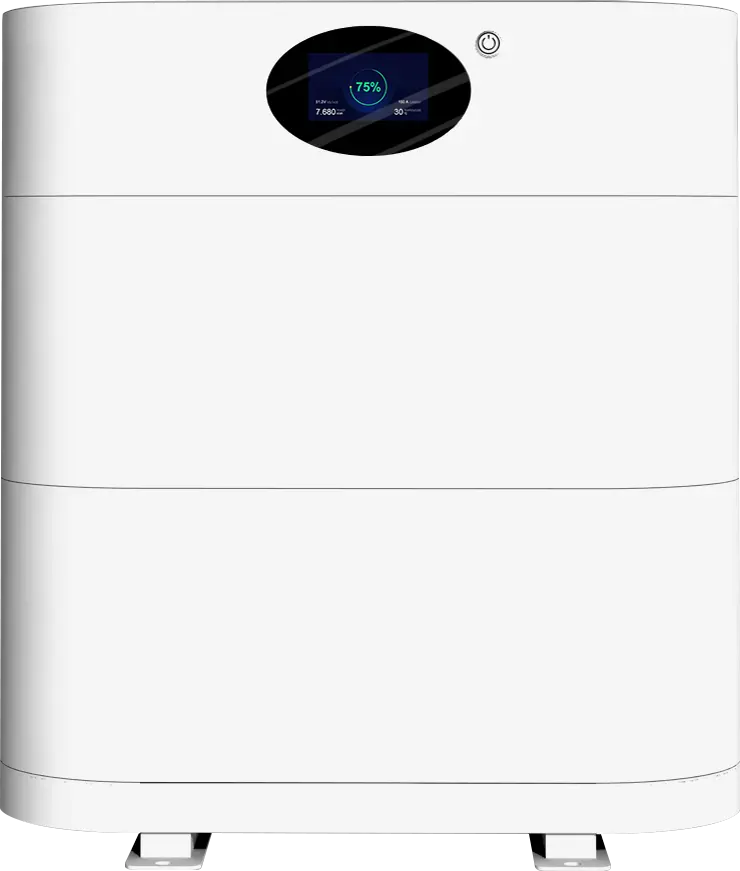
While 48V systems remain a standard option for small installations, the market is increasingly shifting toward high-voltage architectures (100V to 400V+ DC). High-voltage configurations decrease current flow across transmission paths, which minimizes energy losses as heat and reduces the copper gauge requirement for wiring. This improves round-trip efficiency and simplifies installation. Our High Voltage Stacked Energy Storage Batteries are designed to meet this demand, offering optimized integration with modern hybrid inverters.
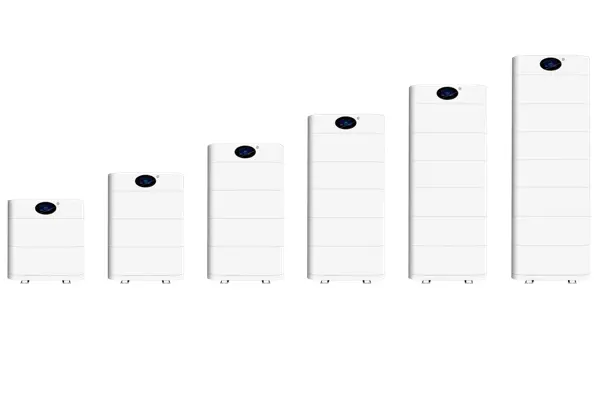
Fixed-capacity systems are being replaced by modular, stackable designs. Modular units allow installers to configure capacity according to specific residential requirements, which can then be expanded as energy demands grow (for example, after adding an electric vehicle). This simplifies inventory management for distributors, as a single modular product SKU can address energy requirements ranging from 5kWh to over 40kWh.
Smart BMS units now integrate with local AI controllers to process external datasets, including weather forecasts and real-time spot electricity tariffs. This enables predictive cycling, charging during low-cost utility periods and discharging during peak rates to optimize financial returns.
Urban microgrids increasingly utilize building surfaces for power generation. Integrating technology like Elemro CdTe Cadmium Tellurium Thin Film Solar Cells allows building facades to generate power, offering performance advantages in low-light and high-temperature conditions compared to conventional silicon panels.
Residential energy storage configurations vary based on local grid topology, environmental conditions, and regulatory environments. Here we examine four common localized application scenarios:
Designed for remote regions with limited utility access. Systems integrate solar generation with high-voltage stackable battery units and dual-input hybrid inverters to ensure stable power delivery without grid support.
Tailored for metropolitan areas with time-of-use (TOU) tariffs. The system schedules battery charging during low-tariff hours and discharges to support home loads during peak pricing windows, reducing utility costs.
Combines structural solar carports with high-capacity storage. This layout buffers the high current draw of fast EV chargers, preventing voltage drops and peak demand charges from the utility.
For large-scale commercial and industrial applications, localized residential batteries can be scaled up to containerized systems. ELEMRO's Energy Storage Containers integrate liquid cooling, automated fire suppression (using Novec 1230 or Aerosol systems), and megawatt-scale power conversion systems (PCS). These units are suited for community microgrids, industrial facilities, and solar farm stabilization projects.
Connect with ELEMRO's application engineering team. We provide full system diagrams, inverter compatibility lists, and detailed B2B price lists within 24 hours.
For utility developers, B2B distributors, and solar EPC companies, selecting an energy storage partner involves several technical and logistical considerations. Below is a framework for evaluating potential manufacturing partners:
Low-voltage (48V) systems typically operate at higher currents to deliver equivalent power, which results in greater resistive heat losses along transmission cables. High-voltage (HV) stacked systems (typically 200V–400V+) operate at lower current levels. This design reduces conversion and transmission losses, improving system-wide round-trip efficiency by approximately 3% to 6% compared to low-voltage configurations.
The integrated BMS monitors cell parameters, including individual cell voltages, current flow, and temperatures across multiple sensor points. It uses passive or active cell balancing algorithms to distribute charge evenly across the series strings. Additionally, it provides protection against over-charge, over-discharge, over-current, short circuits, and thermal runaways.
CdTe thin-film solar glass offers a lower temperature coefficient than standard crystalline silicon, meaning its power output remains more stable in high-temperature environments. It also performs better in diffuse light conditions, such as on vertical building facades that experience shading, making it suitable for architectural BIPV integrations.
For optimal performance, it is recommended to pair modules of the same capacity, age, and internal resistance within a single stack. Adding new battery modules to an older stack can lead to performance imbalances, as the BMS will typically limit the entire system's capacity to match the weakest module in the string.
European installations typically require CE marking along with compliance to IEC 62619 and EN 62485-2. For the North American market, UL 1973 (for the battery pack) and UL 9540 (for the integrated system with inverter) are standard requirements, along with UN 38.3 certification for transport safety.




 Elemro Energy