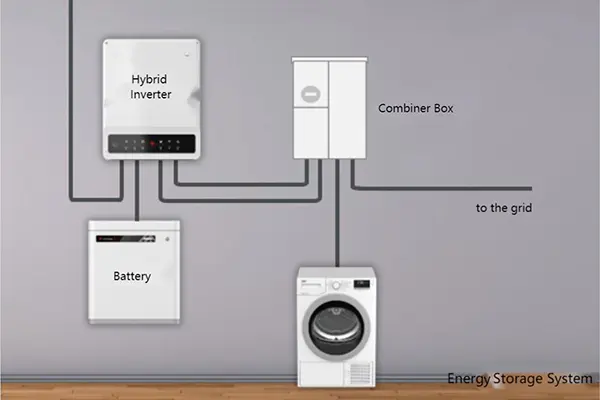
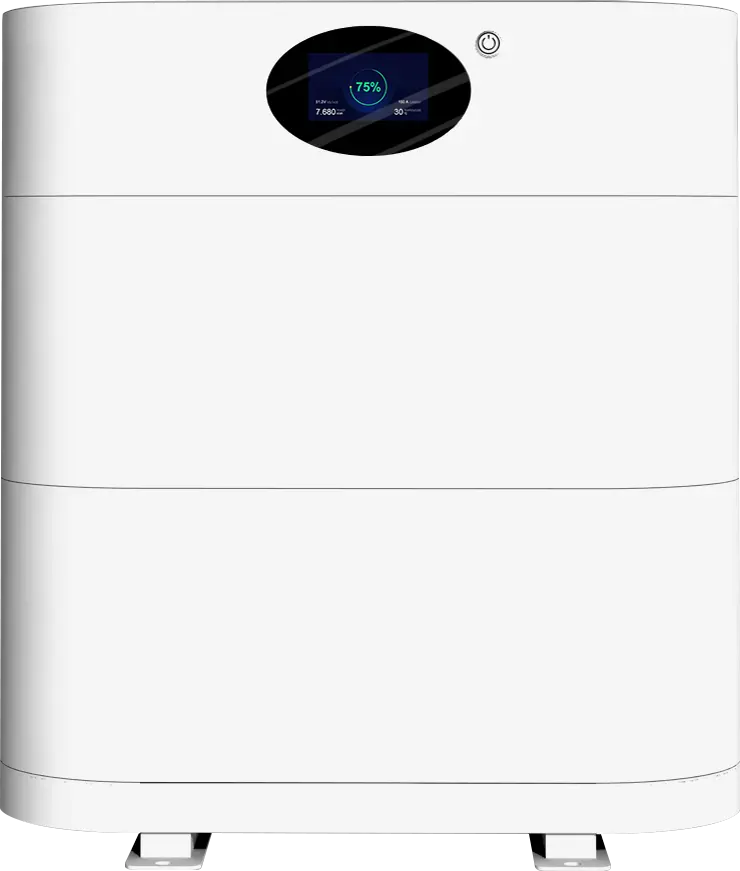
Explore our highly integrated, ultra-reliable residential energy storage solutions engineered for modern distributed energy resources (DERs).
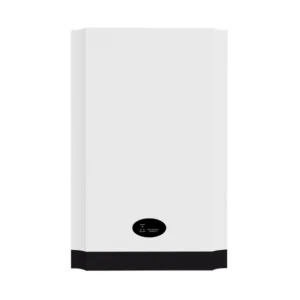
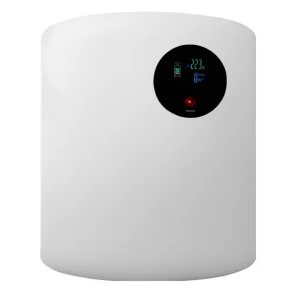
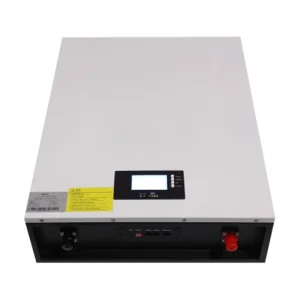
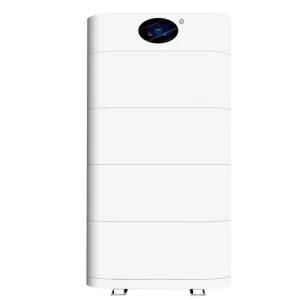
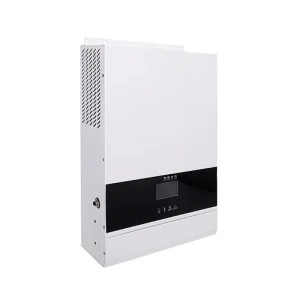
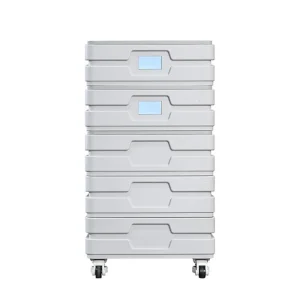
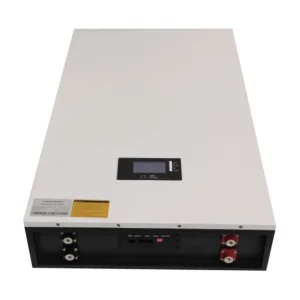
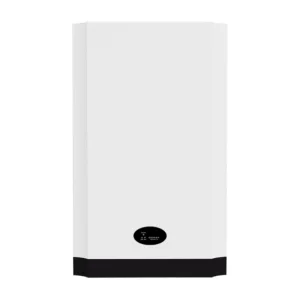
Global energy networks are undergoing an unprecedented structural transition. Volatile utility rates, combined with aggressive carbon neutrality policies, have transformed residential energy storage from a niche technology for off-grid enthusiasts into a critical economic infrastructure asset for modern homeowners. By integrating lithium-iron phosphate (LiFePO4) chemistry with intelligent energy management software, today's home battery systems offer levels of self-reliance, security, and economic value that were impossible just a decade ago.
This whitepaper details the structural dynamics, technical specifications, and key supply chain elements driving the residential ESS sector. We evaluate the core engineering requirements necessary to design a reliable, scalable backup infrastructure capable of integrating seamlessly with photovoltaic (PV) systems, electric vehicle (EV) charging stations, and regional smart grids.
Unlike alternative nickel-manganese-cobalt (NMC) formulations, Lithium Iron Phosphate (LiFePO4) exhibits exceptional thermal stability and safety under fault conditions. With an ignition threshold of over 270°C and a robust structural configuration that resists oxygen evolution during decomposition, LiFePO4 eliminates the risk of catastrophic runaway reactions inside residential properties. It delivers a cycle life of 6000+ charges at 80% Depth of Discharge (DoD), ensuring over 15 years of daily operation.
We provide cleaner energy for a greener world through holistic, scalable green energy technologies.
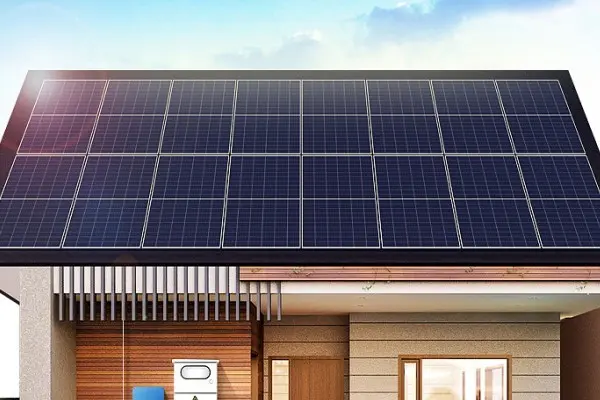
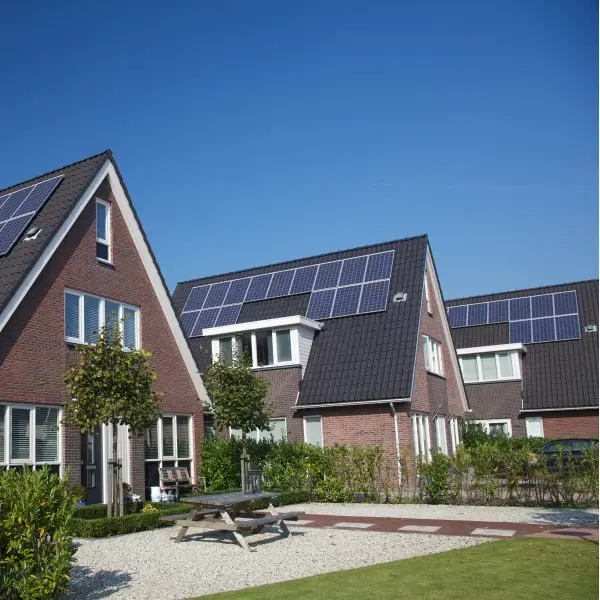
High-efficiency, building-integrated photovoltaic (BIPV) solutions that transform conventional building structures into active, clean power generators.
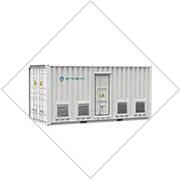
Industrial and commercial utility-scale liquid-cooled containerized systems engineered to balance local grids and support heavy industrial loads.
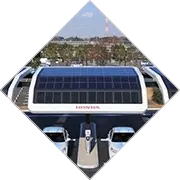
Distributed clean energy parking structures integrating high-density PV canopies with bidirectional EV charging infrastructures.
Our production facilities benefit from China's primary lithium industrial zones, including Xiamen, Yichun, and the Yibin-Chengdu lithium supply networks. This regional integration guarantees reliable access to premium raw materials and high-performance battery cells. It enables us to implement advanced manufacturing processes, such as automated laser cell welding, visual inspection AI, and high-frequency aging testing cabinets, ensuring every shipped battery pack performs reliably for years to come.
China produces more than 75% of the world's lithium-ion battery packs. This dominance is driven by an end-to-end industrial ecosystem that spans raw material mining, precursor chemical synthesis, cathode fabrication, BMS software development, and robotic assembly. These closely integrated networks significantly reduce transportation overheads, guarantee material consistency, and shorten lead times for global projects.
ELEMRO Energy relies on these regional supply chains to integrate high-density prismatic LFP cells with custom Battery Management Systems (BMS). The result is a series of compact, cost-efficient, and safety-tested power solutions built to survive extreme operational stress. This integrated supply model is the primary reason global B2B procurement managers rely on Xiamen-headquartered factories for residential and commercial ESS deployments.
Established in 2019 and headquartered in Xiamen, China, ELEMRO Energy has built a reputation as a leading innovator in new energy storage and electrical infrastructure solutions. The company's core operations unify research and development, manufacturing, and international trade, providing customers with reliable access to state-of-the-art battery technologies.
By serving more than 250 enterprise clients in key regions—including Europe, Southeast Asia, Africa, the Middle East, and the Americas—ELEMRO Energy has proved its capability to manage complex global compliance challenges. With our annual turnover expected to exceed 50 million USD in 2023, we continue to reinvest in next-generation R&D, structural safety tests, and smart grid communications protocols.
Our products undergo comprehensive certification pathways including IEC 62619, CE, UN38.3, and UL 1973, ensuring seamless customs clearances and regional grid approvals.
We work directly with engineering, procurement, and construction (EPC) companies to build reliable microgrid solutions. Our team of power engineers provides comprehensive consulting on cell layout, system thermal behavior, and inverter compatibility to guarantee project performance.
Explore our flagship systems, designed for performance, flexible installation, and long operational lifespans.
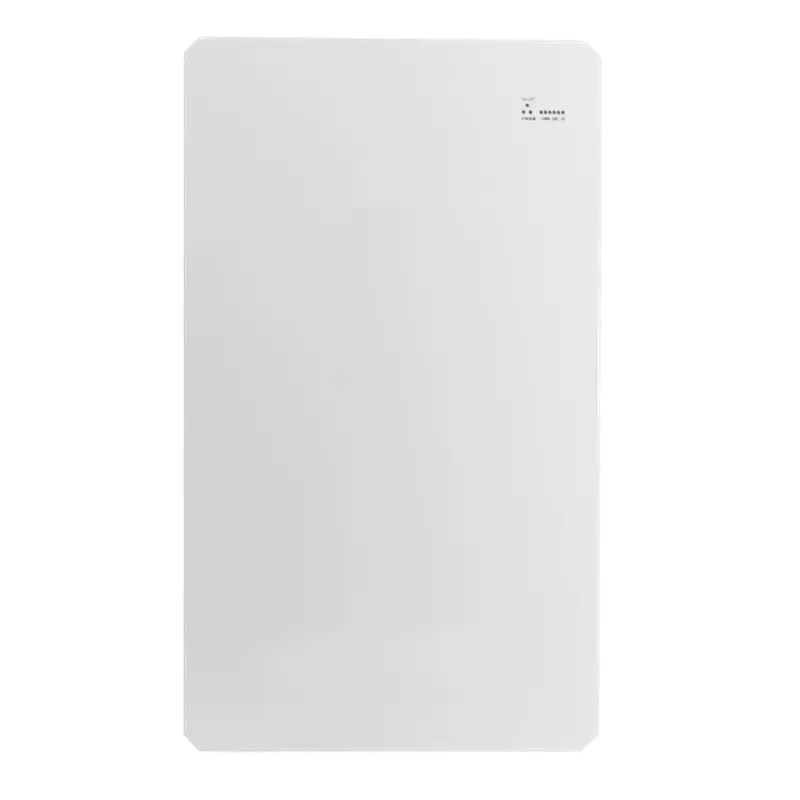
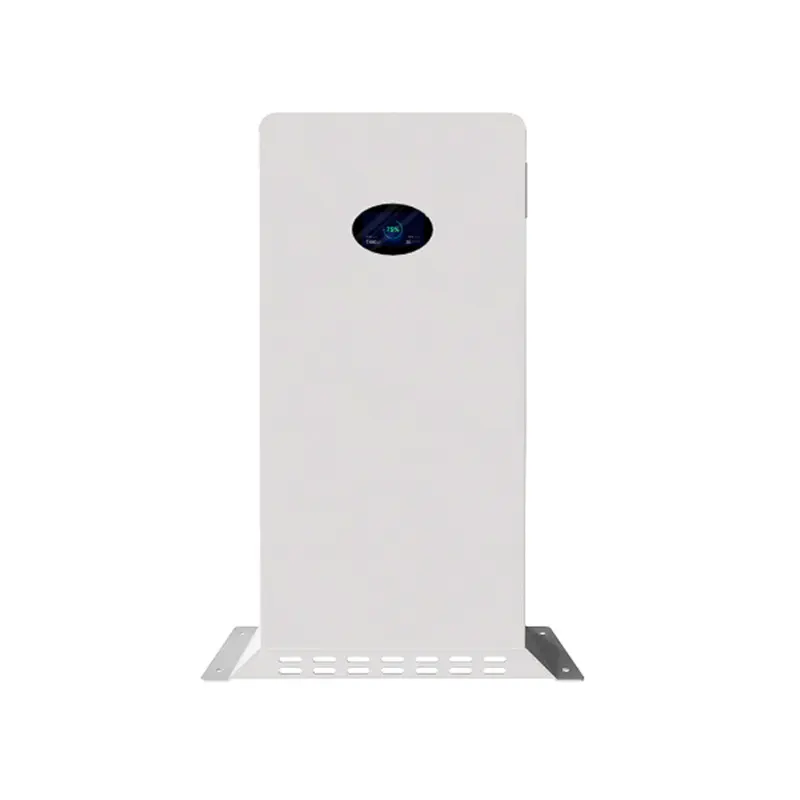
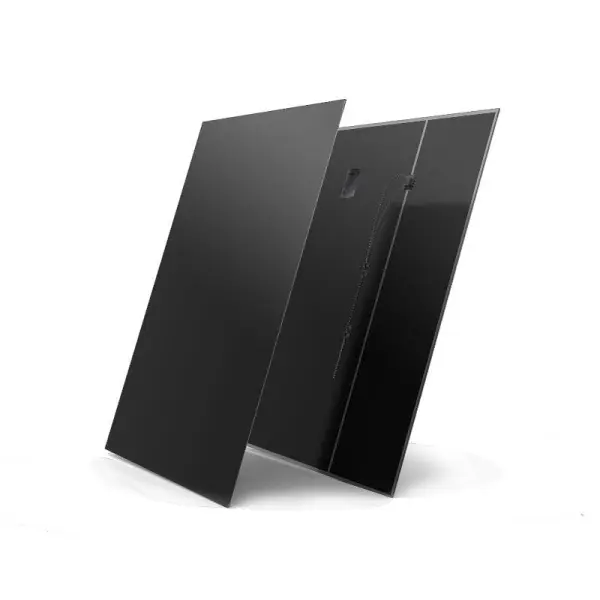
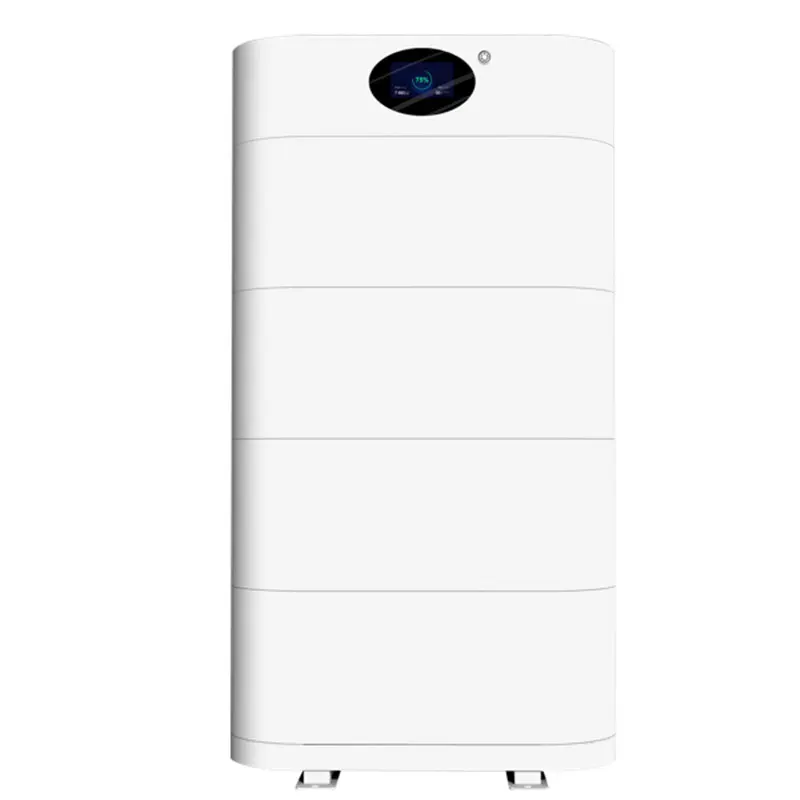
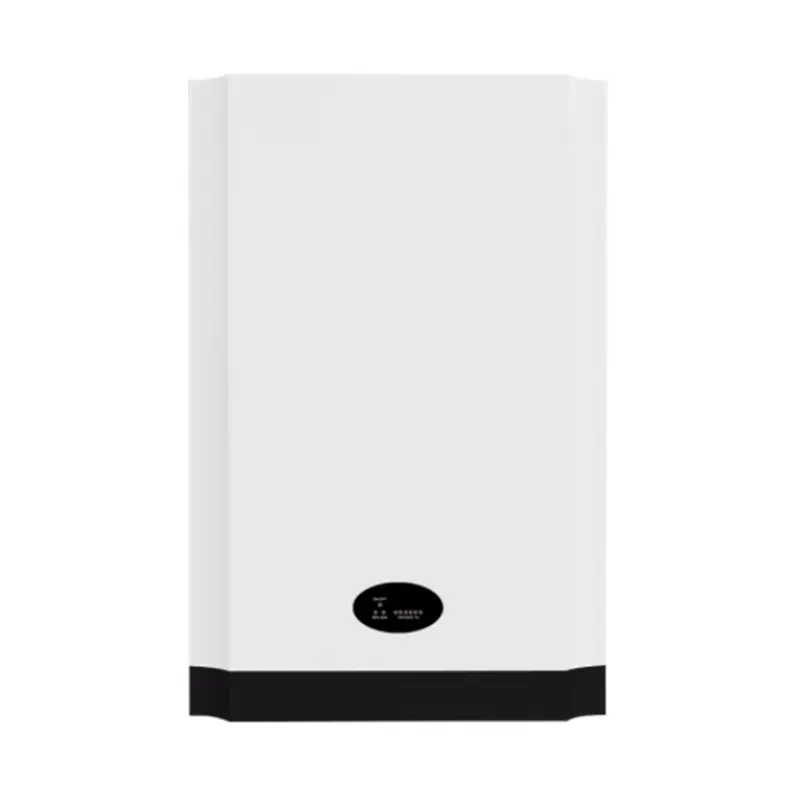
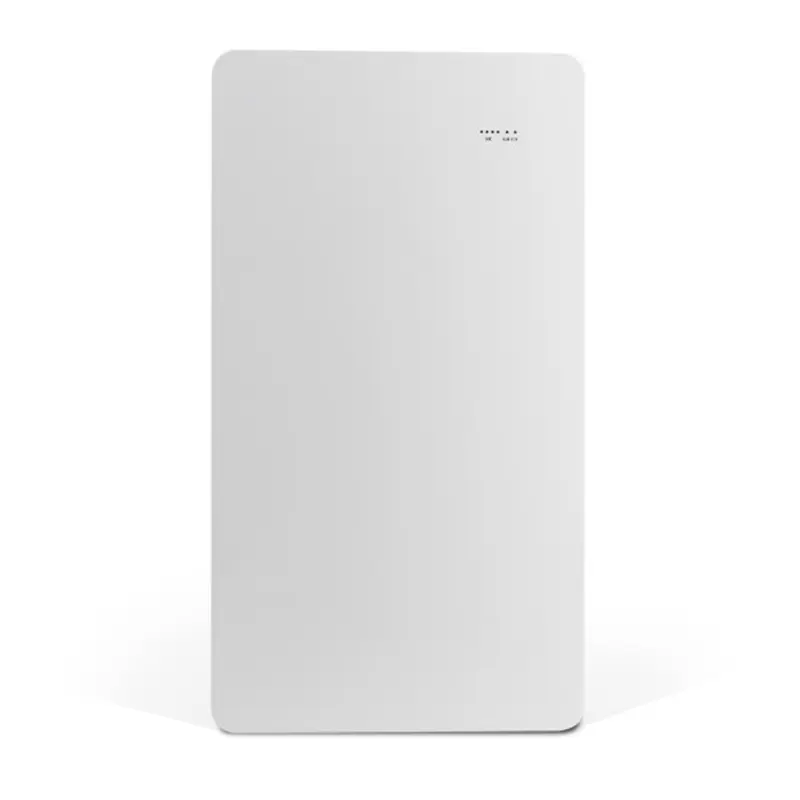
Deploying energy storage across diverse regulatory and climatic landscapes requires a deep understanding of local constraints. High-altitude microgrids in mountainous areas demand different thermal management and low-temperature performance compared to hot, tropical setups in Southeast Asia. Our technical division designs solutions tailored to three primary global application scenarios:
Perfect for regions with time-of-use tariffs. Home batteries charge during off-peak windows or from rooftop solar arrays, then discharge during high-tariff periods to minimize electricity costs.
For areas with unreliable grid infrastructure, our systems switch to standalone mode in less than 10 milliseconds, preventing operational disruptions for home offices and life-support devices.
Advanced configurations allow home batteries to export power back to regional grids via Virtual Power Plants (VPPs), creating new revenue streams for property owners.
When selecting a battery manufacturer for regional distribution networks or local project integration, procurement managers must evaluate several technical metrics:
Get answers to critical design, installation, and procurement questions from our engineering team.
Low-voltage (48V) setups are highly customizable and safer to install manually, making them popular in off-grid markets. High-voltage (HV) stacked systems connect cells in series, minimizing current-related resistance losses and improving efficiency for high-load residential and commercial installations.
LiFePO4 batteries operate efficiently from -10°C to 55°C. To maintain cell lifespan, smart BMS systems limit charge current at near-freezing temperatures. Our battery systems feature integrated thermal control systems to ensure reliable performance in diverse climates.
Our design team equips our battery packs with custom-developed BMS firmware that natively supports primary communication protocols. This guarantees plug-and-play installation with mainstream hybrid inverters from Deye, Growatt, GoodWe, Solis, and SMA.
Our battery packs deliver more than 6,000 cycles at 80% Depth of Discharge (DoD) under room temperature conditions. In typical residential installations with one full charge cycle per day, this translates to over 15 years of operational service.
Stay updated on product announcements, international industry exhibitions, and advanced technological analysis.
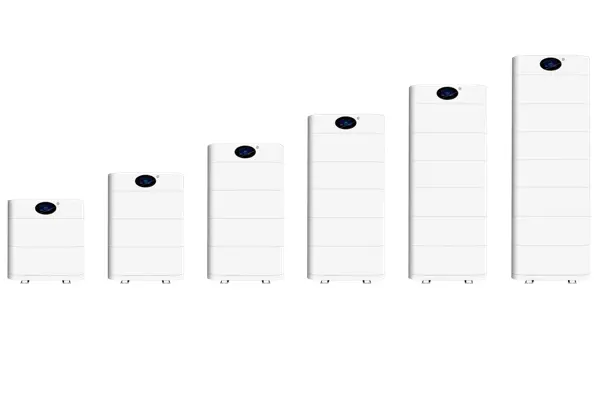
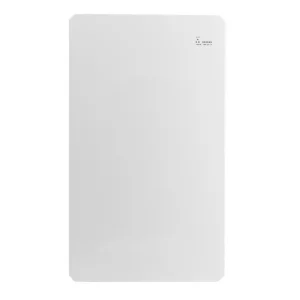
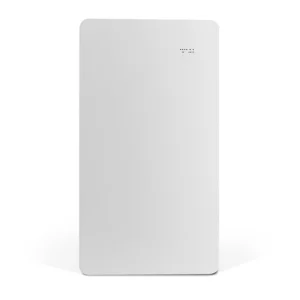
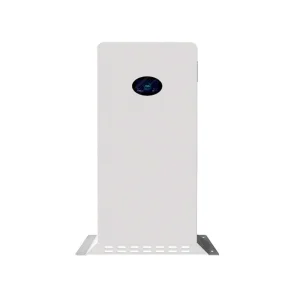
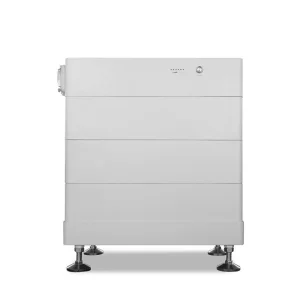
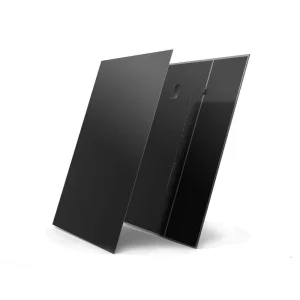
Select specialized equipment from our catalog, engineered for residential, commercial, and microgrid installations.
Get in touch with our engineering and sales teams to request detailed datasheets, factory inspection reports, and bulk pricing schedules.
We work with leading global test laboratories and components suppliers to deliver stable, high-performance battery systems.





 Elemro Energy