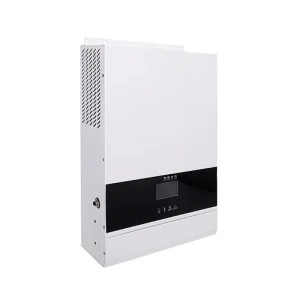
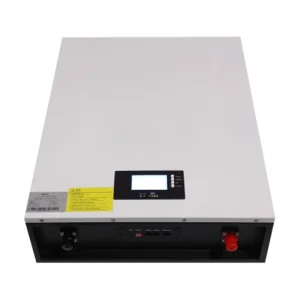
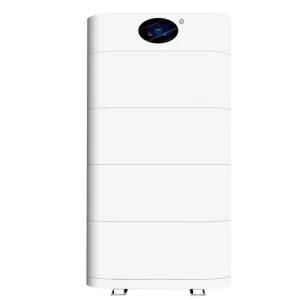
High-efficiency cells, state-of-the-art BMS controllers, and integrated power modules
The global transition toward decentralized power generation relies heavily on high-density electricity storage devices. As national grids face increasing volatility due to the intermittent nature of wind and solar sources, commercial and industrial (C&I) sectors are adopting behind-the-meter battery storage to ensure power reliability, protect against peak tariff spikes, and advance corporate sustainability goals.
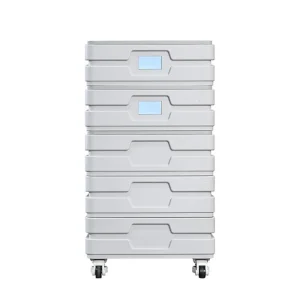
According to recent industrial energy outlooks, the global utility-scale and C&I energy storage market is projected to grow at a Compound Annual Growth Rate (CAGR) exceeding 25% over the next decade. Industrial facilities, data centers, hospitals, and logistical centers are shifting away from diesel-powered backup generators in favor of high-capacity Lithium Iron Phosphate (LiFePO4) and stacked high-voltage energy storage systems (ESS). These advanced configurations integrate solar energy storage, enabling facilities to achieve greater grid autonomy.
In regions with dynamic energy pricing models, such as Europe and North America, C&I electricity storage systems serve as critical tools for economic optimization. Through automated load leveling, companies store lower-cost power during off-peak hours and discharge it during peak times, lowering overall demand charges.
China remains at the center of the global new energy supply chain. The efficiency of Chinese energy storage factories is rooted in deep supply chain integration, from raw mineral processing to advanced battery cell assembly. Facilities in major industrial zones, such as Fujian and Guangdong, benefit from local access to high-grade lithium carbonate, cathode/anode precursors, and automated manufacturing systems.
"China's manufacturing efficiency lies not only in raw capacity, but in the rapid development and optimization of battery management technologies. Chinese factories quickly bring high-voltage stacked ESS systems from the design phase to international certification."
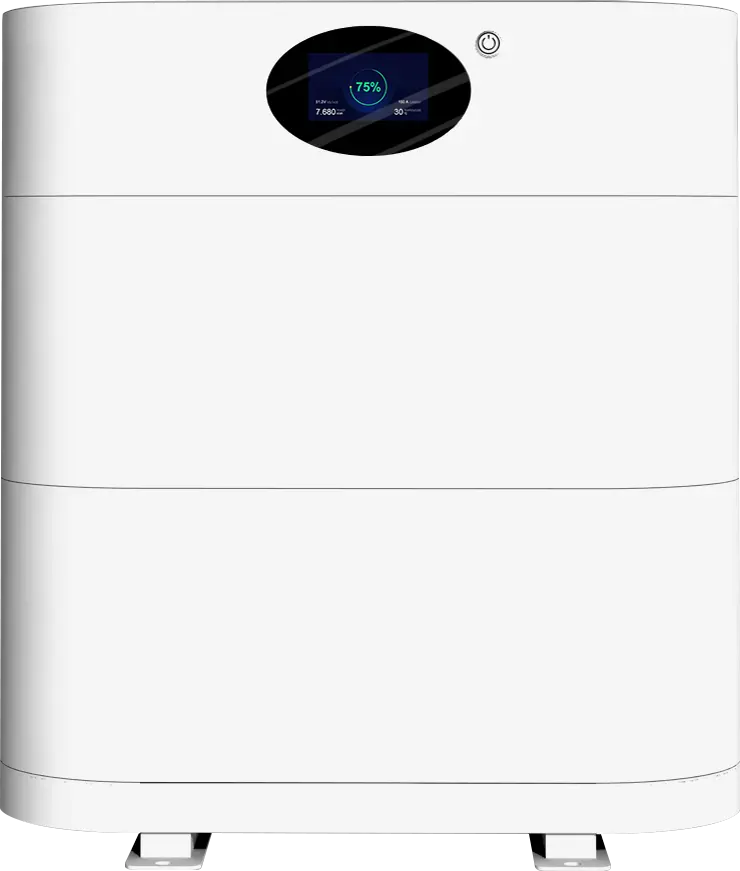
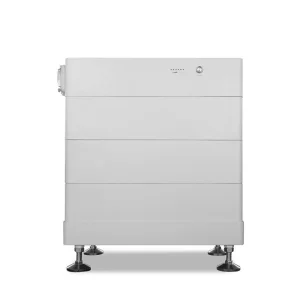
By implementing advanced automation, robotic assembly lines, and AI-driven quality inspection protocols, Chinese factories achieve tight production tolerances and cell consistency. This level of quality control is essential for preventing thermal runaway in large-scale multi-rack configurations. These processes enable manufacturers to produce cost-effective, high-capacity products like the Elemro SHELL 14.3kWh and stacked high-voltage batteries that comply with global safety standards, including UL 1973, CE, and IEC 62619.
Vertical supply chain integration minimizes transport costs for raw materials, allowing manufacturers to offer competitive pricing per kilowatt-hour (kWh).
Top factories operate under ISO 9001 and ISO 14001, conducting extensive testing for vibration, thermal stress, impact resistance, and long-term cycling.
Agile engineering teams modify firmware, optimize communication protocols (CAN/RS485), and adjust outer casing form factors to fit project requirements.
Established in 2019 and headquartered in Xiamen, China, ELEMRO Energy specializes in new energy storage and electrical product solutions. As an industry leader, the company integrates R&D, manufacturing, and international sales.

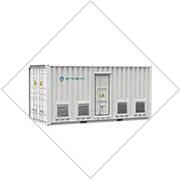
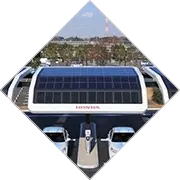
ELEMRO Energy has expanded its distribution network to serve over 250 customers across Europe, Southeast Asia, Africa, the Middle East, and the Americas. The company has maintained steady revenue growth since its inception, with annual turnover projected to exceed $50 million USD.
Energy storage hardware must be adapted to local grid standards, climate conditions, and specific regulatory demands. Below are the primary deployment scenarios where ELEMRO Energy solutions are used:
For factories with high inductive load demands (such as metal stamping or chemical processing plants), electricity storage systems lower peak demand charges. By discharging power during peak load cycles, these devices reduce the burden on local distribution transformers and help prevent utility penalties.
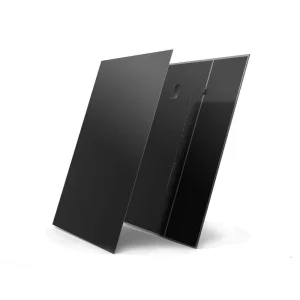
Building-Integrated Photovoltaics (BIPV) demand specialized thin-film solar components, such as Cadmium Telluride (CdTe) thin-film solar cells. When paired with high-voltage battery storage, commercial complexes can generate, store, and utilize solar energy within the building's facade, reducing structural footprint and improving overall efficiency.
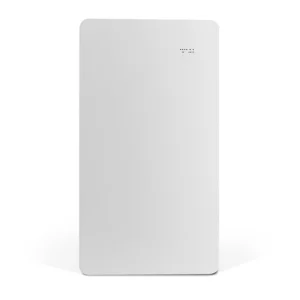
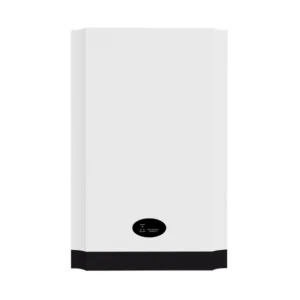
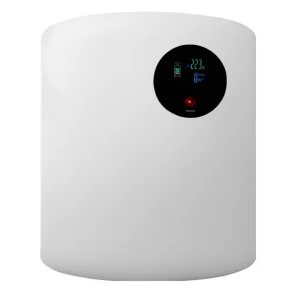
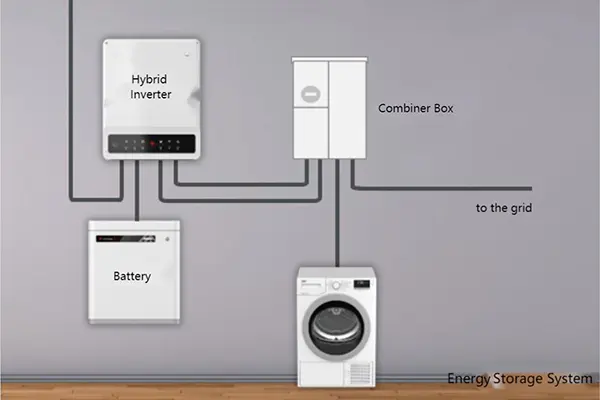
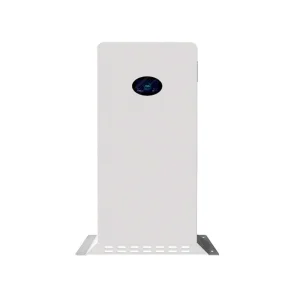
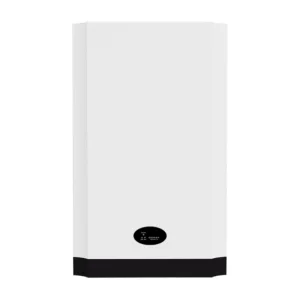
In areas prone to grid instability or frequent extreme weather events, wall-mounted lithium battery systems like the Elemro WHLV series provide reliable backup power. These systems switch over in less than 10 milliseconds, keeping critical home appliances, heating, and communication networks online.
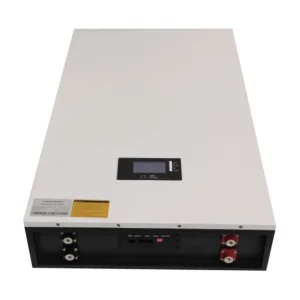
Telecommunications networks require constant uptime. Modular 48V 100Ah/200Ah battery assemblies fit standard 19-inch server racks, offering reliable backup power for off-grid cell towers and remote monitoring infrastructure.
The battery storage sector is moving toward higher energy density, longer lifecycles, and increased chemical safety. Key technological shifts include:
ELEMRO Energy continues to adapt to these trends by designing stackable batteries and modular systems that allow users to scale capacity as their energy needs grow.
Procuring energy storage equipment requires careful evaluation of technical specifications and manufacturer credentials. B2B buyers should focus on several key metrics:
| Evaluation Metric | Key Parameters to Check | Industry Benchmark |
|---|---|---|
| Cell Quality Class | Grade-A Prismatic Cells, manufacturer tracing codes | 100% capacity matching |
| Levelized Cost of Storage | Capital expenditure vs. lifetime throughput (MWh) | Minimized over 10-year period |
| BMS Protocol Integration | CAN, RS485, Modbus compatibility with major inverters | Multi-inverter configuration support |
| Thermal Safety Standard | Integrated fire suppression, thermal runaway protection | UL 9540A certification compliance |
Technical answers to common energy storage questions
Market updates and technical articles from our engineering team
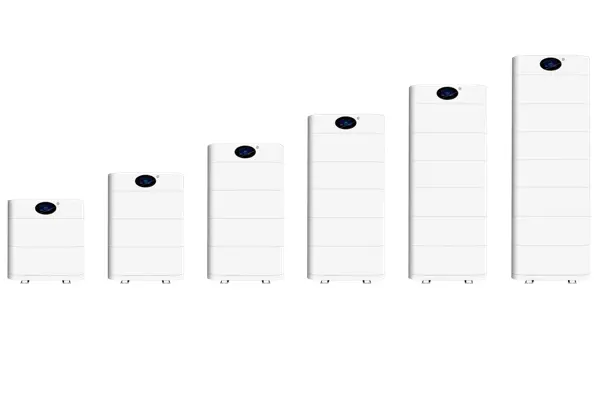
Custom modular assemblies, wall-mounted batteries, and high-voltage power racks





 Elemro Energy