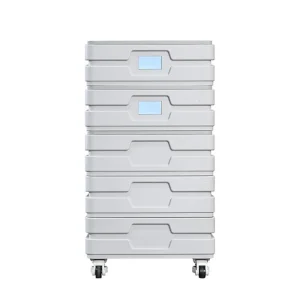
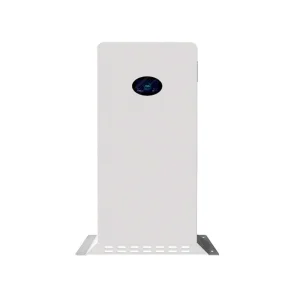
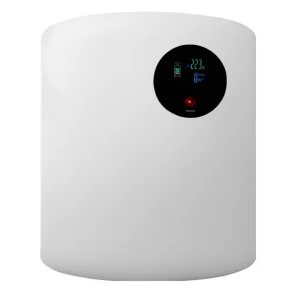
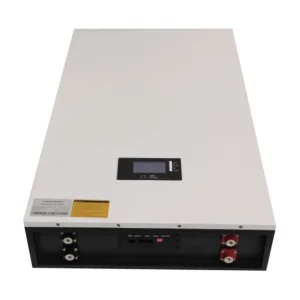
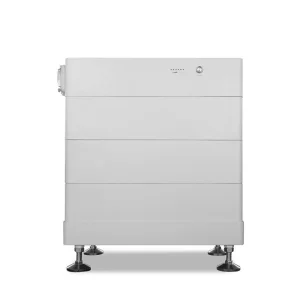
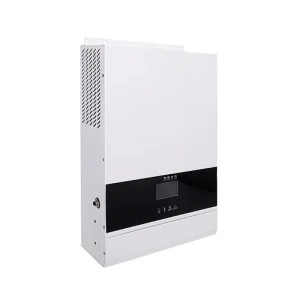
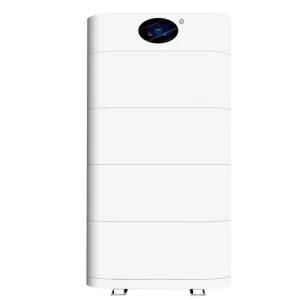
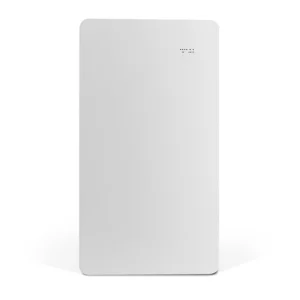
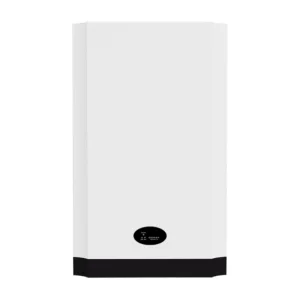
Explore our elite portfolio of high-voltage battery modules, stackable residential storage, and commercial systems engineered for efficiency and grid stability.
The global transition toward decentralized power grids and decarbonized industrial infrastructures has positioned Electrical Storage Systems (ESS) at the core of contemporary energy engineering. With fluctuating supply dynamics from renewable sources like photovoltaic arrays and wind farms, grid operators, Commercial and Industrial (C&I) enterprises, and utility entities face the pressing challenge of ensuring reliability, frequency containment, and continuous power availability.
In this high-stakes technological environment, selecting the right electrical storage system manufacturer is not merely an procurement transaction; it is a long-term risk management strategy. Modern ESS installations must deliver exceptional round-trip efficiency (RTE), extensive cycle life profiles, and advanced battery management capabilities (BMS) to guarantee safety and profitability. As grid integration protocols tighten worldwide, systems must also incorporate intelligent virtual power plant (VPP) functionalities to participate in localized ancillary markets and capacity peak-shaving operations.
"The true value of an industrial-grade electrical storage system lies at the intersection of thermal management stability, cell chemistry selection, and seamless software integration. These parameters directly govern the Levelized Cost of Storage (LCOS)."
Established in 2019 and headquartered in the high-tech hub of Xiamen, China, ELEMRO Energy has positioned itself as an industry leader in new energy storage and electrical product solutions. Combining research and development (R&D), state-of-the-art production, and global B2B sales networks, ELEMRO provides end-to-end integration for complex electrical storage infrastructure.
Our solutions have been adopted by more than 250 enterprise customers across demanding markets in Europe, Southeast Asia, Africa, the Middle East, and the Americas. By focusing on manufacturing compliance, structural integrity, and robust software architectures, ELEMRO's revenue trajectory reflects our market validation. The company's annual turnover is expected to exceed $50 million USD, demonstrating the scale of our manufacturing capabilities and commercial trust.
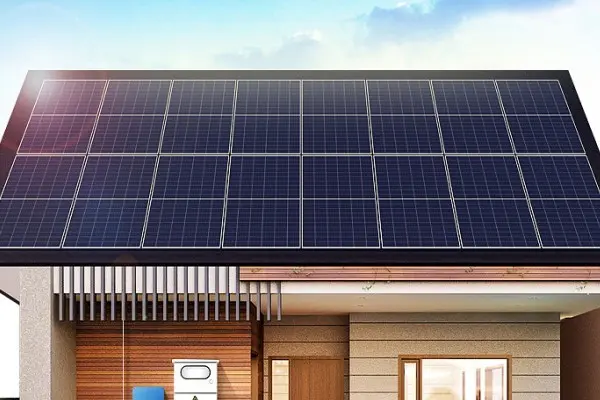
Unifying structural engineering, high-efficiency photovoltaics, and scalable grid-tied battery enclosures.

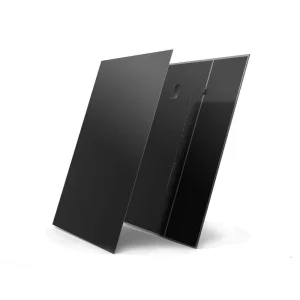
Advancing architectural autonomy through high-performance thin-film photovoltaic glass. Perfect for commercial facades, structural roofs, and green-building designs requiring on-site generation without aesthetic compromises.
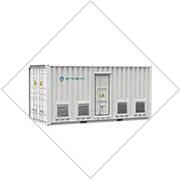
Utility-scale and C&I containerized battery storage featuring active liquid-cooling designs, comprehensive HVAC control, aerosol fire-suppression systems, and smart bidirectional PCS integration.
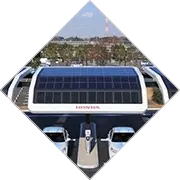
Turnkey structures merging durable mounting frameworks, optimal solar exposure design, and localized ESS systems to supply commercial EV fleet charging networks and optimize local microgrids.
To implement an optimized energy strategy, procurement directors and power engineers must evaluate the distinct differences in battery chemistry and configuration topologies. Below, we break down the operational characteristics of modern lithium-ion setups:
For modern stationary storage applications, Lithium Iron Phosphate (LiFePO4) chemistry has emerged as the global industry benchmark. Compared to Lithium Nickel Manganese Cobalt Oxide (NMC) chemistries, LFP offers key structural advantages:
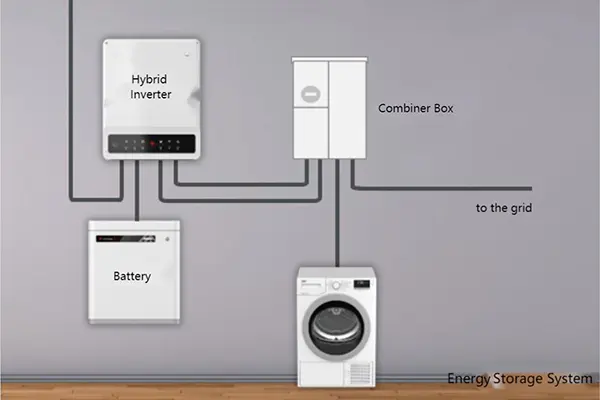
System topology selection dictates installation complexity, inverter efficiency, and future expansion flexibility:
Purchasing large-scale electrical storage systems requires a rigorous vetting process that balances cost efficiency with long-term reliability. Procurement departments must focus on three core areas during evaluation:
An ESS must possess internationally recognized certifications to verify its safety and operational longevity. Key baselines include:
RTE represents the ratio of energy retrieved from the storage system to the energy supplied to it. While cell-level efficiency may exceed 98%, system-level RTE includes losses from the BMS, active cooling systems, power conversion systems (PCS), and isolation transformers. Professional manufacturers achieve a system-level AC-to-AC RTE of 88-92%, which directly influences project ROI calculations.
Evaluating an ESS strictly on initial capital expenditure (CAPEX) can lead to higher operational costs over time. Procurement managers should evaluate systems using the Levelized Cost of Storage (LCOS):
LCOS = (Total Capital Cost + Total O&M Cost) / Total Energy Discharged over Lifetime
High-quality LFP cells and advanced thermal management may require higher upfront investment but yield a lower LCOS due to reduced degradation rates and minimized cooling system energy consumption.
As electrical infrastructure evolves, ESS technology is advancing rapidly. Elemro Energy actively monitors and develops next-generation solutions in these key areas:
A1: High-voltage systems (operating above 200V DC) reduce current flow for the same power output, minimizing cable resistance losses and aligning with utility-scale inverter inputs. LV systems (48V) are safer for residential maintenance and offer simpler plug-and-play installation.
A2: Elemro utilizes high-stability LiFePO4 cells coupled with multi-tier Battery Management Systems (BMS). Our C&I storage containers feature integrated liquid cooling loops alongside automated aerosol and gas fire-suppression systems to mitigate thermal risks.
A3: Yes, our storage containers are equipped with HVAC climate control and active thermal management, enabling stable operations in ambient temperatures ranging from -30°C to +55°C.
A4: Under standard operating conditions (0.5C charge/discharge rate, 25°C ambient temperature), our cells maintain at least 80% of their initial nominal capacity after 6,000 complete cycles.
Stay informed with technical interpretations, energy storage strategies, and event updates directly from our engineering team.
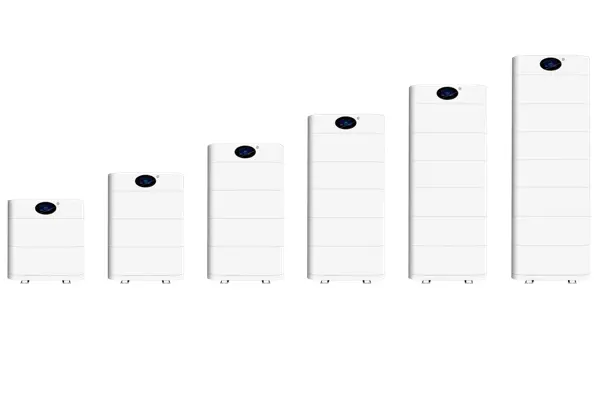
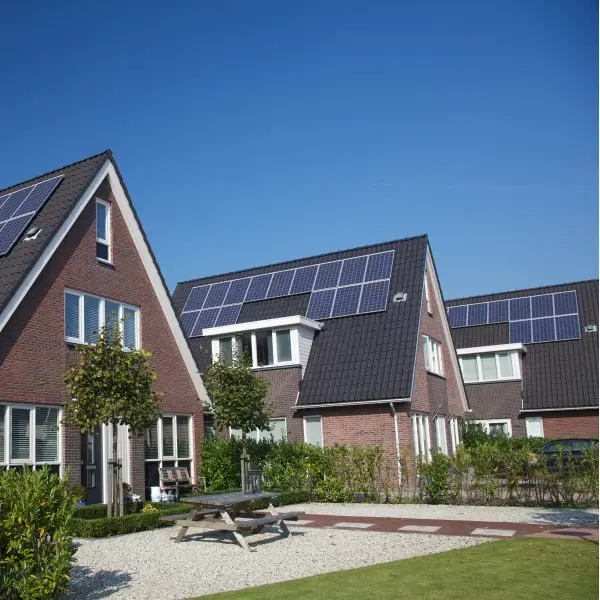
Select from our certified range of lithium iron phosphate batteries and systems.
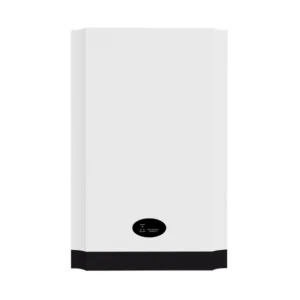
Inquire about system specifications, pricing catalogs, and compliance profiles. Receive a dedicated response within 24 hours.
Inquiry For Pricelist





 Elemro Energy