 Elemro Energy

Industrial Whitepaper: The DC Coupled Paradigm
A comprehensive analysis of design topology, global supply constraints, performance optimization, and local compliance requirements for C&I and residential assets.
1. Technical Topology: Understanding DC vs. AC Coupling
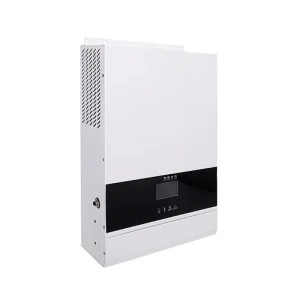
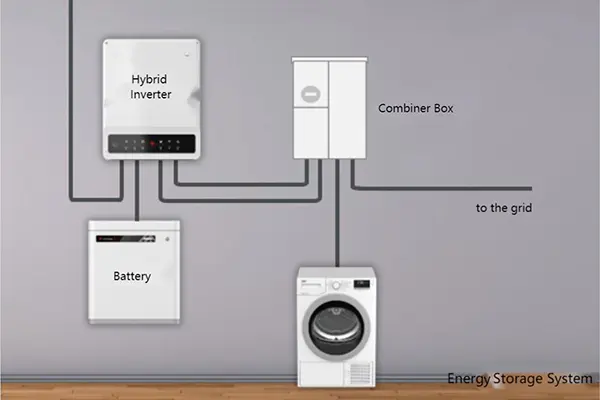
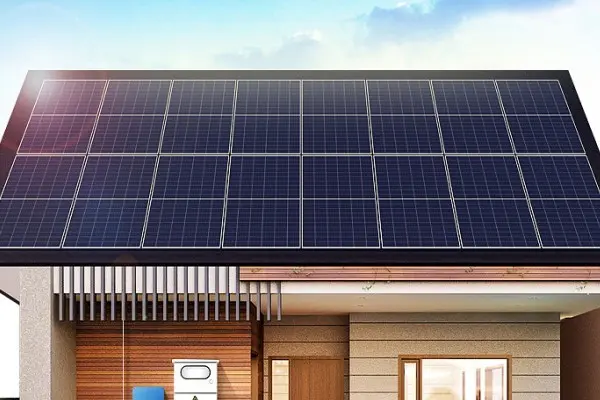
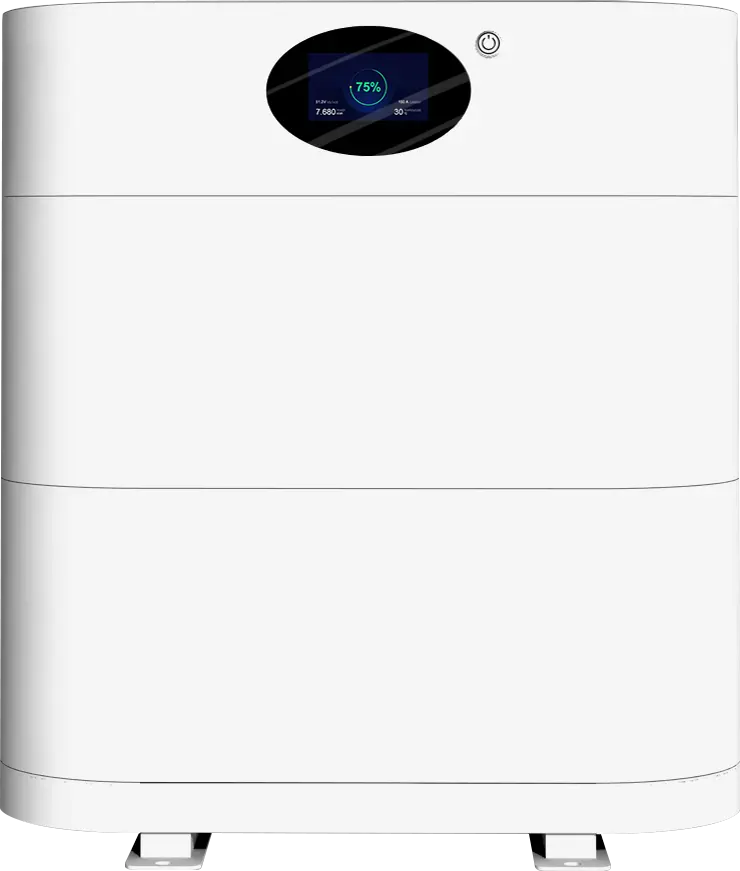
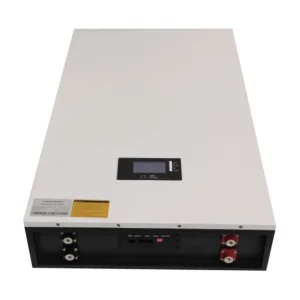
In modern photovoltaic system engineering, the choice between DC (Direct Current) coupling and AC (Alternating Current) coupling is the single most critical factor determining overall system efficiency, capital expenditures (CAPEX), and long-term operating costs. A DC-coupled solar storage system routes raw electricity generated by photovoltaic strings directly to the battery storage bank through a high-efficiency charge controller or DC-to-DC converter. The power only undergoes conversion to AC once—via the main hybrid inverter—when being discharged to home loads or fed back to the power grid.
Conversely, AC-coupled topologies require solar power to be converted from DC to AC at the solar inverter, then converted back from AC to DC to charge the battery bank, and finally reconverted from DC to AC when the battery discharges. By eliminating these multiple, redundant conversion steps, ELEMRO's specialized DC-coupled architectures achieve round-trip system efficiencies of up to 98%, cutting down heat dissipation issues, reducing thermal runaway risks, and significantly lowering the Levelized Cost of Storage (LCOS).
| Performance Metrics | DC Coupled Systems (ELEMRO Ecosystem) | Standard AC Coupled Systems |
|---|---|---|
| Conversion Losses | Ultra-Low (Single DC-to-AC step for loads) | Moderate to High (Triple conversion loop) |
| Round-Trip Efficiency | 95.5% - 98.2% | 88% - 91% |
| Retrofitting Profile | Ideal for new installations / full redesigns | Simple for pre-existing solar systems |
| Component Integration | Highly integrated (Single hybrid inverter + BMS) | Decentralized (Separate PV & battery inverters) |
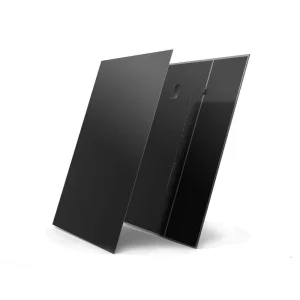
| BIPV Compatibility | Excellent (Perfect match with thin-film CdTe) | Complex synchronization requirements |
2. Macro-Industry Solutions & Global Commercial/Industrial Landscapes
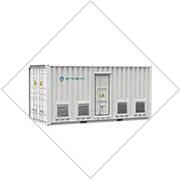
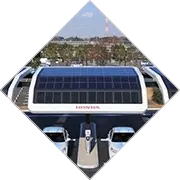
The global transition toward decentralized clean energy grids has accelerated the demand for commercial & industrial (C&I) as well as utility-scale storage infrastructure. Historically, solar modules and energy storage units were developed independently, creating integration bottlenecks. Today, manufacturers like ELEMRO Energy are shifting the paradigm by offering unified DC-coupled microgrid configurations. These systems allow operators to integrate BIPV, large-scale battery storage containers, and carport solar units under a single, localized energy management system (EMS).
In key manufacturing centers such as Europe, the Middle East, Southeast Asia, and North America, strict limits on grid injection and rising peak-rate tariffs have made self-consumption economically vital. DC coupling allows businesses to oversized their PV arrays (often up to 150-200% of the hybrid inverter's AC output rating) without losing power. The excess generation is channeled straight into batteries rather than being clipped by the inverter, enabling C&I operators to maximize peak shaving, dynamic load leveling, and emergency backup capacity.
3. Global Supply, Localized Compliance & Support Matrix
Ensuring compliance with local grid safety codes and electrical standards is a significant hurdle for developers importing energy storage hardware. ELEMRO addresses these challenges with a rigorous localized support matrix. Across major distribution hubs, our product platforms comply with international safety, grid integration, and environmental standards, including UL 1973, UL 9540A, CE, IEC 62619, and UN38.3 for lithium-ion shipping safety.
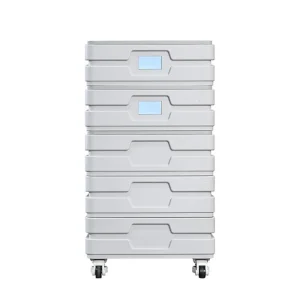
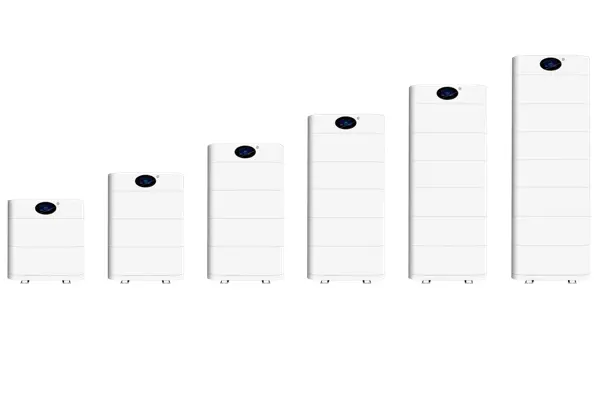
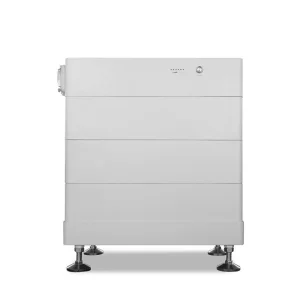
By establishing dedicated partnerships in Europe, Southeast Asia, and Africa, ELEMRO offers local EPCs and installers engineering resources, fast component replacement services, and technical field assistance. Our high-voltage stackable storage designs are tailored to meet localized requirements, such as the strict safety directives of VDE-AR-N 4105 in Germany, the AS/NZS 5139 standards in Australia, and National Electrical Code (NEC) guidelines in the United States. This guarantees that every project passes local inspections and functions safely over its entire operational lifetime.