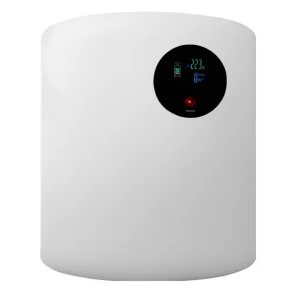
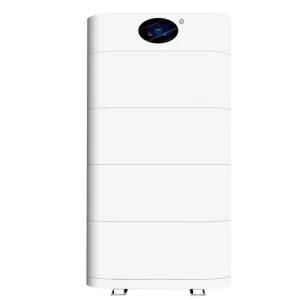
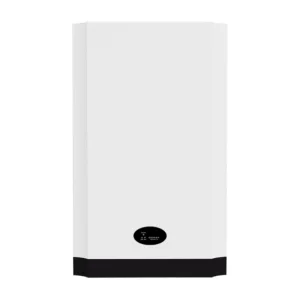
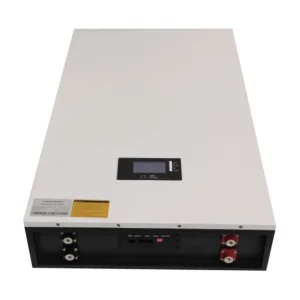
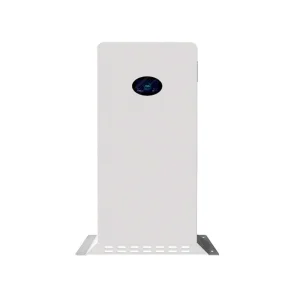
Engineered to deliver optimal return on investment, unmatched cycle life, and absolute safety across global commercial, industrial, and utility networks.
An Industrial Guide to Balancing CAPEX, Cycle Life, and Operational Efficiency in Commercial & Utility BESS Implementations
As global power grids shift toward decentralized, carbon-neutral topologies, utility-scale and commercial energy managers are increasingly relying on Lithium Iron Phosphate (LiFePO4) Battery Energy Storage Systems (BESS). However, determining the best cost of solar panel battery storage manufacturer options requires a nuanced equation. The true cost of a solar panel battery goes far beyond the initial capital expenditure (CAPEX). It involves Levelized Cost of Storage (LCOS), cycle lifespan, battery chemistry degradation models, thermal management power consumption, and depth of discharge (DoD) configurations.
LCOS functions as the defining metric for benchmarking manufacturers. It computes the total lifetime cost of energy discharged through the system, taking into consideration round-trip efficiency (RTE), degradation rate, integration costs, and operations & maintenance (O&M). High-quality manufacturers design their cells to sustain a high cycle life (often exceeding 6,000 cycles at 90% DoD at 0.5C charge/discharge rates). This drastically suppresses LCOS over a standard 10-to-15-year operational envelope.
Historically, Cobalt-based chemistries offered high energy densities, but the utility and residential BESS markets have shifted decisively toward Lithium Iron Phosphate (LiFePO4). The reasons are mechanical, thermal, and commercial:
LiFePO4 batteries present a thermal runaway temperature threshold exceeding 270°C, compared to Cobalt-based cells which break down at approximately 150°C. In addition, the chemical bonding structure of iron-phosphate provides structural stability over long cycle lives, maintaining chemical integrity even during deep, rapid discharges. This safety and performance profile directly reduces auxiliary fire-suppression equipment costs and liability insurance premiums, delivering lower overall operational cost structures.
We provide cleaner energy for a greener world through specialized engineering.

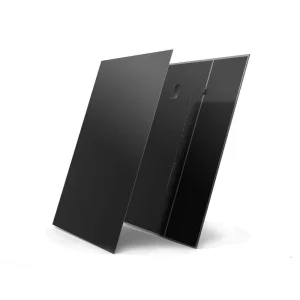
Integrated structural solar glass solutions offering optimal structural reliability and highly efficient solar capture ratios for modern green architecture.
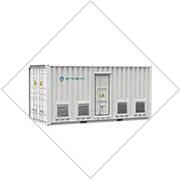
Megawatt-level commercial and industrial outdoor containerized energy storage units, optimized with dynamic thermal controls and fire mitigation systems.
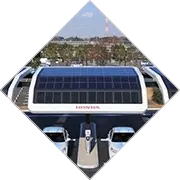
High-yield solar carport infrastructure tailored for fleet electrification, parking canopy integration, and localized microgrid distribution.
Bridging the Gap Between Engineering Innovation and Cost-Efficiency in the Global Battery Market
Established in 2019 and headquartered in the highly connected deepwater port city of Xiamen, China, ELEMRO Energy has specialized in advanced new energy storage and electrical product solutions. Combining design innovation, structural engineering, and manufacturing, ELEMRO is a market leader that unifies R&D, production, and sales under a single framework. Our premium product lines have been distributed to over 250 industrial, commercial, and residential clients across Europe, Southeast Asia, Africa, the Middle East, and the Americas.
Since its inception, ELEMRO’s revenue has grown rapidly year-over-year. ELEMRO's annual turnover is expected to exceed 50 million USD in 2023. Our competitive advantage lies in our manufacturing efficiency, combined with automated Chinese manufacturing protocols (Factory 4.0). This allows us to supply global markets with highly reliable battery solutions at highly competitive costs.
How Modern Manufacturing and Logistics Safeguard Project ROI against Supply Disruption and High Inflation
Our production facilities utilize automated testing equipment to screen and match cells for capacity, internal resistance, and voltage. This limits balancing loss and significantly extends the service life of our multi-cell battery packs.
Operating near major lithium processing hubs in China allows us to source raw materials directly. This minimizes supply chain markups, ensuring we pass cost savings directly on to our commercial and utility clients.
Based in Xiamen, we utilize direct access to deepwater ports to reduce land transportation costs and cycle times, delivering efficient ocean shipping rates to global ports.
Navigating the Shift in Solid-State Chemistries, High-Voltage Architectures, and BIPV Technologies
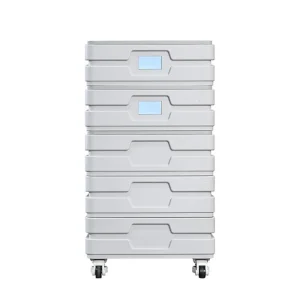
The energy storage sector is entering a phase of rapid evolutionary updates. While standard low-voltage (48V) systems remain highly effective for residential use, commercial, industrial (C&I), and utility markets are rapidly shifting toward High-Voltage (HV) stacked battery architectures. High-voltage battery systems (typically ranging from 400V to 1500V DC) drastically cut down internal currents, which in turn reduces wiring losses, simplifies thermal control design, and enables direct pairing with commercial central inverters.
ELEMRO’s technical development roadmap is highly aligned with these key industry shifts:
How Global Enterprises Evaluate Capital Investment, Bankability, and Localized System Integration
For utility procurement managers and corporate developers, choosing a partner goes far beyond looking at initial hardware cost charts. High-capacity projects require strict compliance with localized grid regulations, system safety metrics, and solid manufacturing bankability. A complete BESS implementation requires alignment across three critical dimensions:
BESS products must possess rigorous, internationally recognized safety certifications to ensure simple project approval, grid connection, and financing. These include IEC 62619 (safety requirements for secondary lithium cells and batteries), UL 9540A (evaluating thermal runaway fire propagation), and UN38.3 (lithium battery transport safety). Certified systems dramatically reduce risk profiles, helping developers secure competitive project insurance rates.
Every grid application requires a distinct discharge profile. Peak-shaving installations need high-capacity batteries with stable discharge capabilities during peak rate periods. Microgrids require fast, dynamic response times to maintain grid stability when backup generators switch on or off. Our specialized designs, including containerized energy storage units, are engineered to deliver precise control for these varied applications.
Purchasing managers should evaluate TCO using a standard formula:
TCO = Purchase Price + Integration Costs + (Lifetime O&M Costs - Residual Asset Salvage Value)
By optimizing battery cycle life, minimizing degradation, and maintaining high round-trip efficiency, ELEMRO structures its systems to deliver a highly competitive TCO over the project lifecycle.
Technical Answers to High-Value Technical, Financial, and Operational Integration Questions
Providing specialized technology to meet the scale and demands of global commercial projects.
Exploring the latest technical developments and system updates in clean energy technology.
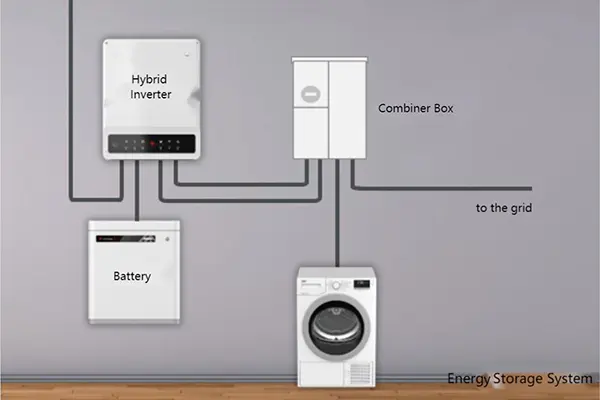
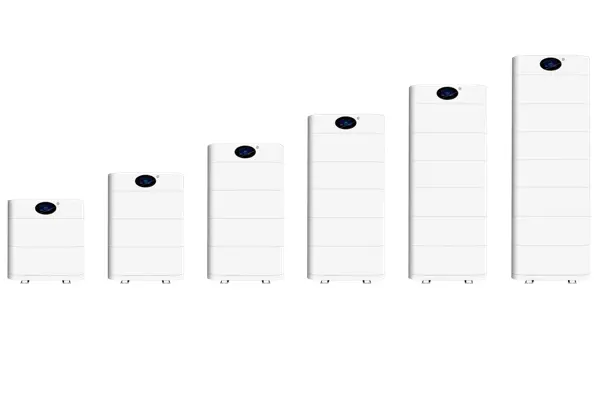
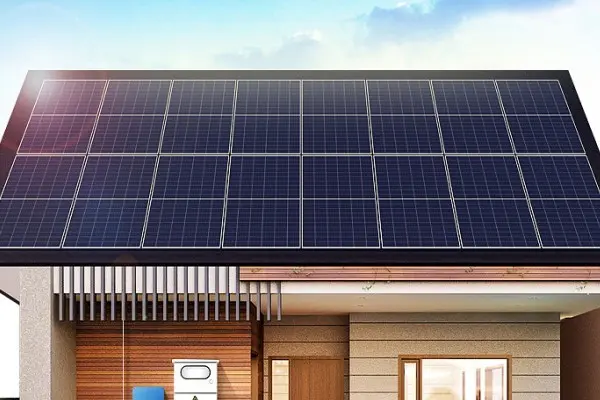
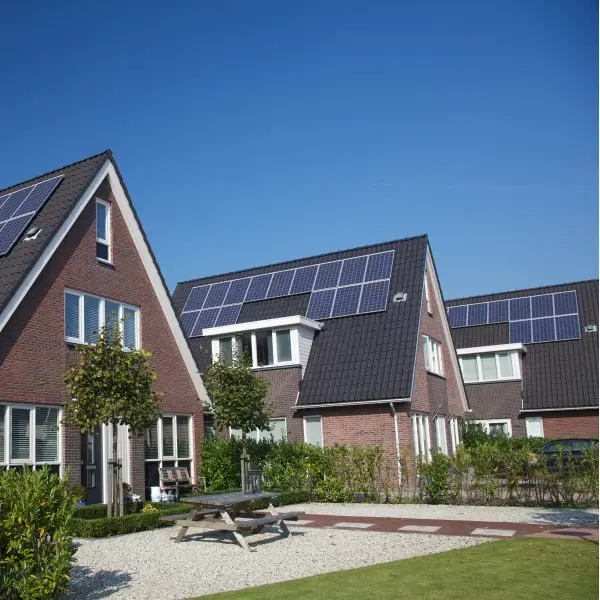
ELEMRO partners with top industrial component brands to deliver unified BESS systems globally.





For inquiries about our product line, volume discounts, custom integration designs, or specific pricelists, share your requirements and our project team will contact you within 24 hours.
Inquiry For Pricelist Elemro Energy