Engineered with smart lithium chemistry, comprehensive thermal safety boundaries, and highly resilient power interfaces.
Decentralized Power Quality, Grid Congestion Management, and the Economics of Arbitrage.
The global energy landscape is undergoing an unprecedented restructuring. The rise of variable renewable energy sources (VRES)—mainly wind and solar photovoltaics—demands a significant upgrade in grid flexibility. Battery Energy Storage Systems (BESS) are the central component of this modernization, acting as the primary buffer to balance generation fluctuation, prevent grid bottlenecks, and stabilize voltages.
For Commercial & Industrial (C&I) energy consumers, BESS represents a strategic asset. By charging during off-peak windows when prices are low and discharging during high-cost peak periods, systems mitigate expensive peak demand charges. This process, known as peak shaving, reduces overall facility operating costs while ensuring zero downtime during sudden utility supply failures.
Our global commercial capability bridges the gap between hardware engineering and regional regulatory standards. As grid compliance targets tighten across North America (UL 9540A requirements) and the European Union (EN 50549 framework), we engineer custom BESS enclosures that meet strict thermal run-away parameters and local utility connection protocols.
We provide cleaner energy for a greener world through complete system engineering.

Specially engineered low-iron photovoltaic glass designed to maximize transmission and safeguard core solar cell wafers against severe climatic stress, ensuring sustained yield for up to 30 years.
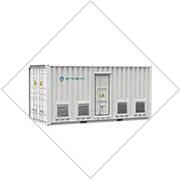
Pre-engineered, climate-controlled containerized modules featuring advanced fire safety systems, multi-tiered battery management units, and integrated liquid cooling loops for utility applications.
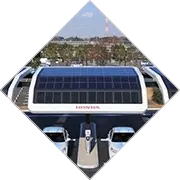
Turnkey structural canopies that turn vacant parking lots into active local power stations. Fully integrated with BESS units to charge fleet vehicles directly from stored solar energy.
Established in 2019 and headquartered in the technology hub of Xiamen, China, ELEMRO Energy has built a reputation in new energy storage and electrical product solutions. We operate as an integrated developer combining advanced R&D, ISO-certified manufacturing, and global logistical outreach. Our operational footprint spans over 250 enterprise clients in Europe, Southeast Asia, Africa, the Middle East, and the Americas.
By prioritizing long-term cell reliability, safe high-voltage system layout, and intelligent EMS software integration, our annual turnover reached a projected milestone exceeding $50 million USD in 2023. Our engineering focuses on safety compliance, long cycle life, and low levelized cost of storage (LCOS).
An engineering comparison detailing performance, thermal control, and safety profiles.
When selecting the best BESS storage system, design engineers must choose between low-voltage (typically 48V nominal parallel systems) and high-voltage stacked topologies. ELEMRO's high-voltage energy storage platforms run at system voltages between 400V DC and 1000V DC. This architecture provides several key advantages:
According to Joule's first law, energy dissipation is proportional to the square of the current (I²R). Stacking battery cells in series raises the voltage while keeping current low, reducing transmission losses within the internal busbars.
Low-current, high-voltage layouts require smaller copper wire profiles. This reduces cost and makes the system easier to install in space-constrained C&I or residential environments.
High-voltage battery packs align closely with standard grid voltages. This reduces the voltage boost ratio required by the inverter, leading to higher system-wide DC-to-AC conversion efficiencies.
Safety is managed through multi-level BMS topologies. The system uses a primary Cell Monitoring Unit (CMU) to track single-cell temperature and voltage balance. This is overseen by a System Management Unit (SMU) that links directly to the master EMS. The EMS coordinates cell balancing and isolates cells if any system parameters drift out of bounds.
High-efficiency energy storage systems engineered for residential resilience and industrial support.
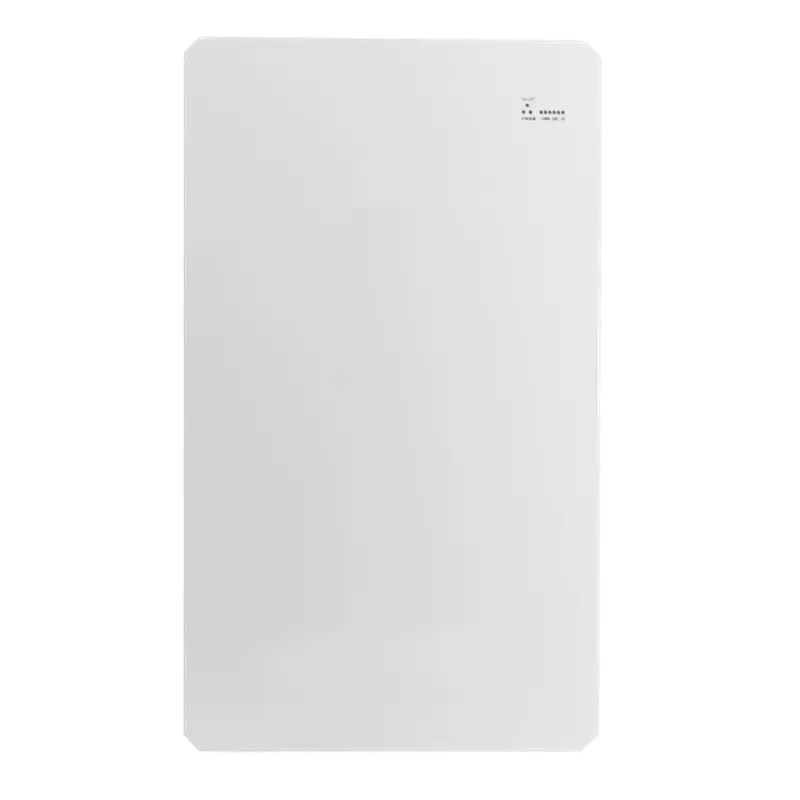
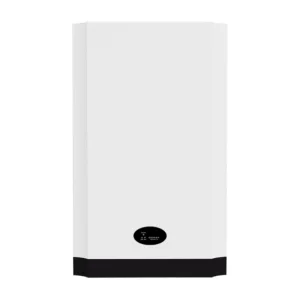
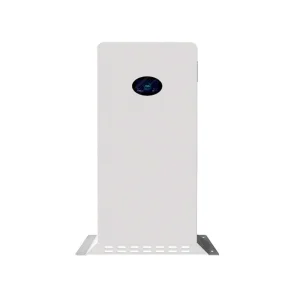
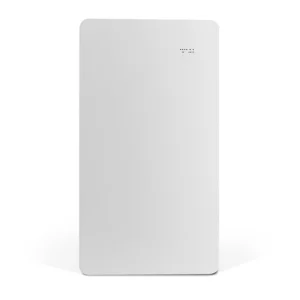
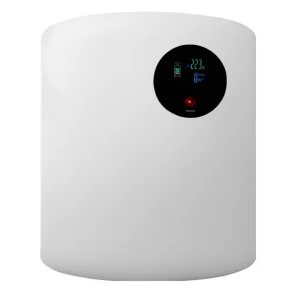
A sleek, space-saving wall battery unit optimized for safe residential load protection and domestic peak shaving applications.
View Specifications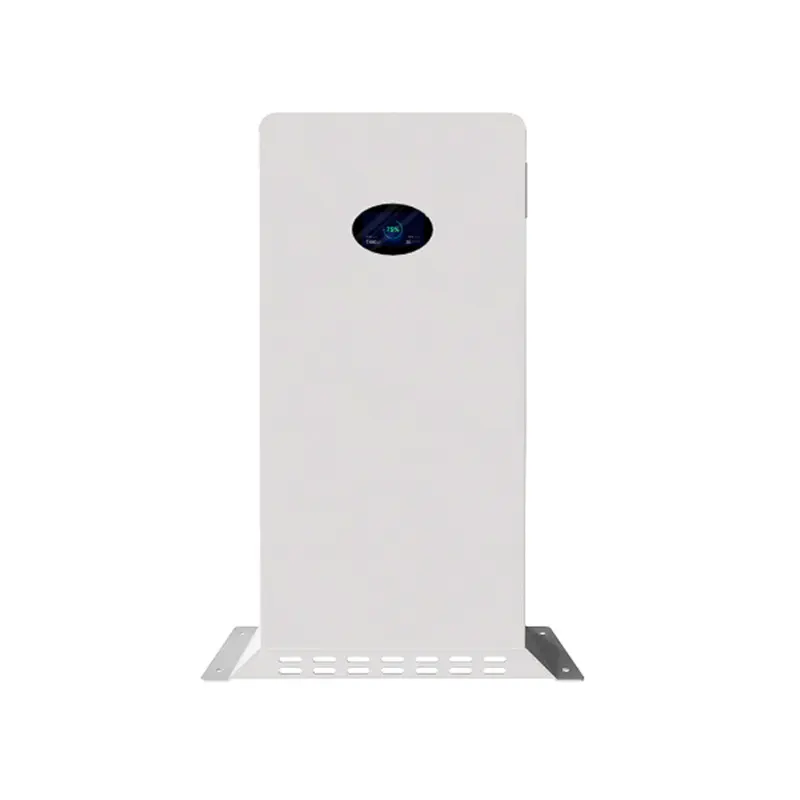
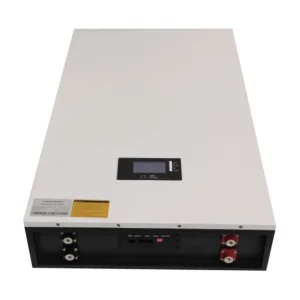
A modular, high-capacity low-voltage unit featuring deep cycling abilities and simple plug-and-play installation.
View Specifications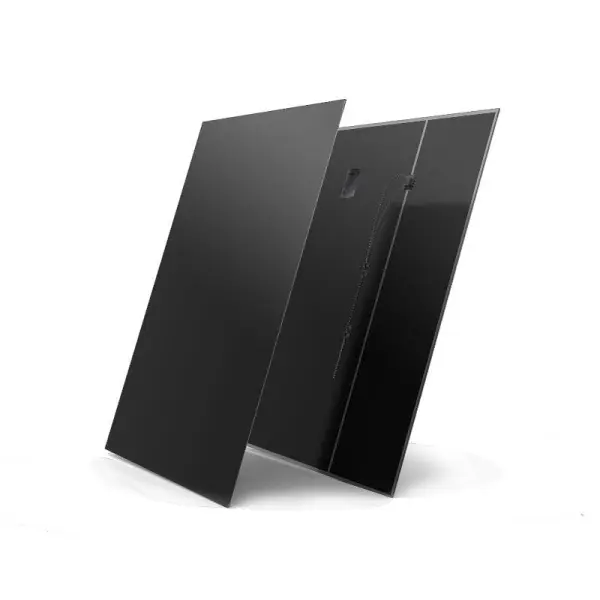
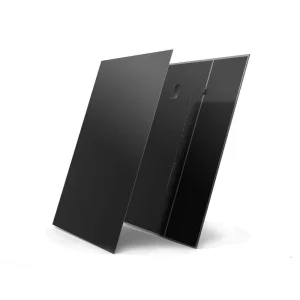
Advanced thin-film modules optimized for building-integrated photovoltaics (BIPV), offering high performance under low light.
View Specifications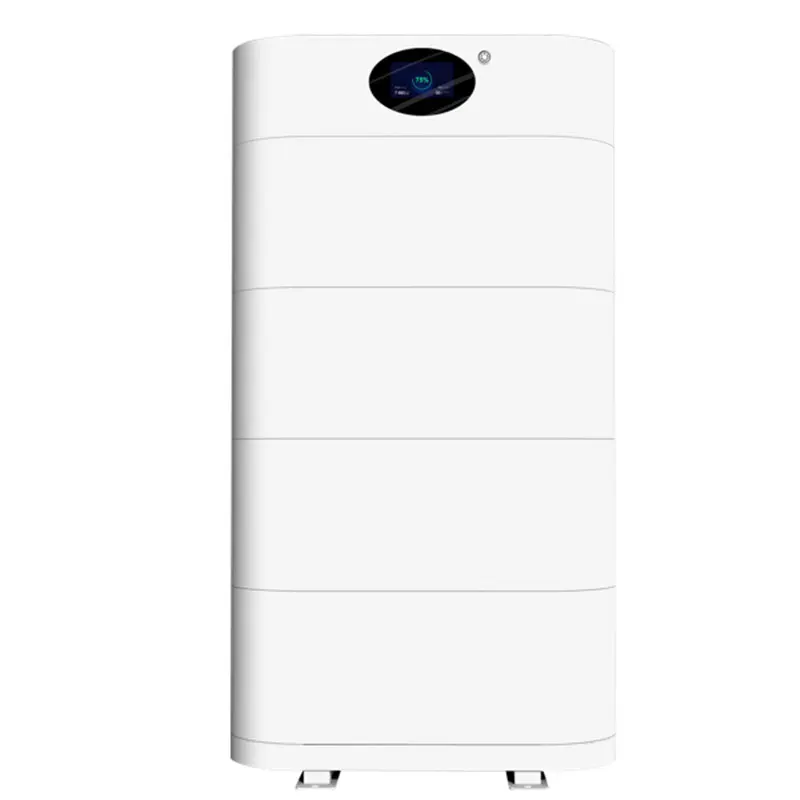
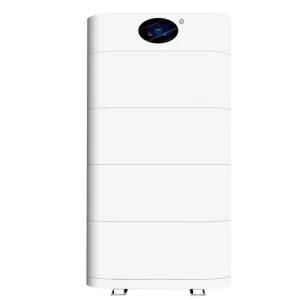
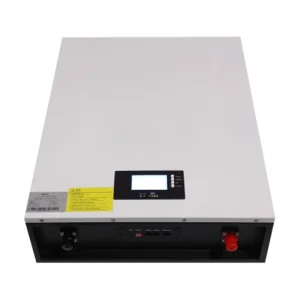
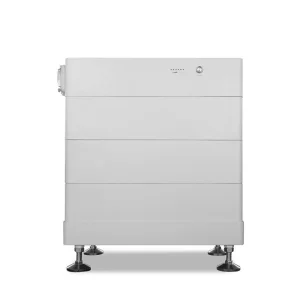
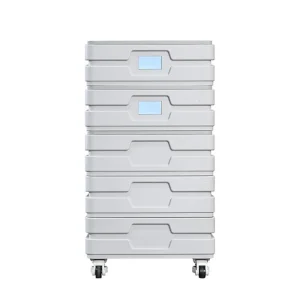
Industrial high-voltage core module supporting stackable expansion configuration for C&I microgrids.
View Specifications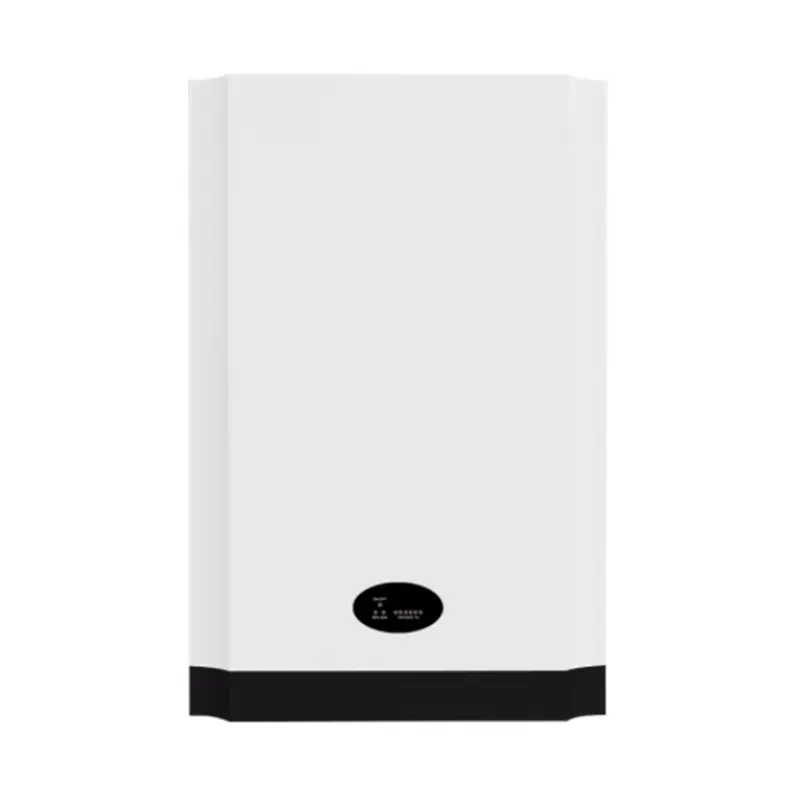
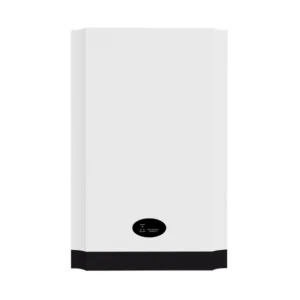
Standard 10kWh high-cycle home battery system configured to provide reliable backup during grid outages.
View Specifications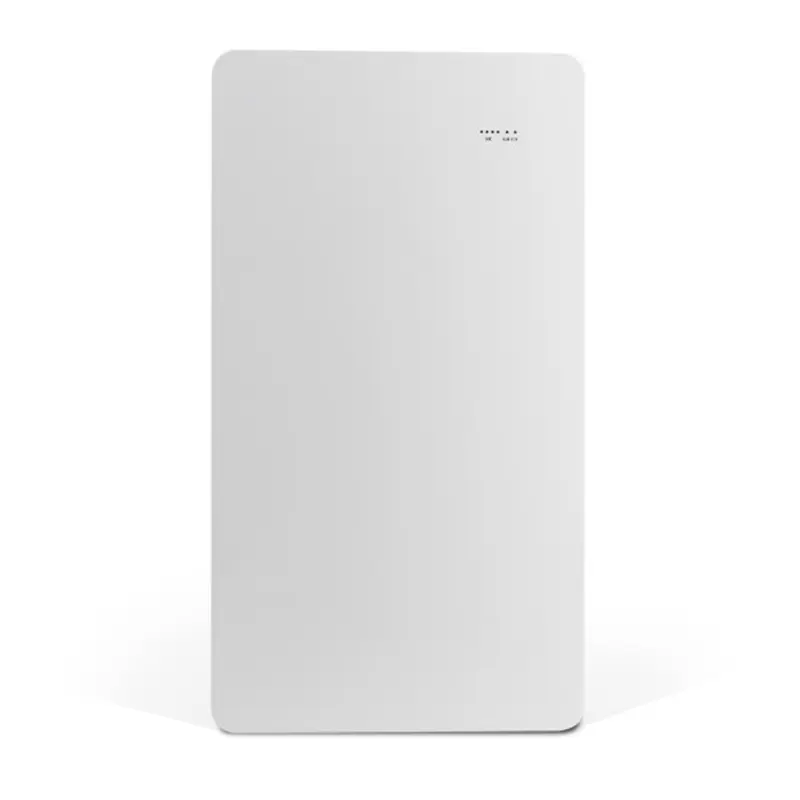
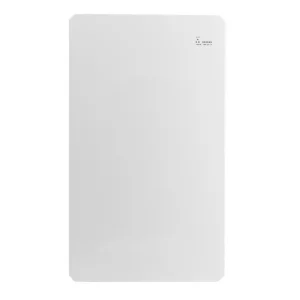
High-capacity wall battery system offering 14.3kWh of continuous backup, ideal for larger residential demands.
View SpecificationsHow our technology integrates with diverse grid networks and matches strict regional quality criteria.
BESS installations are highly subject to local grid codes, safety regulations, and environmental variables. ELEMRO energy storage systems are engineered for straightforward deployment in three primary target markets:
To support global deployments, ELEMRO maintains international certifications. Our manufacturing processes and battery designs comply with UN38.3 (transport safety), IEC 62619 (stationary application safety rules), CE, and RoHS standards, confirming stable operations across diverse electrical networks.
Expert analysis addressing common technical queries regarding configuration, deployment, and performance life.
Latest insights, market reports, and event announcements from our engineering teams.
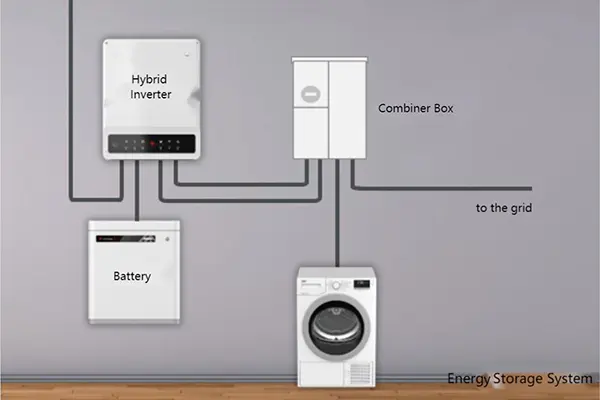
An analysis of topology variations, control configurations, and grid integration mechanisms in modern domestic systems.
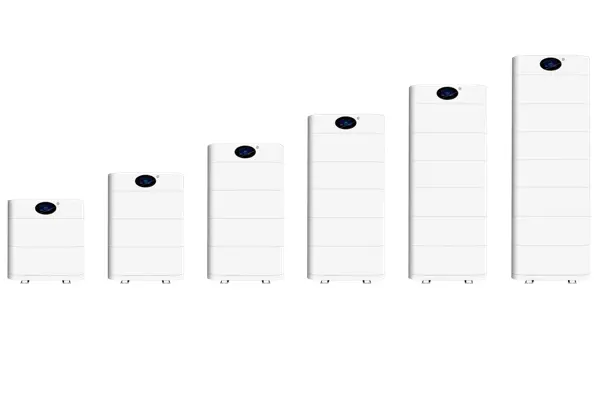
An evaluation comparing LFP, NMC, and sodium-ion options across energy density, manufacturing costs, and cycle life.
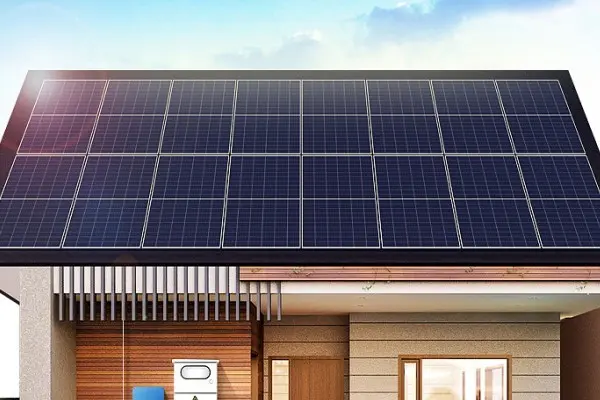
Case studies detailing demand peak management, emergency back-up systems, and remote microgrid setups.
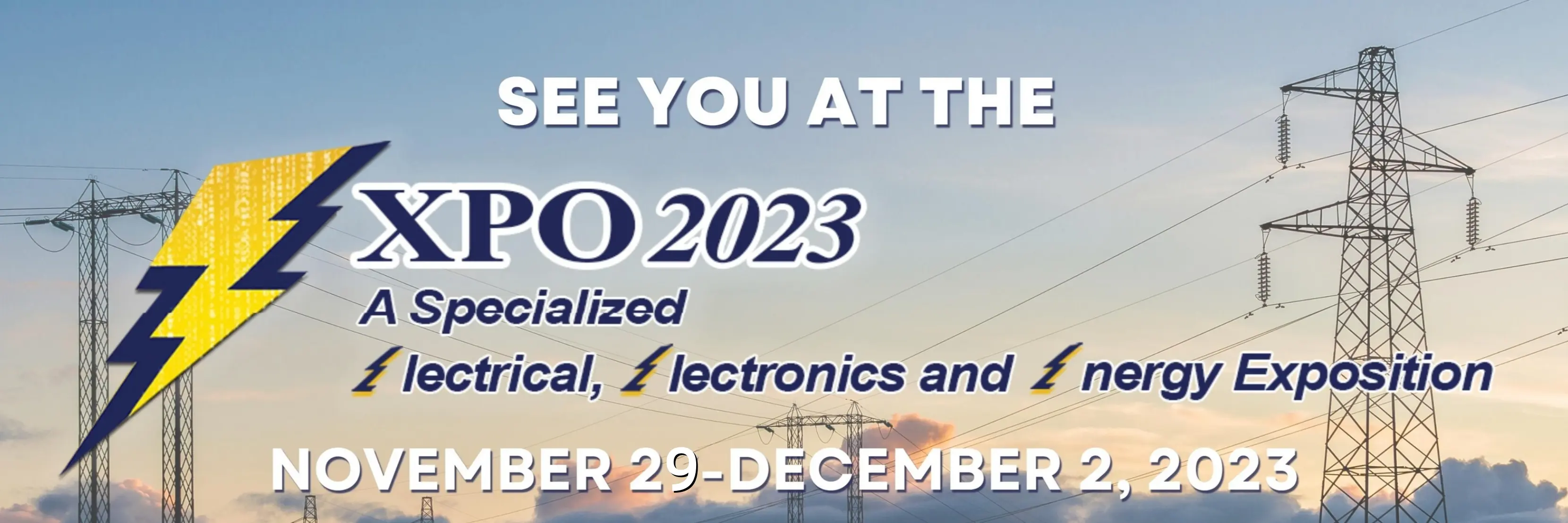
ELEMRO Energy showcased its modular microgrid BESS solutions to regional developers at the energy expo in Manila.
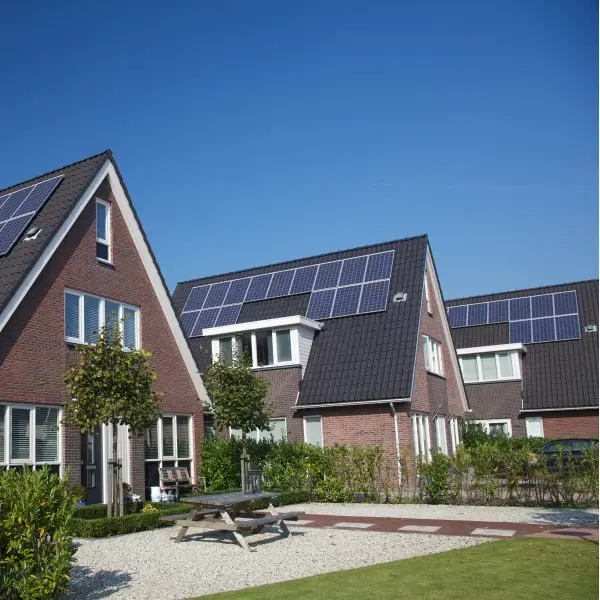
A guide matching ground-mounted, rooftop, and floating solar array requirements with suitable containerized BESS configurations.
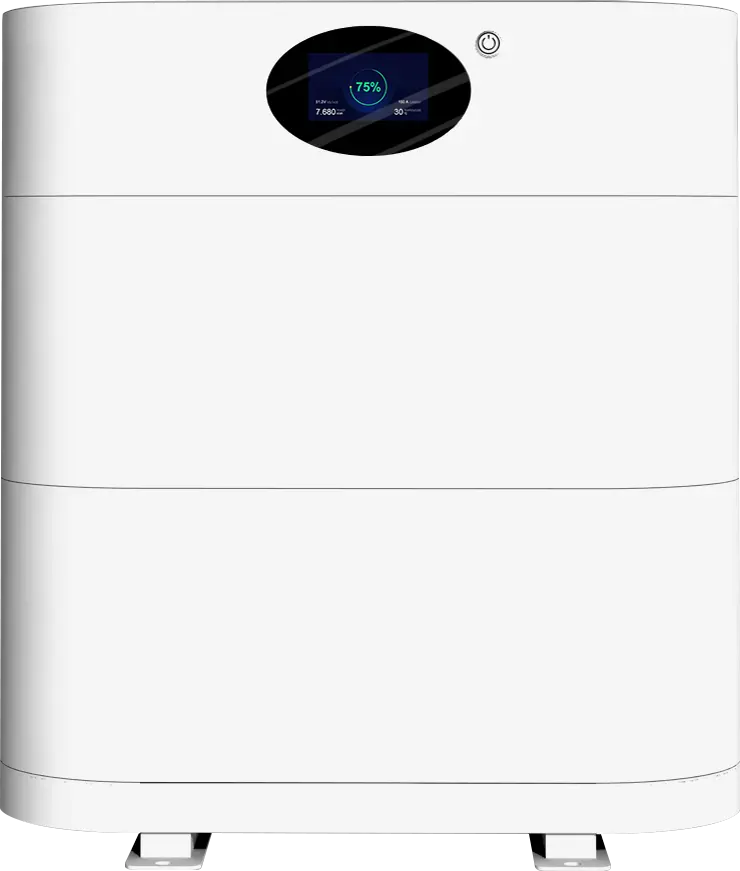
An overview of self-heating capabilities in low temperatures, smart monitoring connections, and modular capacity scaling.




Contact our project team for custom storage configurations, capacity sizing models, and FOB/DDP commercial quotations. We respond within 24 business hours.
Select and configure modules to match your facility load requirements and grid connection guidelines.
 Elemro Energy