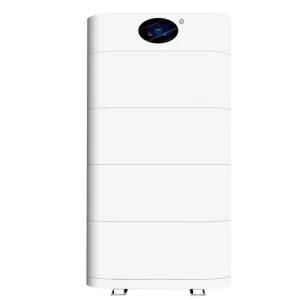
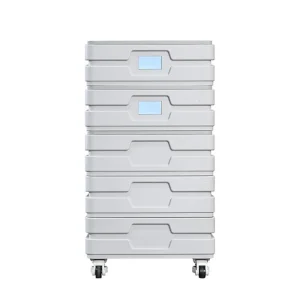
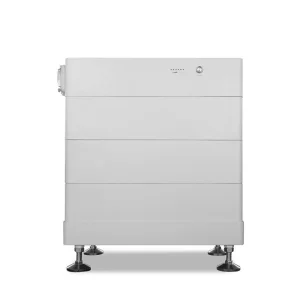
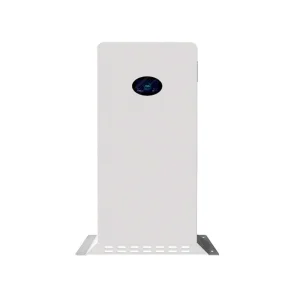
Explore our highly integrated, factory-certified battery packs, stackable high-voltage systems, and advanced power management solutions.
Understanding the key evaluation pillars: system efficiency, regulatory integration, and life-cycle economics.
Evaluating modern BESS solutions requires looking beyond initial capital expenditure (CAPEX). Senior project engineers prioritize the operational life duration, looking closely at depth-of-discharge parameters, cycle life limits, round-trip efficiency percentages, and maintenance parameters that heavily govern long-term asset profitability.
Modern developers require tier-1 manufacturers to implement multi-tier safety standards. Advanced battery packs must feature cell-level temperature monitoring, aerosol-based fire suppression, and physical barriers between individual cells to prevent thermal runaways, meeting compliance with UL 9540A testing procedures.
BESS installations are shifting toward hybrid systems capable of dynamic response services. Manufacturers are developing integrated solutions featuring fast frequency response, active reactive power control, and automatic voltage regulation to stabilize modern distribution networks.
Industrial manufacturing, utility providers, and independent power producers (IPPs) globally are racing to integrate advanced battery energy storage systems (BESS). Driven by stringent ESG policies, dynamic peak shaving schemes, and grid code compliance criteria, developers must rely on robust hardware suppliers capable of shipping standardized, scalable solutions. This requires manufacturers to maintain vertical integration—spanning raw chemical synthesis to final system integration and factory acceptance testing (FAT).
Where chemical engineering meets electrical power systems. Discover the roadmap guiding ELEMRO's ongoing R&D efforts.
Maximizing volumetric energy density while maintaining structural safety. Our focus remains on refining high-energy lithium iron phosphate (LiFePO4) cell chemistry, offering 6000+ deep discharge cycles before capacity degradation.
Transitioning from low-voltage parallel setups to high-voltage series designs. High-voltage architecture reduces line currents, reduces system losses, improves overall round-trip efficiency, and simplifies cable management.
Pioneering active building envelopes. Integrating Cadmium Telluride (CdTe) thin-film solar glass directly into building façades turns inactive glass surfaces into clean energy generation points.
Deploying AI-driven analytics. Future systems will leverage real-time state-of-health (SoH) diagnostics to preemptively isolate underperforming cells, reducing unplanned downtime.
Established in 2019 with its headquarters in Xiamen, China, Elemro Energy specializes in state-of-the-art energy storage systems and electrical integration. Unifying design engineering, manufacturing, and distribution, ELEMRO serves more than 250 industrial, commercial, and residential clients across Europe, Southeast Asia, the Middle East, Africa, and the Americas. Backed by solid revenue growth and an expected turnover surpassing 50 million USD in 2023, ELEMRO stands as a reliable technology partner for global green transitions.

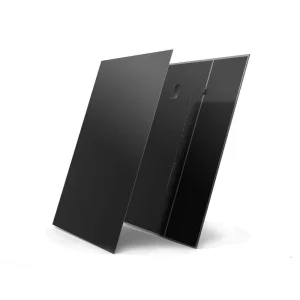
Aesthetic, high-efficiency solar glass components tailored for modern architectural building integrated photovoltaics (BIPV).
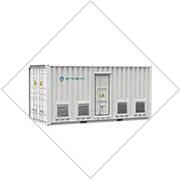
Pre-configured, climate-controlled containerized battery setups designed for fast installation and grid-scale deployments.
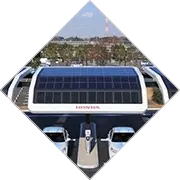
Structural solar canopies that turn open parking areas into clean energy generation hubs with integrated EV charging support.
Engineered for utility compliance, high-efficiency power conversions, and industrial site integrations.
How ELEMRO integrates advanced storage hardware to optimize local power demand and lower peak utility rates.
For operations facing heavy demand charges, our high-voltage LFP storage setups store grid energy during off-peak hours and release it when demand spikes. This limits load peaks, stabilizing onsite grids and protecting against utility surcharge rate jumps.
Combined with solar generation and CdTe thin-film systems, our commercial energy storage setups form off-grid microgrids. This architecture ensures sensitive hardware keeps running during main grid outages, providing smooth power transitions with high reliability.
| System Model Variant | Nominal Capacity (kWh) | Voltage Classification | Cell Configuration Type | Design Application Profile |
|---|---|---|---|---|
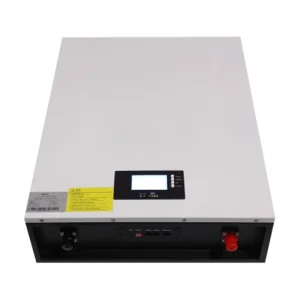
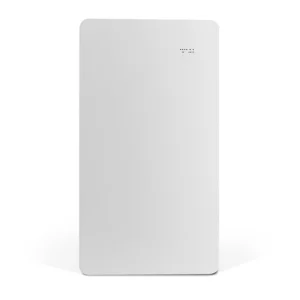
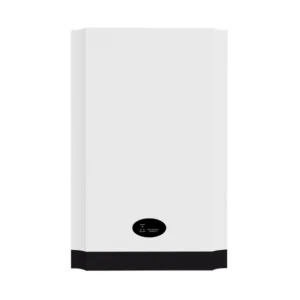
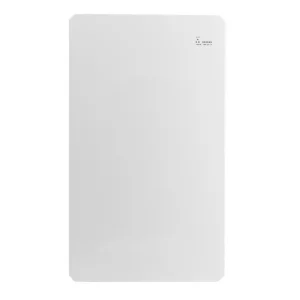
| Elemro WHLV 48V100Ah | 4.8 kWh | Low Voltage (48V) | LiFePO4 Prismatic | Residential Backup / Smart Home Solar |
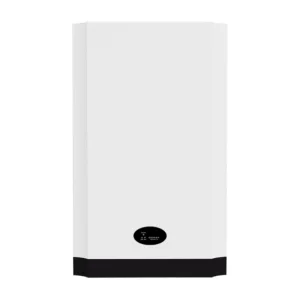
| Elemro WHLV 10kWh | 10.0 kWh | Low Voltage (51.2V) | LiFePO4 Stackable | Domestic Power Offsetting & Peak Shaving |
| Elemro SHELL 10.2kWh | 10.24 kWh | Medium Voltage Systems | Prismatic Integrated Unit | Light Commercial & Large Residential Sets |
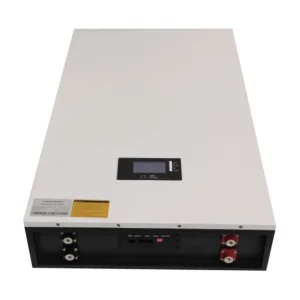
| Elemro SHELL 14.3kWh | 14.3 kWh | Modular High Voltage Option | LiFePO4 Modular Rack | Commercial Energy Buffer & Heavy Backup |
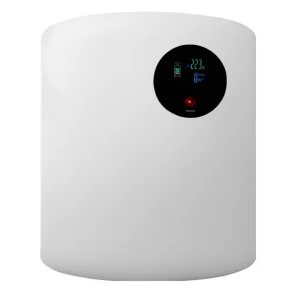
| Elemro LCLV 14kWh | 14.0 kWh | Low Voltage Standard | Integrated Multi-cabinet | Hybrid Renewable Energy Microgrids |
Access engineering interpretations and updates from our global field teams.
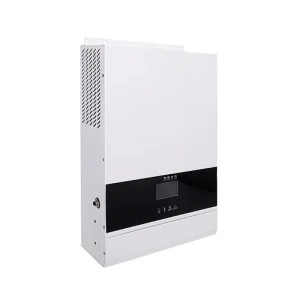
Exploring matching methodologies between hybrid residential inverters and high-voltage lithium battery banks to maximize conversion efficiency.
Published: Jul 07, 2023Comparing NMC degradation profiles against the thermal stability and long cycle life of LiFePO4 chemistry for energy storage systems.
Published: Jul 07, 2023A structured breakdown of load shifting, peak demand management, and backup power configurations for high-demand business sites.
Published: Jul 07, 2023Highlighting modular low-voltage configurations and BIPV solar panels at Southeast Asia's major energy and infrastructure exhibition.
Published: Nov 26, 2023How building integrated photovoltaics (BIPV) and high-density panels work alongside onsite battery storage to support net-zero operations.
Published: Nov 10, 2023Looking at the design features of stackable batteries, smart BMS modules, and automatic inverter communications.
Published: Sep 15, 2023




We ensure our energy storage hardware meets global regulatory requirements for simple local approvals.
Our manufacturing and system assemblies comply with standard safety certifications including UL1973, IEC62619, CE, and UN38.3. This ensures smooth project permitting and approval processes with local power utilities.
We supply necessary documentation and testing data, such as inverter response rates and harmonic profiles, to help engineering teams secure grid interconnection approvals with local utilities.
From initial design layout to final testing on site, our technical team offers support with mechanical placement, electrical wiring configurations, and system integration testing.
Detailed answers to common technical queries on battery life, cell chemistries, design options, and configuration logistics.
Submit your system specifications, capacity requirements, and target timeline. Our engineering team will review and reply within 24 hours.
 Elemro Energy