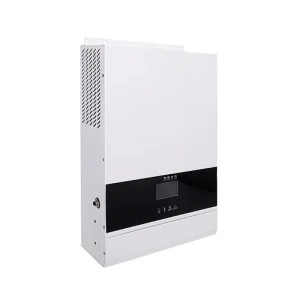
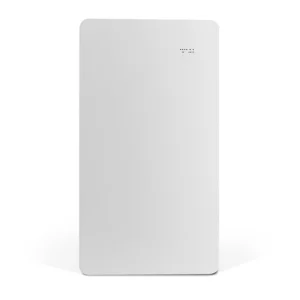
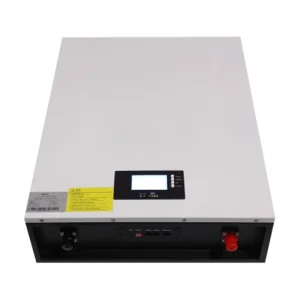
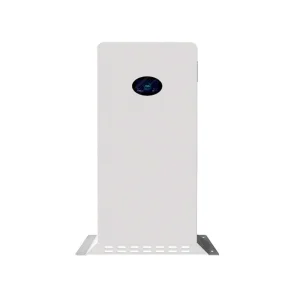
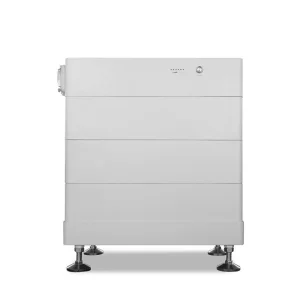
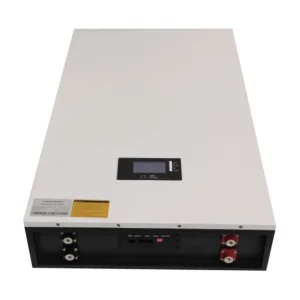
Explore our premium lineup of high-efficiency cells, inverters, and battery packs optimized for scalable PV infrastructures.
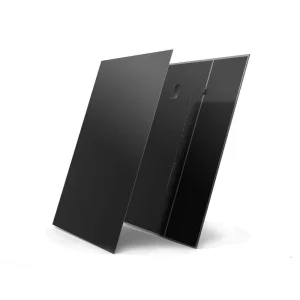
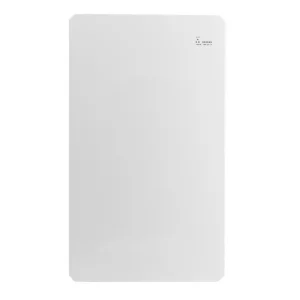
The global transition to zero-carbon grids has elevated batteries for PV systems from ancillary hardware to structural cornerstones. In commercial and utility-scale solar generation, lithium iron phosphate (LiFePO4) chemistry has emerged as the dominant technology, overtaking nickel manganese cobalt (NMC) due to superior thermal stability, lower degradation curves, and a cycle life often exceeding 6,000 iterations at 80% depth of discharge (DoD).
Commercial & Industrial (C&I) sectors utilize high-voltage stacked battery arrays to optimize energy management through peak shaving and load shifting. By decoupling photovoltaic generation from real-time consumption, corporations mitigate expensive demand charges imposed by grid operators during peak hours. In geographical regions plagued by unstable infrastructure, megawatt-scale battery systems provide microgrid autonomy, ensuring manufacturing operations remain uninterrupted during transient grid dropouts.
"The true potential of photovoltaic infrastructure lies in our ability to store dynamic energy generation reliably. The convergence of grid-scale energy storage and optimized PV systems is driving the next industrial evolution."
When engineers evaluate batteries for PV systems, they calculate the Levelized Cost of Storage (LCOS) rather than simple upfront hardware costs. Key performance indicators include Round-Trip Efficiency (RTE), battery management system (BMS) telemetry accuracy, thermal dissipation capacity, and safety certifications. High-voltage (HV) systems are increasingly favored for larger systems because they minimize conversion losses during power transmission between the battery stack and the three-phase central inverter.
| Parameters | LiFePO4 (LFP) Stacked | Lithium NMC | Traditional Lead-Acid |
|---|---|---|---|
| Cycle Life (80% DoD) | 6,000 - 8,000 Cycles | 3,000 - 4,000 Cycles | 1,200 - 1,500 Cycles |
| Round-Trip Efficiency | 92% - 95% | 90% - 93% | 75% - 82% |
| Thermal Runaway Point | 270°C (Highly Stable) | 210°C (Moderately Stable) | N/A (Gassing Risks) |
| Environmental Impact | Low (Cobalt-Free) | High (Cobalt Dependency) | High (Lead Pollution Risk) |
Why domestic manufacturing hubs like Xiamen, Fujian deliver unparalleled cost-to-performance ratios for energy storage products.
Proximity to raw materials refining, cell production, and BMS manufacturing hubs allows Chinese factories to control quality at every step, minimizing supply chain latency.
High-volume manufacturing lines use automated optical inspection (AOI) and robotic assembly to ensure precise tolerances, stable cell capacity matching, and reduced defect rates.
Leading facilities manufacture systems in strict accordance with international standards, securing UL 1973, IEC 62619, CE, and UN38.3 certifications to facilitate global market entry.
We provide cleaner energy for a greener world through advanced technologies spanning thin-film solar glass to heavy-duty storage containers.

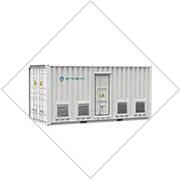
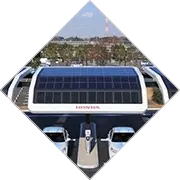
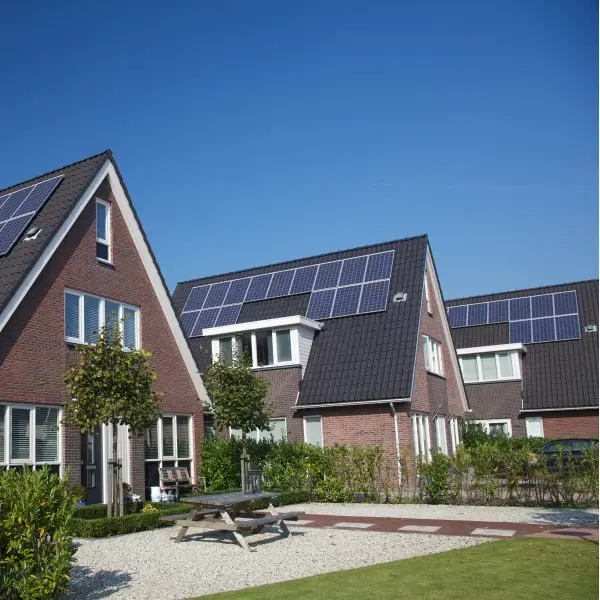
Energy storage requirements vary significantly depending on geography, grid infrastructure, and regional policy structures:
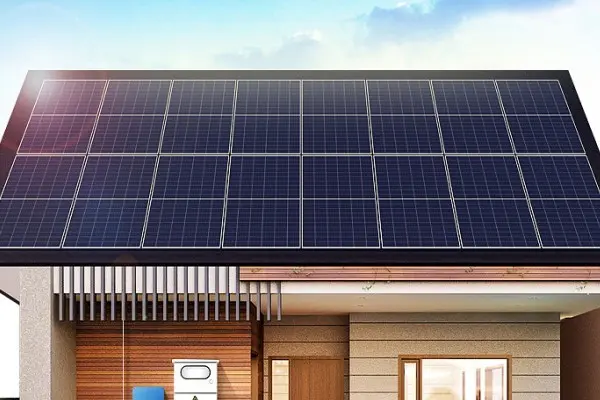
Building-Integrated Photovoltaics (BIPV) demand a unique approach to energy storage design. Unlike standard rooftop silicon panels, Cadmium Telluride (CdTe) thin-film solar cells generate power over a wider light spectrum, continuing to produce electricity in low-light and high-temperature conditions.
Storing this variable energy requires battery banks equipped with sophisticated charge controllers. These controllers must handle continuous, low-amperage input without causing cell polarization or BMS imbalance. Elemro's high-voltage stackable battery systems align with these BIPV properties, ensuring stable storage capacity for architectural solar projects.
Looking for a project quote or detailed product datasheets? Submit your inquiry, and our application engineers will respond within 24 hours.
Technical updates, application analysis, and corporate milestones in the global renewable energy storage industry.
Get answers to common queries regarding design, installation, and deployment of PV system battery storage solutions.
Lithium Iron Phosphate (LiFePO4) is widely considered the best chemistry for stationary PV systems. It offers a combination of long cycle life (6,000+ cycles), high thermal runaway thresholds, high round-trip efficiency, and contains no cobalt, making it a sustainable choice for residential and commercial projects.
Battery storage stabilizes the load profile of the inverter and reduces voltage spikes on the AC output. By managing excess solar generation locally, the battery mitigates thermal stress on power electronics, helping to preserve the overall system lifetime.
High-voltage battery stacks (typically above 200V) operate closer to the system's DC bus voltage. This reduces current levels, allowing for thinner wiring, lower transmission losses, and increased efficiency when paired with central hybrid inverters. Low-voltage batteries (commonly 48V) are simpler to install, making them standard for smaller residential systems.
CdTe thin-film panels perform well under diffuse lighting conditions, producing a steady but lower current over extended periods. To capture this energy efficiently, a battery system needs a compatible MPPT charge controller with a wide voltage input range to ensure consistent charging without dropping below the operational threshold.
Industrial and residential PV batteries should hold key international certifications, including IEC 62619 for industrial cell safety, UL 1973 for battery packs in stationary applications, and UN38.3 for safe transportation. These verify that the battery cell, BMS, and packaging meet high thermal and electrical safety standards.
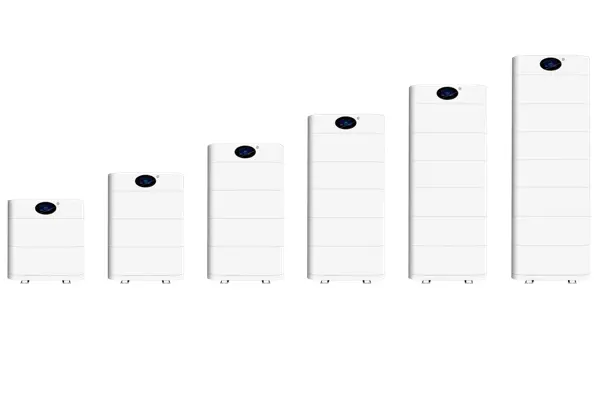
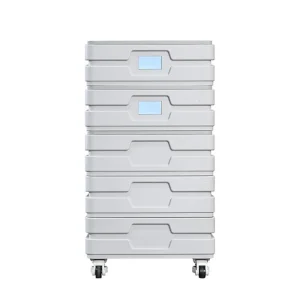
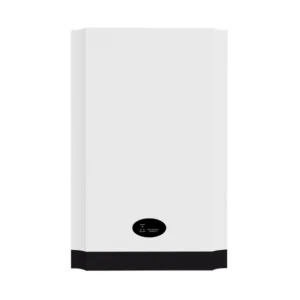
Our complete range of stackable high-voltage batteries, house storage systems, and specialized cells.





 Elemro Energy