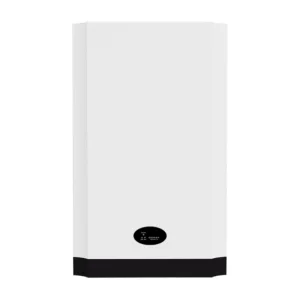
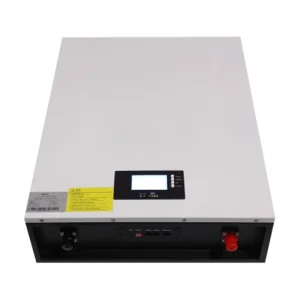
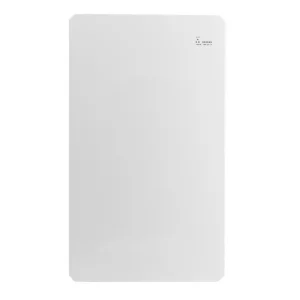
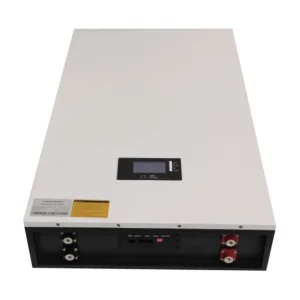
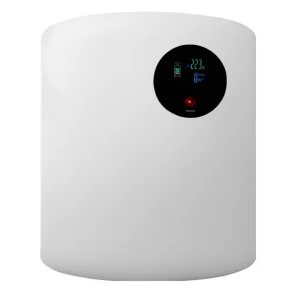
Premium, high-durability systems certified for global commercial deployments and structural grids.
The global energy landscape is undergoing a massive, structurally complex shift toward decentralization and decarbonization. According to leading renewable energy indexes, the global capacity for Battery Energy Storage Systems (BESS) is projected to grow exponentially over the next decade. Commercial and Industrial (C&I) organizations are facing unprecedented challenges due to grid congestion, fluctuating spot-market utility pricing, and stringent corporate ESG mandates. Advanced Energy Storage Systems (ESS) serve as the vital balancing mechanism to manage this volatility.
In Europe, energy security concerns and rising peak-load pricing are driving unprecedented investments in front-of-the-meter utility installations and behind-the-meter C&I storage setups. In the United States, policy measures like the Inflation Reduction Act (IRA) have stimulated long-term planning for grid integration, rewarding facilities that incorporate domestic or high-efficiency battery packs. Across emerging economies in Asia, Africa, and Latin America, localized microgrids powered by lithium storage systems are bypass solutions to weak central grids, providing clean, reliable, and consistent primary power.
Procurement leaders are focusing on the total lifecycle cost of storage assets, which demands a deep understanding of Levelized Cost of Storage (LCOS). Achieving a low LCOS requires components engineered for extreme endurance, advanced thermal management, and reliable integrated battery management systems (BMS).
Established in 2019 and headquartered in the highly strategic industrial hub of Xiamen, China, ELEMRO Energy has positioned itself as an industry-leading integrator and manufacturer in the global power market. In 2023, ELEMRO's annual turnover exceeded 50 million USD, reflecting rapid growth built on advanced research and development, end-to-end quality control, and unparalleled logistics capabilities.
China’s dominance in the new energy value chain is not merely a matter of scale; it is an optimization ecosystem. ELEMRO leverages this direct access to raw battery precursors, premium grade-A Lithium Iron Phosphate (LiFePO4) cell supplies, and high-efficiency manufacturing technologies to provide custom energy solutions. The integrated supply chain in Xiamen allows for rapid prototyping, robust stress testing, and fast production turnarounds, yielding substantial cost savings that are passed directly to international buyers.
From strict incoming material validation to active cell-balancing calibrations and hardware-in-the-loop (HIL) testing of our proprietary BMS, our factories follow strict ISO 9001 and ISO 14001 frameworks. The resulting products carry comprehensive safety documentation (UN38.3, CE, IEC 62619, UL certifications), ensuring seamless compliance with international customs regulations and local grid codes.
We provide cleaner energy for a greener world.

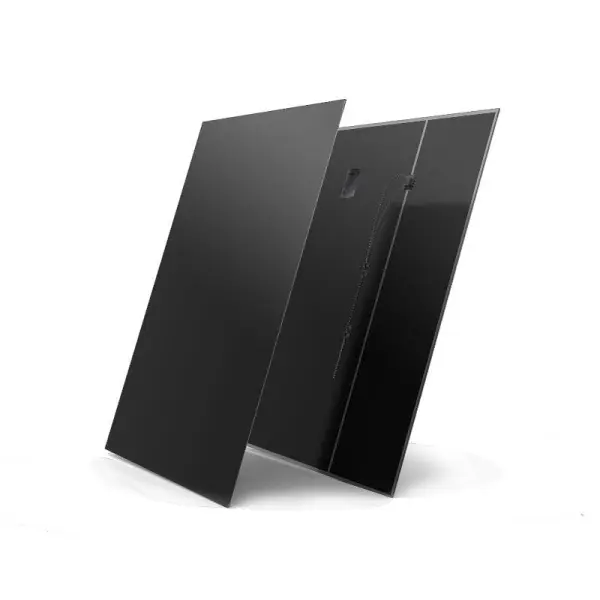
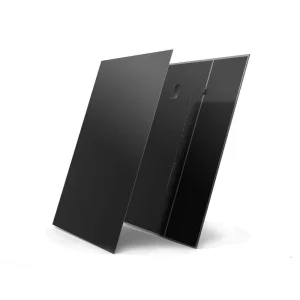
High-transparency photovoltaic structural glass designed to convert building facades into active green power generators.
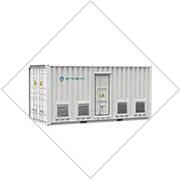
Scalable mega-watt scale battery enclosures containing liquid cooling systems and integrated fire safety features.
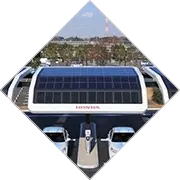
Decarbonized parking structures utilizing bifacial modules to shade vehicles and generate localized clean energy.
Selecting the ideal battery topology depends on your specific application requirements. Industrial requirements differ significantly from residential needs.
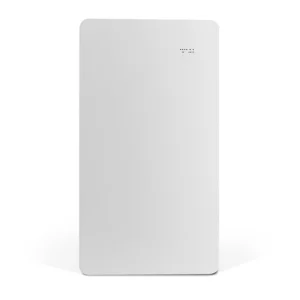
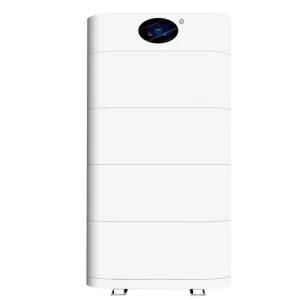
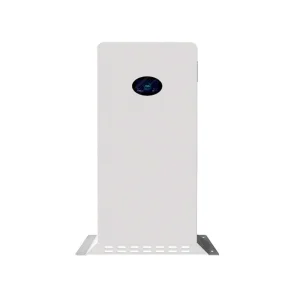
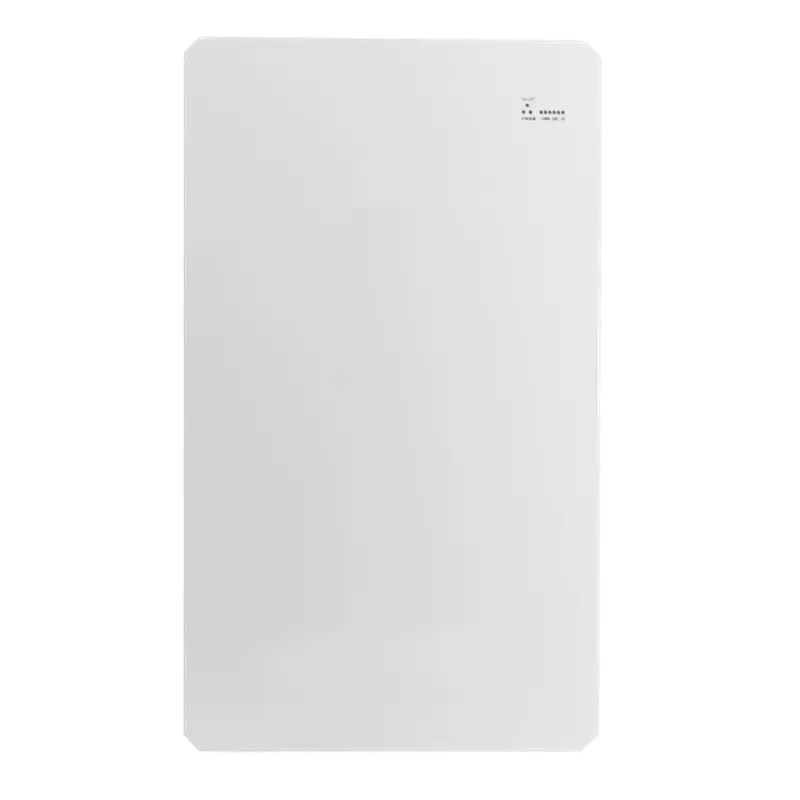
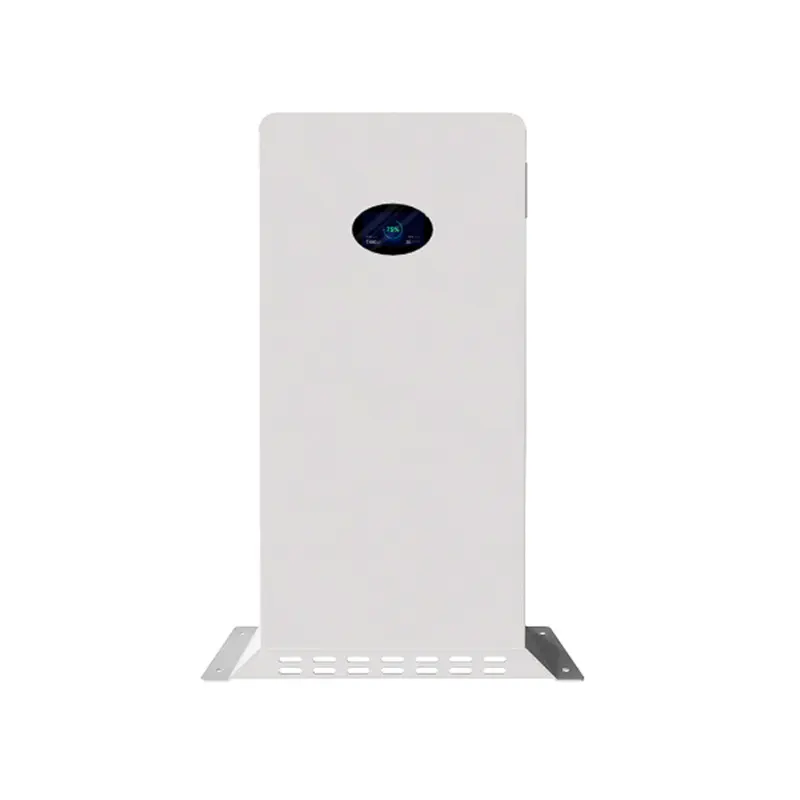
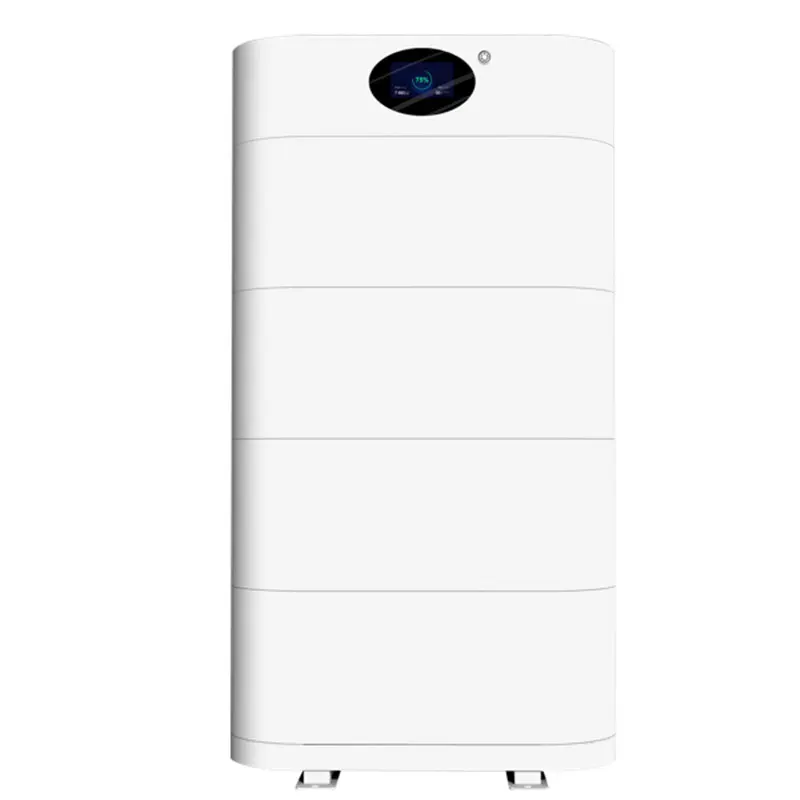
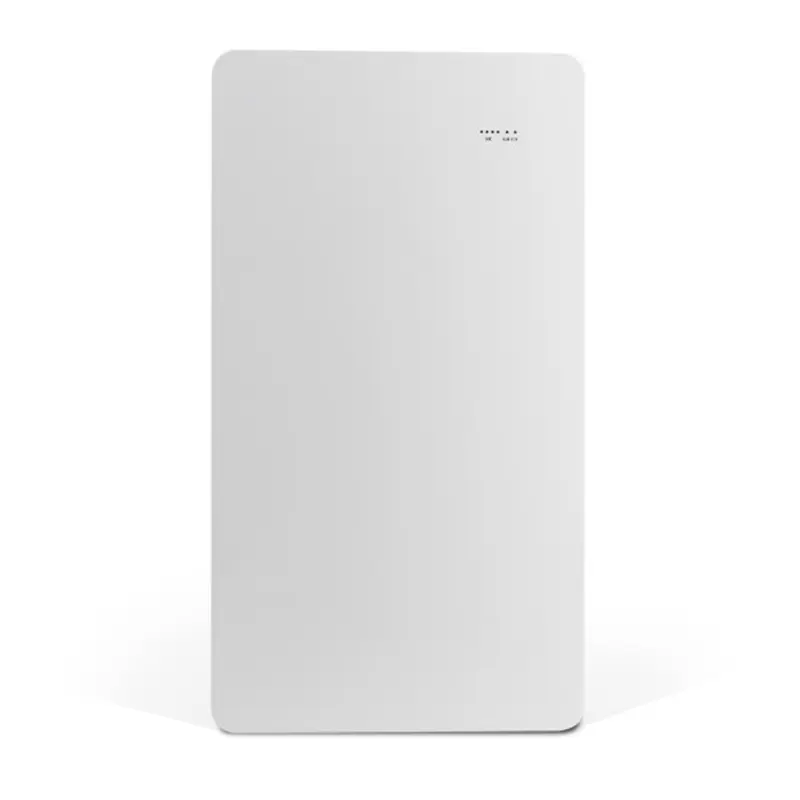
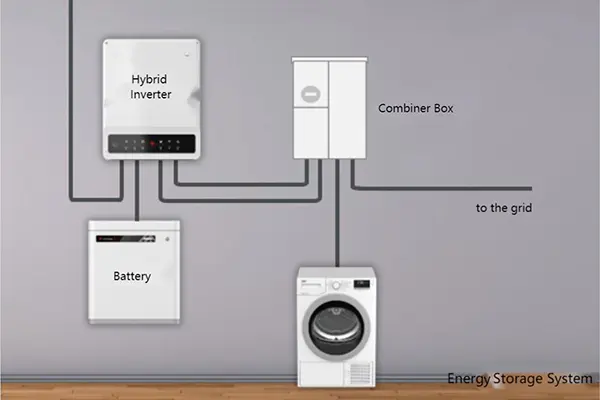
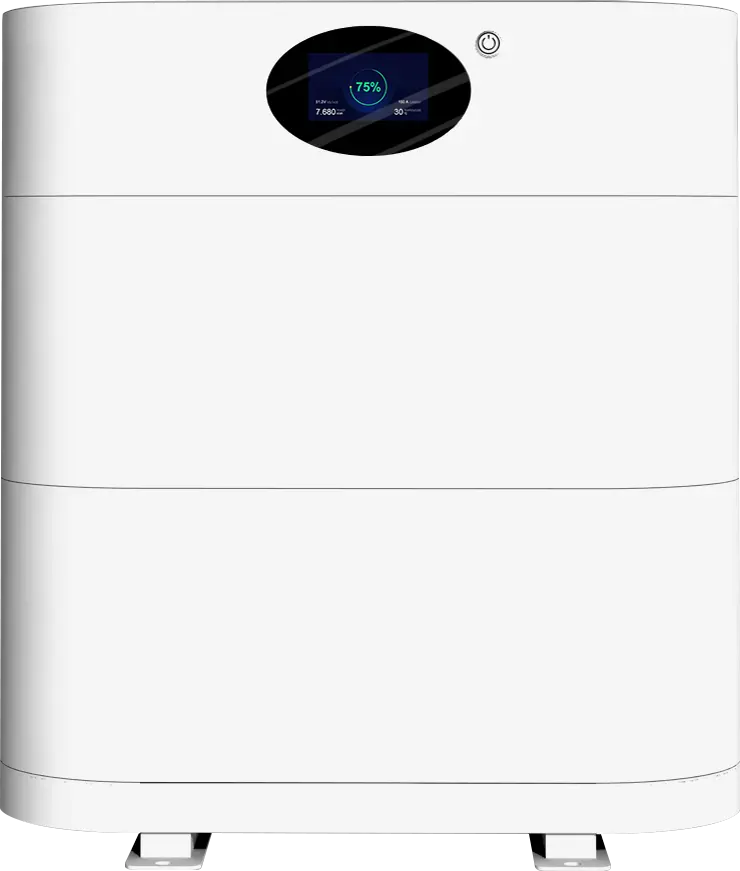
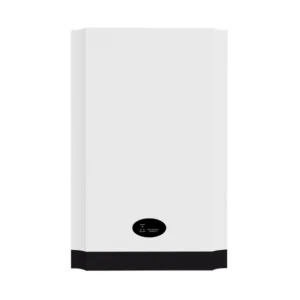
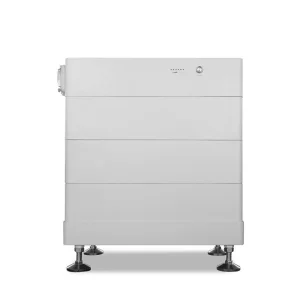
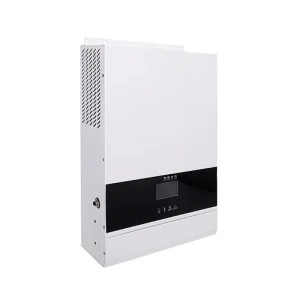
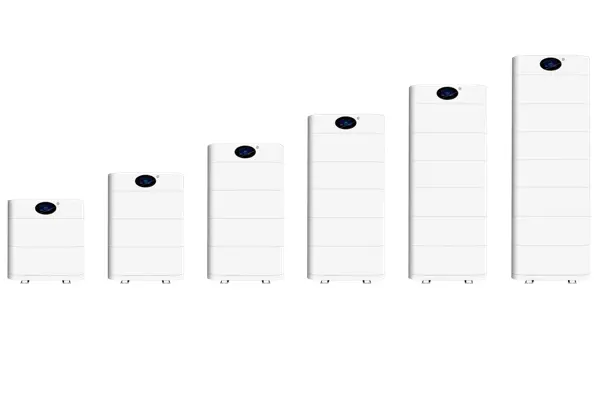
Homeowners prioritize space efficiency, safety, and seamless design. Stackable, modular high-voltage systems (like the Elemro WHLV series) provide easy scalability, allowing homeowners to scale capacity from 5kWh to over 40kWh to match their usage profiles. Built-in smart BMS interfaces communicate with major hybrid inverters to enable automatic switchover during grid disruptions.
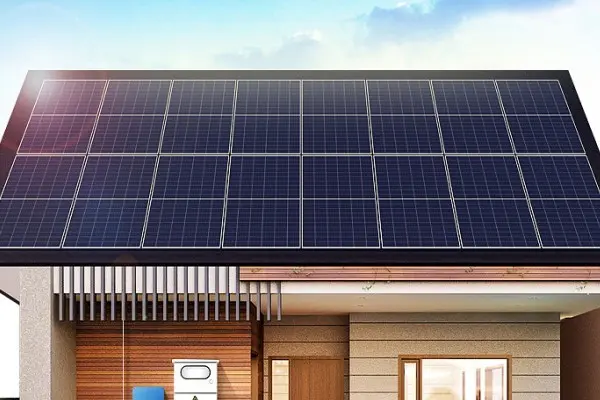
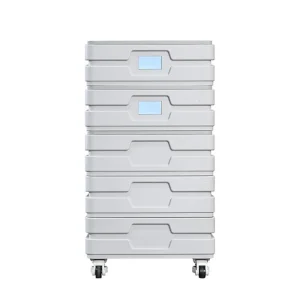
C&I operations utilize storage for peak-shaving, load-shifting, and backup power during grid outages. These applications use large rack-mounted batteries or containerized systems. Combining storage with local solar assets helps offset demand charges, improve power factor, and secure reliable supply for manufacturing facilities.
Urban commercial buildings leverage CdTe (Cadmium Tellurium) thin-film solar modules integrated into glass facades. Unlike traditional silicon, CdTe provides superior performance in low-light and high-temperature environments. Combining BIPV with localized battery storage creates self-sustaining net-zero energy structures.
Grid operators deploy utility-scale BESS for frequency response, voltage regulation, and grid congestion relief. By storing excess energy during periods of high generation and discharging it during peak demand, these advanced systems support grid stability and help reduce renewable curtailment.
Start a green and convenient life with Elemro Energy.
Evaluating energy storage solutions requires analysis of key technical parameters that affect long-term reliability and system safety. B2B procurement teams should focus on these critical performance indicators:
The energy storage sector continues to evolve with advancements in chemical formulations, safety features, and system control software.
One major trend is the development of next-generation BMS platforms that utilize machine learning to predict cell degradation and optimize charge cycles. By monitoring individual cell health in real time, these smart systems help maximize operating lifetimes and mitigate potential safety risks.
In addition, solid-state battery technology represents a promising future development, offering the potential for higher energy densities and enhanced safety profiles. Manufacturers are also developing hybrid configurations that combine fast-responding batteries with long-duration flow batteries to support diverse grid demands.
At ELEMRO Energy, our R&D team works closely with leading research institutions to incorporate these emerging technologies, ensuring our product line remains at the forefront of grid safety, efficiency, and reliability.
For inquiries about our products or pricelist, please leave your email to us and we will be in touch within 24 hours.
Stay informed with technical analyses and updates from our engineering department.
Expert answers to common technical queries about advanced lithium battery storage systems.
Lithium Iron Phosphate (LiFePO4) offers significant safety and performance advantages over other lithium chemistries. It features high thermal stability, eliminating the risk of thermal runaway under normal operating conditions. Additionally, LiFePO4 cells provide long cycle lives—often exceeding 6,000 charge-discharge cycles at 80% Depth of Discharge (DoD)—making them a cost-effective choice for long-term installations.
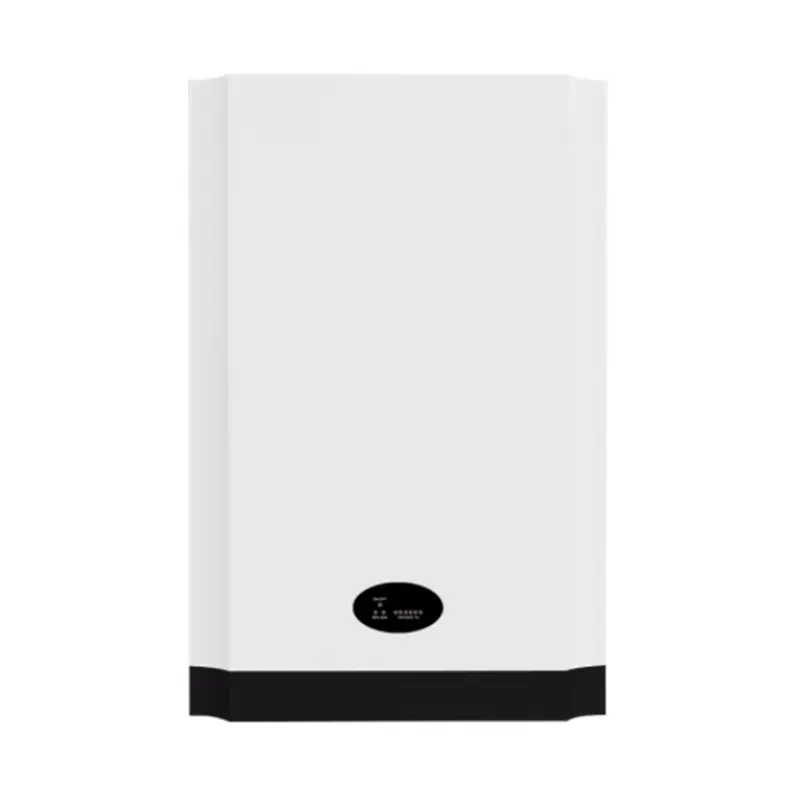
Stackable battery designs allow for modular expansion without requiring extra wall space or complex mounting hardware. Users can scale their storage capacity by simply stacking additional modules. Wall-mounted systems offer a compact, space-saving footprint ideal for residential garages or utility rooms where floor space is limited. Both configurations utilize high-efficiency battery management to ensure safe and balanced operation.
High-voltage systems reduce transmission losses during charge and discharge cycles by operating at higher voltages and lower currents. This configuration reduces cable sizing requirements, simplifies thermal management, and improves compatibility with high-power C&I inverters. The result is higher system efficiency and lower installation costs for large-scale energy setups.
For safe and compliant deployment, verify that systems are certified to key international standards. Look for UN38.3 compliance to ensure transport safety, IEC 62619 for industrial cell and module safety, and UL 1973/UL 9540 standards for residential and commercial energy storage systems. These certifications ensure the hardware meets rigorous thermal, electrical, and mechanical testing requirements.
Cadmium Telluride (CdTe) thin-film solar cells perform well under diffuse or low-light conditions, such as on vertical building facades. They also have a low temperature coefficient, meaning their efficiency drops less in high temperatures compared to silicon panels. This performance profile makes them highly suitable for Building Integrated Photovoltaics (BIPV) where panels are integrated into architectural glass.
Our systems are engineered using premium Grade-A cells and advanced BMS platforms, delivering an expected design life of 10 to 15 years under typical daily cycling. Each battery module features cell-level protection against overcharging, overdischarging, and overtemperature conditions, helping ensure long-term performance and reliability.
Explore our complete catalog of certified lithium batteries, inverters, and scalable power solutions.





 Elemro Energy