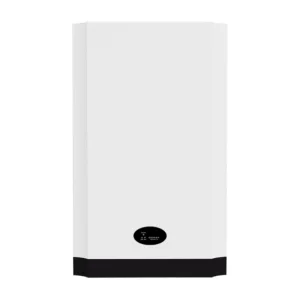
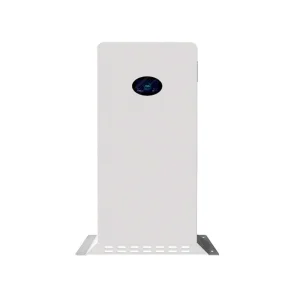
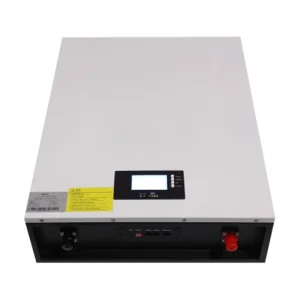
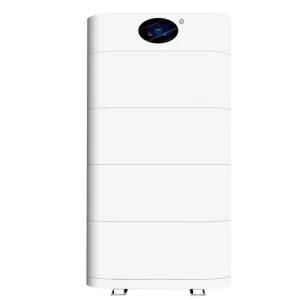
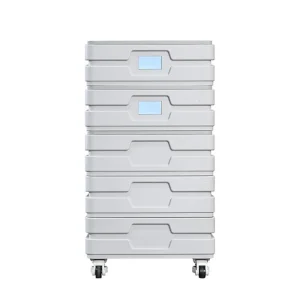
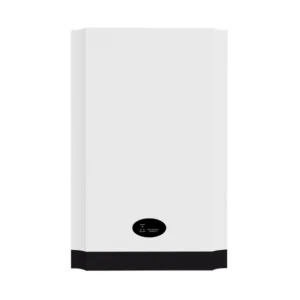
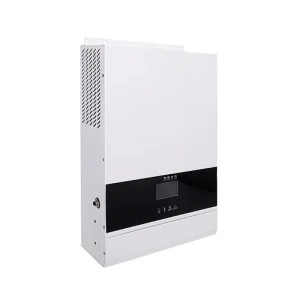
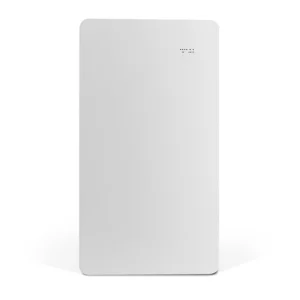
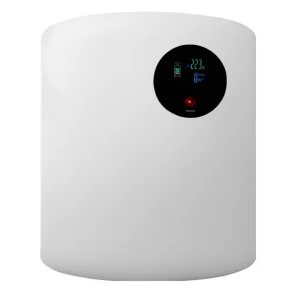
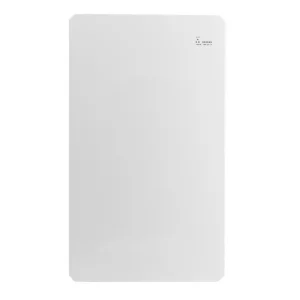
Explore our top tier line of residential energy storage solutions engineered for modern household demands.
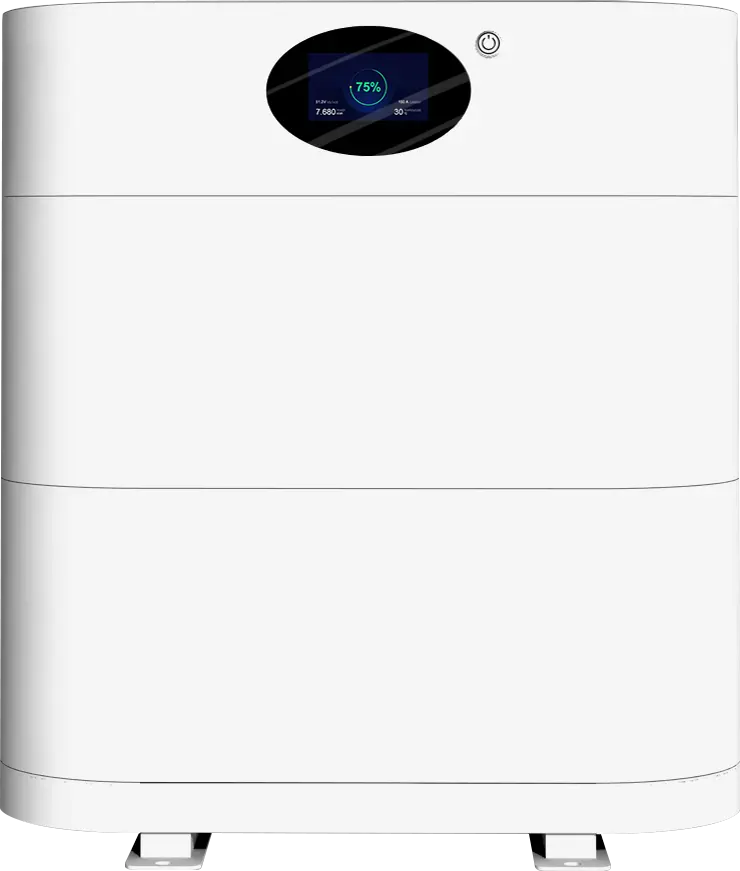
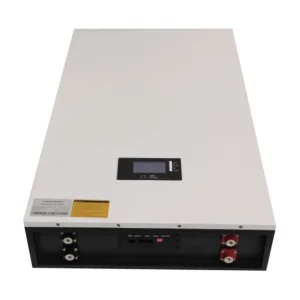
As the global energy transition accelerates, residential consumers and commercial entities are adopting decentralized power generation systems. At the heart of this transition is the 5kW home battery. Also frequently specified in electrical bills of materials as a 48V 100Ah or 51.2V 100Ah lithium iron phosphate (LiFePO4) battery pack, this unit capacity represents the optimal thermodynamic and economic balance for residential grid compliance.
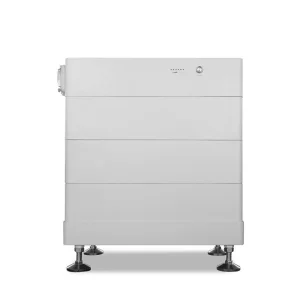
A standard 5kW / 5kWh system configuration serves as the foundational modular block for energy storage. It fits the typical base daily backup requirement for essential household circuits (lighting, communications, refrigeration, and light water-pumping loads). Because these units are highly modular, commercial developers and distribution networks can easily scale them in parallel to meet 10kWh, 15kWh, or 20kWh system demands without altering the base system engineering topology.
Global procurement specialists seeking the most reliable 5kW home battery manufacturers naturally turn to China's industrial clusters. This geographical concentration is not merely a product of labor cost advantages; it is driven by deep engineering integration and supply chain completeness:
The energy storage landscape is evolving rapidly, shifting from simple battery storage toward intelligent energy nodes. High-performing factories must master several core technology shifts to stay competitive:
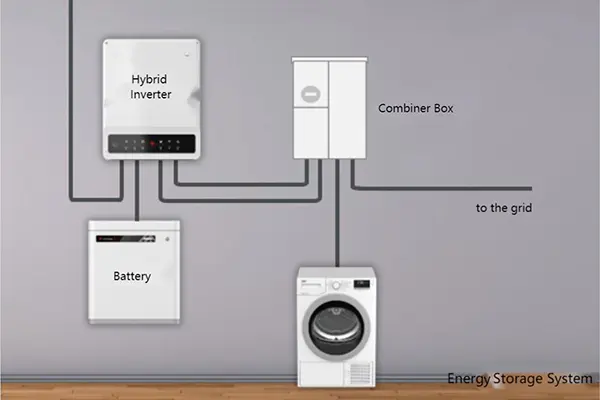
While low-voltage (LV) 48V/51.2V configurations remain standard due to their safety and simple installation, high-voltage systems (ranging from 150V to over 400V DC) are growing in popularity. HV designs allow developers to connect batteries in series rather than parallel, keeping system currents low. This minimizes thermal losses ($I^2R$), reduces system cabling size requirements, and improves the round-trip conversion efficiency of hybrid solar inverters.
A modern BMS is no longer just a protection board; it is an intelligent edge-computing unit. Advanced BMS hardware integrates dual microcontrollers to monitor cell-level temperatures, state of charge (SoC), and state of health (SoH) via Coulomb counting and dynamic electrochemical impedance spectroscopy (EIS). Standard software features must include multi-protocol CANbus, RS485, and RS232 communication interfaces to seamlessly integrate with top inverter brands like Victron, Growatt, Deye, and SMA.
The transition from cylindrical 18650/32700 cells to heavy-duty prismatic LiFePO4 cells (often rated at 100Ah or 200Ah) has simplified pack designs. This transition reduces the number of electrical connections by over 80%, lowering internal resistance and reducing potential failure points. Modern prismatic cells deliver over 6000 cycles at 80% Depth of Discharge (DoD) before their capacity drops to 80% of its original rating.
Established in 2019 and headquartered in the high-tech hub of Xiamen, China, ELEMRO Energy has positioned itself as a leading provider of new energy storage and electrical product solutions. With a business model that integrates R&D, advanced manufacturing, and global sales, we deliver robust solutions designed for a wide range of operating conditions.
ELEMRO's products serve more than 250 enterprise clients in Europe, Southeast Asia, Africa, the Middle East, and the Americas. Backed by solid technical execution, ELEMRO's annual turnover is expected to exceed $50 million USD in 2023, reflecting our strong position in the global residential energy market.

Understanding user intent requires matching hardware to real-world deployment challenges. 5kW home batteries play a key role in several localized and utility-scale application scenarios:
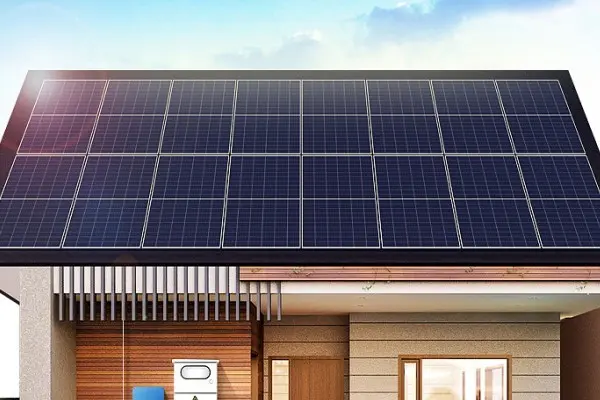
In developing regions and remote microgrids, utility grids can be unstable or non-existent. A 5kW LFP battery provides a reliable base power supply when paired with solar panel installations. In these setups, the battery runs daily cycles: storing solar power during the day and discharging it at night, which reduces the house's reliance on expensive diesel generators.
In developed markets across Europe and North America, utilities charge varying rates throughout the day. Homeowners use their 5kW battery systems to store inexpensive energy during off-peak hours (or directly from solar modules) and discharge it during peak-rate windows. This protects consumers from high electricity costs and reduces load on the grid during peak hours.
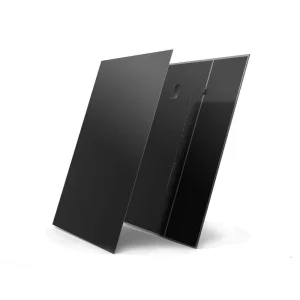
Modern architectural projects are shifting toward Building-Integrated Photovoltaics (BIPV). Technologies like Cadmium Tellurium (CdTe) thin-film solar glass and solar carports transform building facades and parking lots into solar generators. These systems rely on 5kW battery units to store generation spikes locally, transforming homes and offices into self-contained green microgrids.
For international distributors and EPC contractors, purchasing from Chinese factories requires careful verification of technical compliance. Ensure your suppliers meet the following global standards:
Connect directly with our engineering division in Xiamen. Get customized configurations, shipping advice, and bulk pricing details within 24 hours.
We provide cleaner energy for a greener world.

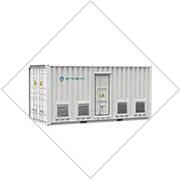
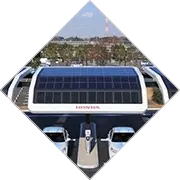
Stay up-to-date with technical articles, event updates, and energy storage advice from our engineering team.
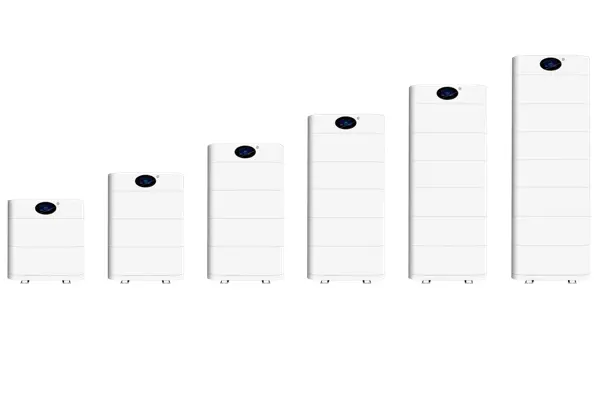
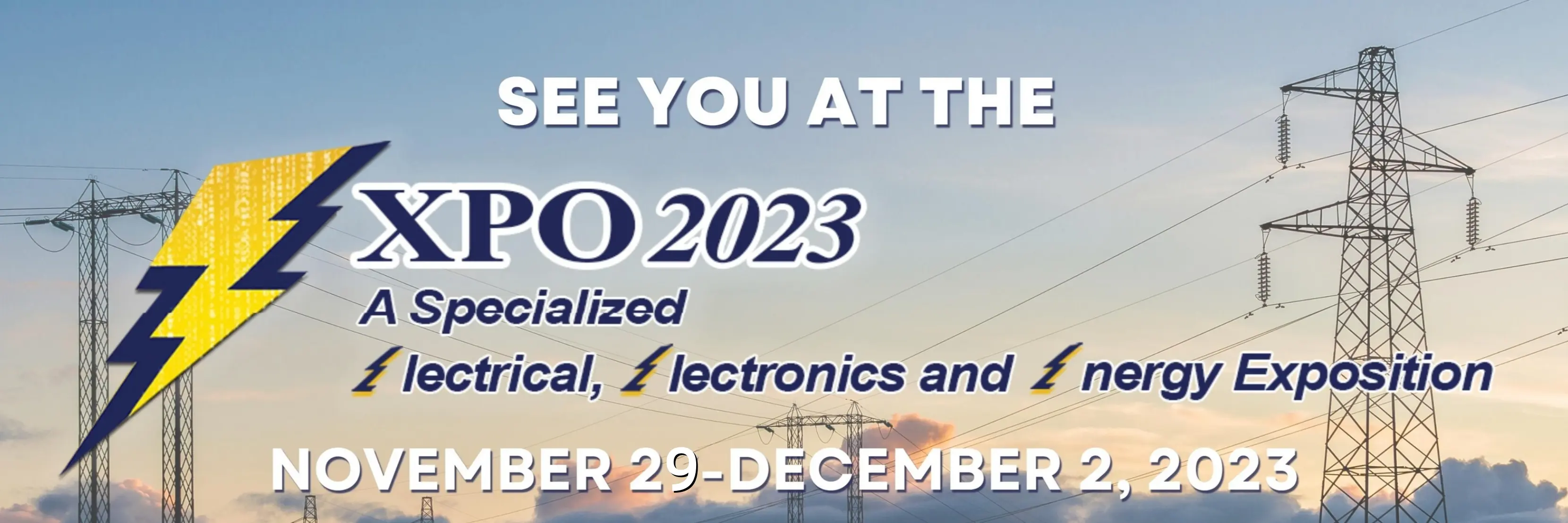
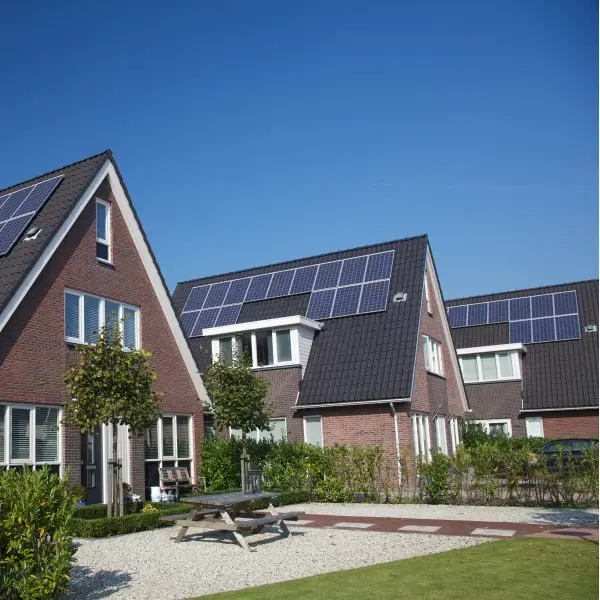
Pair your 5kW storage setup with high-voltage battery arrays, high-efficiency hybrid inverters, and specialized solar modules.





 Elemro Energy