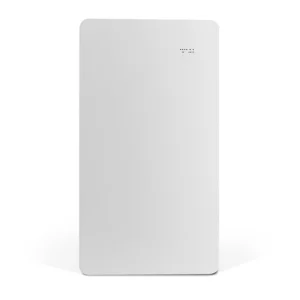
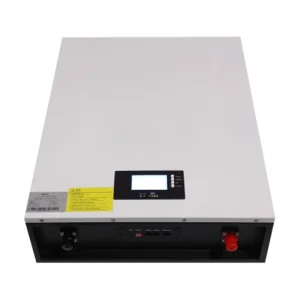
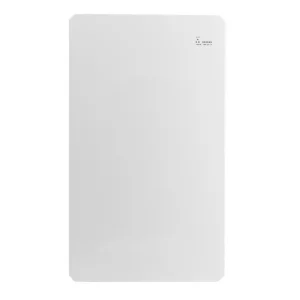
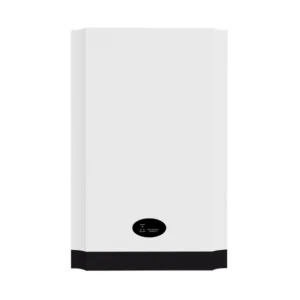
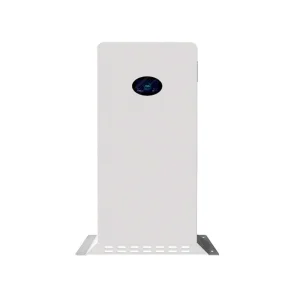
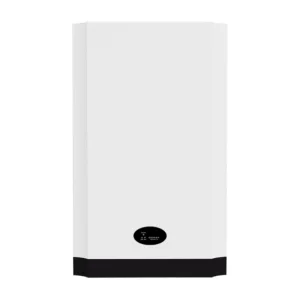
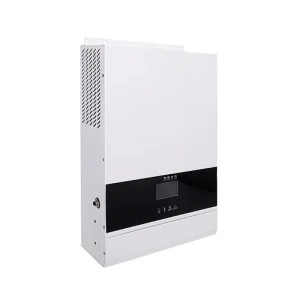
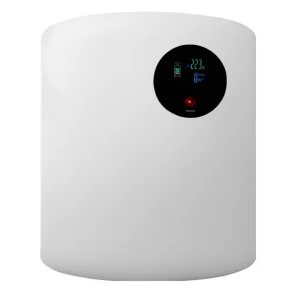
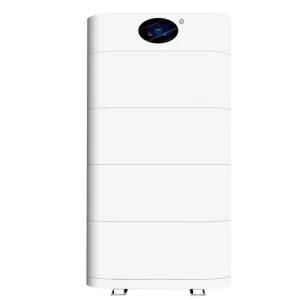
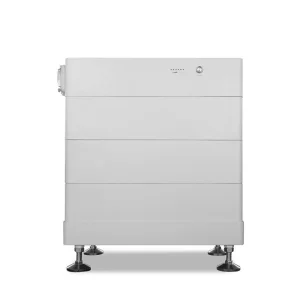
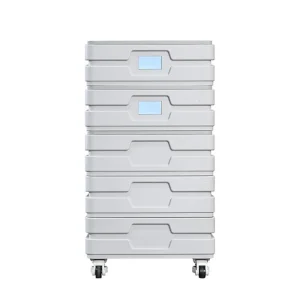
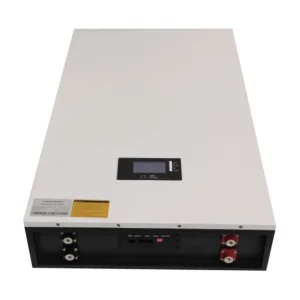
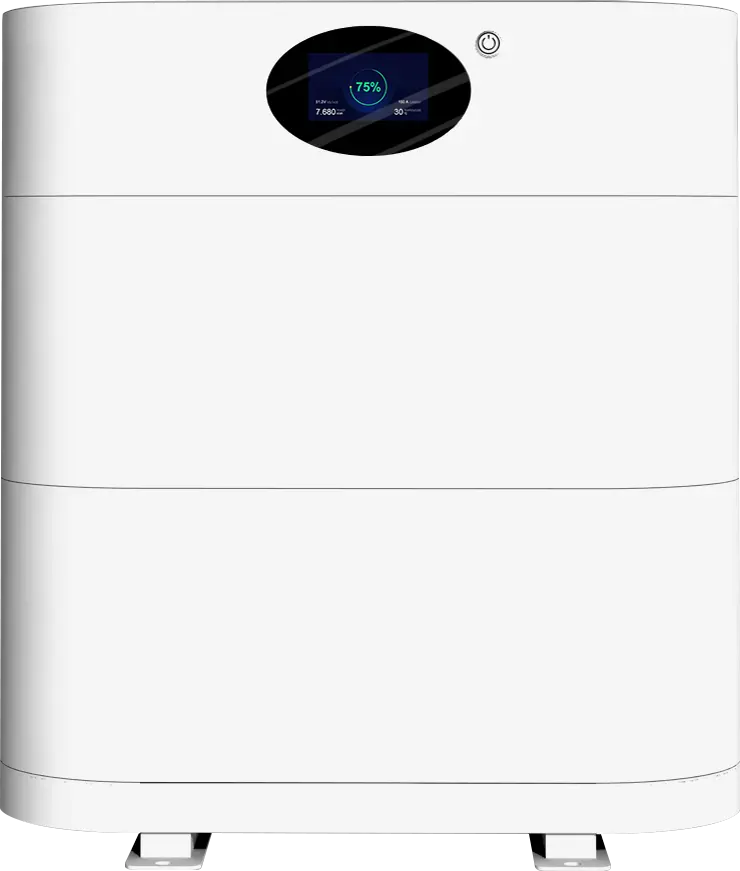
In modern decentralized power grids, the 4.8 kW (often categorized under 4.8kWh / 51.2V 100Ah) battery storage module functions as the foundational block for residential, commercial, and telecommunications backup networks. Utilizing lithium iron phosphate (LiFePO4) chemistry, these systems deliver exceptional thermal stability, structural durability, and high depth-of-discharge parameters. This guide evaluates top manufacturing processes, performance criteria, and optimization parameters essential for sourcing agents, system installers, and distributors worldwide.
Premium selection of low-voltage and high-voltage battery storage systems configured for ultimate grid resiliency.
When sourcing battery systems, identifying the correlation between continuous load power capacity (kW) and energy storage capacity (kWh) is critical. A standard 4.8 kW battery storage unit generally references a pack configured with a nominal capacity of 100Ah operated at 48V (nominal 51.2V in standard 16S LFP chemistries). This nominal power delivery allows systems to discharge at rates of up to 1C, meaning it can supply a continuous 4.8 kW power output for approximately one hour under standard temperature configurations.
| Electrical Parameter | Technical Specification Value | Engineering Significance |
|---|---|---|
| Nominal Capacity | 100Ah / 4.8 kWh (usable 4.8 - 5.12 kWh) | Defines runtime capability under localized residential loads. |
| Nominal Voltage | 51.2 V (16S cell topology) / 48 V (15S topology) | Ensures low-voltage inverter safety and high current efficiency. |
| Max. Continuous Discharge Rate | 1.0C (100A continuous discharge) | Allows continuous supply up to 4.8 - 5.12 kW peak loads. |
| Cycle Reliability | ≥ 6,000 cycles at 80% Depth of Discharge (DoD) | Provides 15+ years operational lifespan in daily cycling setups. |
| Communication Protocols | CAN, RS485, RS232 | Integrates seamlessly with multi-brand hybrid inverters. |
By standardizing residential deployments on 51.2V architectures instead of 12V or 24V topologies, battery factories minimize systemic thermal loss (I²R losses). Low-voltage operations (under 60V DC) drastically lower safety certification hurdles (like UL9540A and CE LVD standards) while preserving system expandability. Users can scale setups up to 15 modules in parallel, effectively achieving up to 72 kWh of scalable storage capacity.
China produces over 70% of the world's raw LFP materials and active components. China-based factories optimize production yields through vertical integration of raw cathode materials, cell packing facilities, and active cell sorting.
From cell sorting via strict OCV (Open Circuit Voltage) boundaries to Automated Optical Inspection (AOI) of laser welding paths, Chinese manufacturers deploy advanced QC lines. This eliminates micro-short risks and prevents premature degradation.
In-house electrical and software engineers continuously customize BMS architectures to match shifting inverter firmware updates. Sourcing teams get instant access to custom mechanical form-factors, wall-mounted designs, or rack systems.
Established in 2019 and headquartered in Xiamen, China, ELEMRO Energy has positioned itself as an industry-leading, specialized manufacturer of new energy storage configurations and intelligent electrical product solutions. Combining progressive R&D, precision manufacturing lines, and a robust global sales infrastructure, ELEMRO delivers unparalleled solutions designed to empower a greener tomorrow.
ELEMRO’s products are deployed by more than 250 enterprise buyers spanning across Europe, Southeast Asia, Africa, the Middle East, and the Americas. By focusing on quality execution, ELEMRO's annual turnover hit an estimated 50 Million USD in 2023, reflecting rapid annual scaling built on trust, innovation, and long-term customer partnerships.

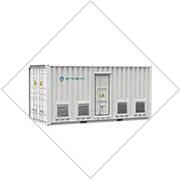
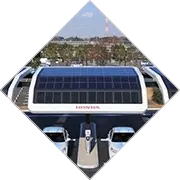
Analyzing how the 4.8 kW (4.8kWh/51.2V 100Ah) capacity functions in key installation zones globally.
In remote regions where grid extension is economically unfeasible, a 4.8 kW system coupled with a 5 kVA off-grid inverter supplies continuous electricity to low-load appliances, LED lighting arrays, and dynamic security networks. Integrated telecommunications sites utilize these modules in standard 19-inch racks to ensure continuous cellular operation.
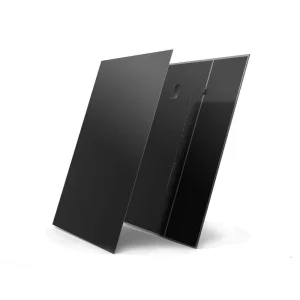
For light commercial setups and BIPV architectures (utilizing technologies such as CdTe thin-film panels), multiple 4.8 kW modules can be configured in parallel to establish micro-storage grids. The system absorbs photovoltaic yield peaks and discharges energy during periods of limited sun exposure, mitigating peak utility pricing.
Paired with smart home energy management systems (HEMS), a 4.8 kW storage system stores solar energy generated during midday peak hours. This stored power is later consumed during evening peak hours, reducing reliance on the grid and providing essential backup during power outages.
B2B buyers, utility contractors, and international distributors require a checklist of compliance standards to ensure importing stability and product safety. The procurement of 48V/51.2V 100Ah battery storage systems involves verifying specific industrial credentials:
Ensure factories provide UN38.3 test reports and MSDS documents, which are legally required for logistics and sea freight compliance. To ensure localized utility approval, systems should feature CE (LVD/EMC), IEC 62619, and UL 1973 certifications.
Verify that the battery management system (BMS) includes pre-configured CAN bus and RS485 communication protocols compatible with major hybrid inverters (e.g., Victron, Growatt, Deye, SMA, and Solis).
Read our technical analyses covering solar inverters, battery safety, and system integration strategies.
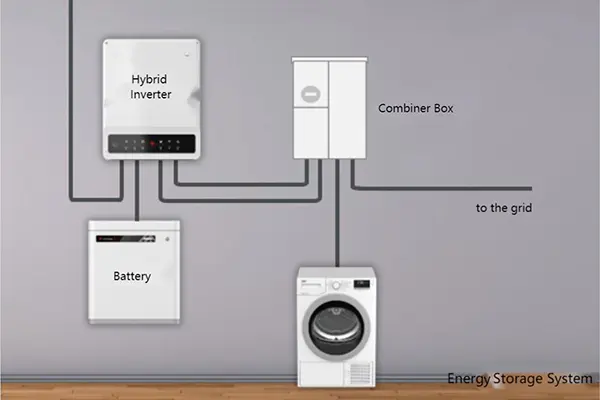
Understanding the interface mechanics and voltage alignment between standard 4.8 kW battery modules and low-voltage hybrid inverters.
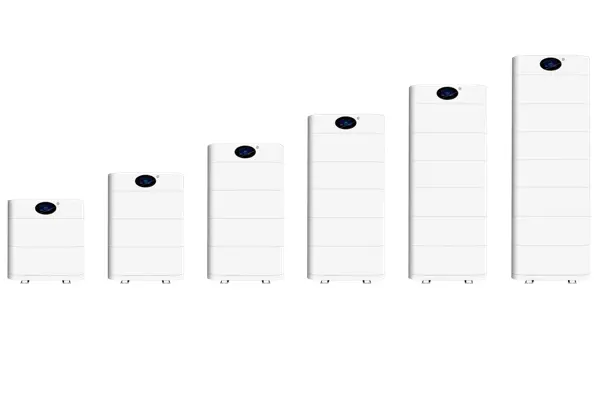
An objective comparison evaluating LFP energy density against NMC variants, with a focus on stability and longevity.
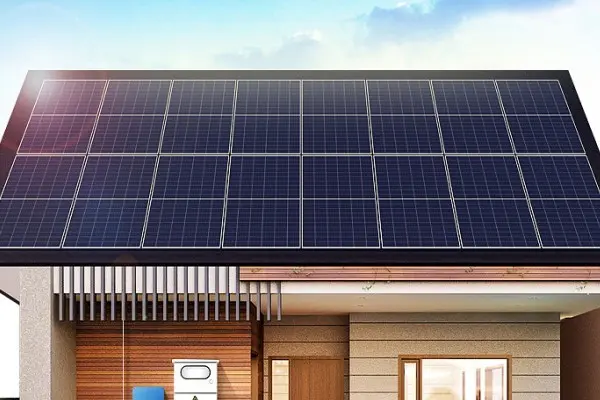
Analyzing multi-rack system deployment and capacity sizing for peak-load shifting within urban environments.
Highlighting ELEMRO’s international expansion and product displays at key Southeast Asian energy expos.
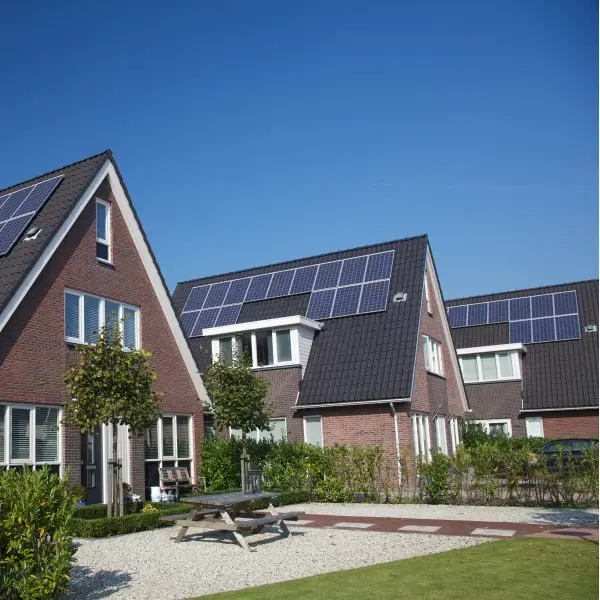
Evaluating solar cell conversion efficiency and system integration with low-voltage storage units.
A granular analysis of cycle degradation, safety relief valves, and localized environmental operating thresholds.
For inquiries about our products, global compliance, custom OEM layouts, or price listings, please submit your requirements. Our technical sales team will contact you within 24 hours.
Discover high-voltage, low-voltage, and stackable options for diversified energy projects.




 Elemro Energy