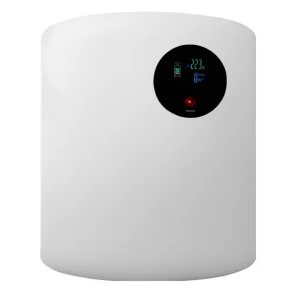
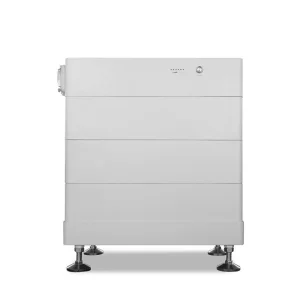
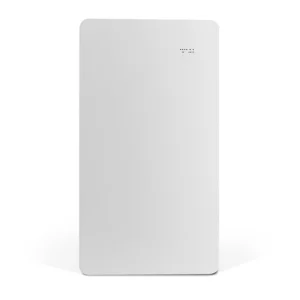
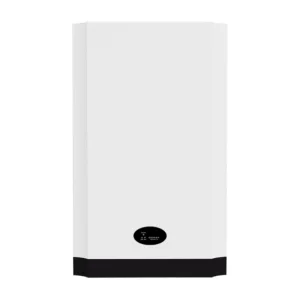
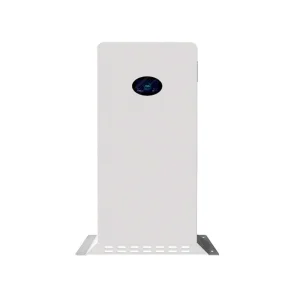
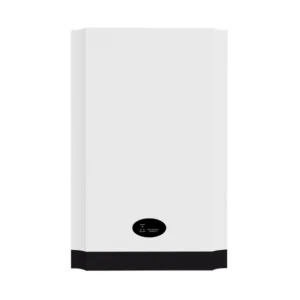
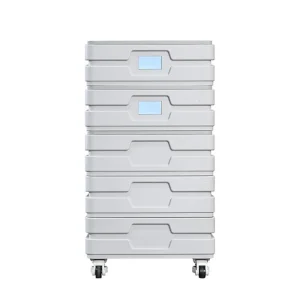
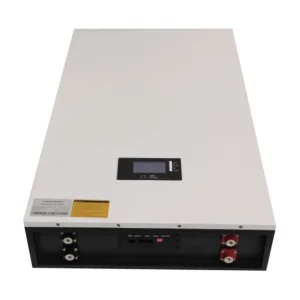
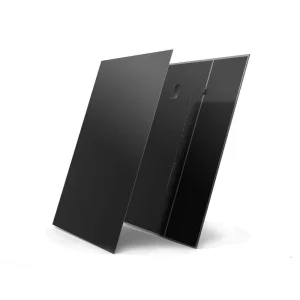
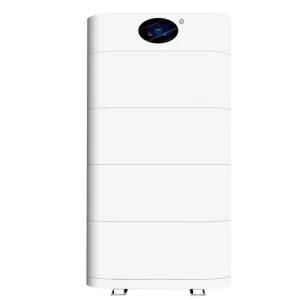
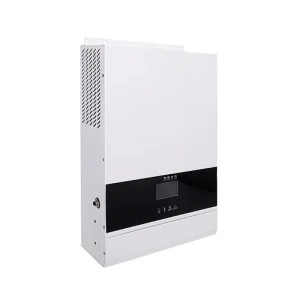
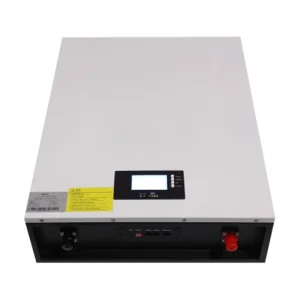
High-durability battery packs and complete storage modular architectures engineered for immediate grid and C&I integration.
In the transition to next-generation energy networks, utility grid systems, and commercial microgrids, the 1 MWh Battery Energy Storage System (BESS) has emerged as the global benchmark. Bridging the gap between distributed residential setups and massive gigawatt-scale infrastructure projects, these systems deliver optimal performance, reliability, and economic feasibility. The deployment of a 1 MWh battery system allows industrial parks, heavy factories, and municipal utilities to optimize energy yields and reduce carbon footprints.
SEO Insight Gain: A 1 MWh battery is not merely a collection of chemical cells; it is a complex infrastructure containing thermal systems, active battery management units, fire suppression, and localized Power Conversion Systems (PCS) working in synchrony to stabilize the electrical grid.
Choosing the correct 1 MWh battery factory requires analyzing the manufacturer's vertical integration capability. A top-tier factory controls the entire line, from cell chemical formulations (lithium iron phosphate - LiFePO4) to the structural alignment of standard 20-foot shipping containers. High-quality production ensures minimal internal resistance deviation, stable thermal patterns, and an outstanding Levelized Cost of Storage (LCOS).
Across Europe, North America, and parts of Asia, power networks face unprecedented stress due to volatile renewable generation and escalating grid congestion fees. The commercial energy landscape has evolved, demanding solutions that protect against grid outages and rising peak pricing. Let's analyze how different regions utilize 1 MWh BESS arrays:
European C&I entities face volatile electricity tariffs and peak pricing structures. Integrating 1 MWh BESS platforms allows industrial operations to smooth loads and participate in Fast Frequency Response (FFR) markets to unlock additional revenue streams.
Driven by the Inflation Reduction Act (IRA) and regional incentives like SGIP in California, American businesses are deploying 1 MWh containerized units. These systems mitigate peak demand charges, which can account for up to 50% of monthly commercial electric bills.
In regions with developing grid infrastructures, 1 MWh batteries serve as central microgrid controllers. When combined with solar PV generation, they provide reliable primary power for manufacturing plants, mining camps, and remote agricultural projects.
A standard 1 MWh battery system incorporates advanced chemical engineering and high-voltage electrical design. Standardizing these layouts into specialized shipping containers ensures thermal management, safe transport, and rapid installation.
Understanding the inner mechanics of a 1 MWh containerized BESS requires detailing its key subsystems:
LFP chemistry remains the industry benchmark for commercial and industrial stationary storage. LFP cells offer a high thermal runaway threshold (approx. 270°C compared to NMC's 210°C), zero cobalt usage, and a long cycle life (typically 6,000+ full charge-discharge cycles at 80% Depth of Discharge). These traits deliver a lower total cost of ownership (TCO) over a 15-year operating lifespan.
System safety relies on a hierarchal BMS architecture. The cell-level monitoring modules measure voltage and localized temperature. The rack-level manager handles balancing, current regulation, and state-of-charge calculation. Finally, the container-level system coordinates with the Power Conversion System (PCS) and fire-suppression logic. This hierarchy ensures rapid isolation in the event of voltage anomalies.
Maintaining battery core temperatures between 20°C and 30°C is critical to mitigating degradation. While forced-air cooling remains cost-effective, liquid cooling systems (circulating water-glycol mixtures through integrated cooling plates) provide superior thermal uniformity (temperature variance < 2°C across cells). This uniformity enhances cycle life and improves round-trip efficiency (RTE) up to 92%.
Factory Testing Checklist: When sourcing from a 1 MWh battery factory, confirm compliance with UL 9540A testing. This protocol validates that thermal runaway at the cell level does not propagate across racks, ensuring safe operation near commercial buildings.
Modern megawatt storage systems integrate localized fire safety controls. These include multi-point gas detection (monitoring carbon monoxide and hydrogen off-gassing) linked to automated aerosol fire suppression units (such as Stat-X or Novec 1230) and secondary sprinkler hookups. This design meets the stringent safety standards of local building and environmental regulations.
R&D-driven manufacturing, global logistics capabilities, and a commitment to green power generation.
Established in 2019 and headquartered in Xiamen, China, Elemro Energy is a market leader in the new energy industry, integrating R&D, production, and sales. Sourcing electrical equipment and engineering complex microgrid solutions can be challenging. Elemro addresses this by delivering certified, high-performance battery systems to more than 250 enterprise customers in Europe, Southeast Asia, Africa, the Middle East, and the Americas.
Our financial stability and growth reflect the reliability of our products. Elemro's annual turnover reached 50 million USD in 2023. Our product line supports diverse applications, from residential energy security to multi-megawatt industrial grid balancing.

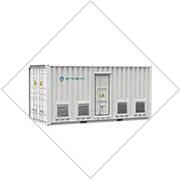

To understand the utility of megawatt-scale battery systems, we must analyze their integration into real-world operational scenarios.
In regions like Germany and the United Kingdom, peak-load pricing models charge commercial users heavily during hours of maximum demand. A manufacturing facility deploying a 1 MWh battery system can charge the batteries overnight using low-cost grid energy, and then discharge them during midday peak periods. This practice, known as peak shaving, reduces utility costs and lowers demand on the local grid infrastructure.
Solar arrays and wind installations generate power intermittently. By pairing a 1.2 MW solar array with a 1 MWh battery storage system, a commercial facility can capture excess solar energy during peak production times and release it during cloud cover or after sunset. This configuration minimizes grid feedback fluctuations, facilitating connection to local distribution networks.
Mining operations, remote agricultural projects, and isolated island resorts rely on expensive diesel generators. By integrating a 1 MWh containerized battery with a solar PV system, these locations can operate on clean, silent power. This setup reduces generator runtime, saving fuel, reducing emissions, and extending engine lifetimes.
Installing high-capacity lithium energy storage systems requires meeting strict regulatory standards, coordinating specialized logistics, and planning for local maintenance support.
Industrial installations must meet local electric utility regulations. Sourcing from Elemro guarantees compliance with major standards, including UL 1973 (battery packs), UL 9540 (integrated systems), IEC 62619 (industrial safety), and CE / UN38.3 (export compliance).
Megawatt-scale batteries fall under Class 9 Dangerous Goods transport regulations. Elemro's export division manages customs clearance, specialized shipping line booking, and land delivery using container chassis designed for heavy payloads.
Proper performance requires precise on-site calibration. Elemro coordinates with certified local engineering partners to handle foundation preparation, grid interconnection, dynamic testing, and integration with local supervisory control systems.
Energy storage technology continues to evolve rapidly. System designers should consider future technological trends when planning current projects:
Technical and financial insights to help plan your next commercial energy storage project.
Technical briefs and articles covering commercial inverters, battery safety, and global market developments.




A complete selection of advanced thin-film modules, energy conversion inverters, and scalable ESS configurations.
 Elemro Energy