Global buyers need more than a catalogue when selecting Energy Storage Devices. They need dependable performance, transparent specifications, and support that remains available after installation. A lithium iron phosphate battery may suit a solar warehouse, while a flow battery may better serve a long-duration industrial project. The right choice depends on load patterns, climate, safety requirements, available space, and expected service life.
This guide compares leading storage technologies for commercial, residential, and utility applications. It examines usable capacity, round-trip efficiency, response time, cycle life, thermal management, maintenance, and total ownership cost. These details matter. A battery rated at 10 kWh may provide less usable energy after reserve limits and conversion losses. Cold mornings, dusty sites, and unstable grids can also change real-world results.
Reliable purchasing requires careful verification. Buyers should review test reports, warranty terms, degradation assumptions, certifications, installation procedures, and supplier references. Regional compliance requirements must be confirmed before contracts are signed. Real procurement reviews often reveal gaps between laboratory figures and daily operation. Performance varies. No single device wins every project.
The following overview focuses on practical selection rather than attractive headline numbers. It also recognizes an uncomfortable point: product data is not always presented consistently across manufacturers. Comparing like with like takes time. By combining technical evidence, supplier experience, and project-specific planning, global buyers can reduce avoidable risks and choose storage systems with greater confidence.
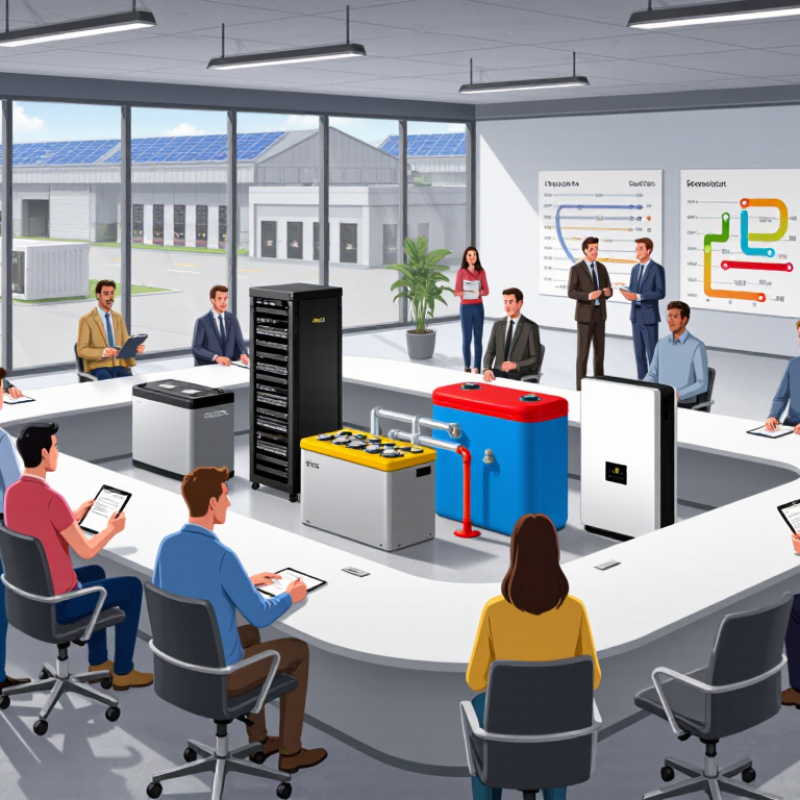
Energy storage devices hold electricity for use when generation or grid supply changes. They include batteries, thermal storage units, pumped water systems, and compressed-air equipment. A battery cabinet may charge at noon and support lights after sunset. Thermal tanks can store hot or chilled water for buildings. Pumped systems move water uphill, then release it through turbines when demand rises. These examples show storage is not one machine. It is a timing tool.
Storage matters because electricity production and consumption rarely match. Solar panels may produce most power while offices are quiet. Wind output can also shift within minutes. A well-sized device absorbs surplus energy and releases it during expensive or unstable periods. In practice, buyers should check usable capacity, response time, cycle life, safety controls, and maintenance access. Round-trip efficiency matters too. Some energy disappears during charging and discharge. That loss is easy to overlook.
Site conditions change the decision. A humid warehouse may need stronger ventilation and corrosion protection. A remote facility may value simple servicing over maximum power. Buyers should request test records, warranty terms, installation requirements, and emergency procedures. Independent technical review adds confidence, especially for large projects. Yet forecasts can still be wrong. Demand may grow faster than expected, or equipment may sit idle. Planning models can look precise while relying on weak usage data. Rechecking assumptions after installation is sensible, not a sign of failure. Storage works best when its limits remain visible.
Energy storage devices work by converting electricity into a storable form, then releasing it when demand rises. Lithium-ion systems move lithium ions between electrodes during charging and discharging. They respond quickly, making them useful for solar backup, mobile equipment, and grid balancing. Their compact cabinets need cooling, monitoring, and carefully designed protection. Performance declines with heat, deep cycling, and age. That part is often underestimated. Lead-acid batteries use reversible chemical reactions between lead plates and an electrolyte. They cost less initially, but weigh more and usually tolerate fewer deep cycles. In remote projects, simple maintenance can matter more than headline efficiency.
Flow batteries store energy in liquid electrolytes held inside external tanks. Pumps move the liquids through a cell stack, where ions cross a membrane and create electricity. Their power and energy capacity can be sized separately. This suits longer-duration applications, although pumps and tanks add space and maintenance needs. Sodium-ion batteries use sodium ions instead of lithium ions. They may reduce material pressure and perform steadily in colder conditions, but their commercial track record remains less mature. Thermal storage works differently. It stores heat in materials such as molten salts or insulated water tanks, then supplies industrial heat or drives generation later. Choosing technology is not just a chemistry decision. Site climate, load patterns, safety procedures, installation skills, and recycling access all influence reliability.
Tips: Compare usable capacity, not only advertised capacity. Request cycle-life data under realistic temperatures. Check round-trip efficiency at partial loads. Ask who will inspect the system after installation. I would also test a smaller unit first, because forecasts are rarely perfect. A spreadsheet cannot reveal every wiring fault, delayed shipment, or dusty cabinet. Leave room for learning.
Capacity tells you how much energy a device stores, measured in kilowatt-hours (kWh). Power tells you how quickly it can deliver that energy, measured in kilowatts (kW). These figures answer different questions.
For a workshop running a 2 kW compressor, a 5 kWh battery may last roughly two hours before losses. Starting surges can require much higher power. Ignore them, and the system may trip unexpectedly.
Round-trip efficiency shows how much energy remains after charging and discharging. A 90% rating means 10 kWh supplied may return about 9 kWh. Ask whether the test includes cooling, inverters, and standby consumption. Otherwise, comparisons can look cleaner than real operation.
A spreadsheet can still mislead. Local electricity prices and daily usage patterns should influence the purchase more than headline capacity.
A battery rated for 6,000 cycles may perform differently under heavy loads, high temperatures, or deep discharges. Temperature matters. In a hot warehouse, ventilation and monitoring can protect performance, but they also add cost and maintenance.
Request test conditions, usable capacity, warranty limits, and degradation data in writing. I would also leave operating headroom instead of using every available kilowatt-hour.
Maximum ratings are attractive, but cautious sizing often proves more reliable.
Energy storage devices fit global markets differently because climate, grid design, and customer needs vary.
Lithium-ion systems suit urban areas, commercial buildings, and solar-plus-storage projects. They offer fast response, compact installation, and strong cycling performance. However, heat management and fire protection require careful engineering, especially in hot regions.
Lead-acid batteries remain useful where budgets are tight and maintenance skills are available. They can support backup power for clinics, telecom sites, and small businesses. Their heavier weight and shorter cycle life limit frequent daily use.
Flow batteries may fit larger renewable projects requiring long discharge periods. They occupy more space, but their capacity can scale independently from power output.
Pumped hydro storage works well for regions with suitable geography and established grid infrastructure. It needs major construction and years of planning. Not every market can accept that timeline.
Tips: Match storage duration to the load profile, not just the purchase price. Ask about ambient temperature, replacement cycles, technician access, and recycling arrangements. A coastal site may need stronger corrosion protection. A remote site may value simple maintenance over maximum efficiency. Real procurement work often exposes uncomfortable gaps in sales forecasts. Performance can decline faster than expected when systems face dust, heat, or irregular charging. Buyers should request measured operating data, clear warranty terms, and independent safety documentation before approving a project.
When global buyers compare energy storage devices, the battery is only one part of the purchase. Check usable capacity, round-trip efficiency, cycle life, operating temperature, and warranty conditions. A 100 kWh system may deliver less after conversion losses and reserve settings. Ask for tested performance data, not only catalog ratings.
Market evidence supports careful screening. The International Energy Agency reported that global battery storage additions nearly doubled in 2023, reaching about 42 GW. Its 2024 Batteries and Secure Energy Transitions report also highlights rising demand for safer, longer-duration systems. The International Renewable Energy Agency notes that storage value depends heavily on local grid rules, renewable output, and electricity prices. Therefore, buyers should compare performance under their actual climate and load profile. A laboratory result at 25°C may not represent a dusty, hot installation site.
Tips: Request third-party test reports, fire-safety documentation, battery chemistry details, and software cybersecurity controls. Confirm whether capacity warranties cover degradation, not just equipment failure. Check spare-parts availability and technician response times before signing. Calculate lifetime cost per delivered kWh, including installation, cooling, replacement, and recycling. Cheap capacity can become expensive capacity.
A practical review should include a site visit and a small pilot. That step feels slow. It can reveal noise, heat, communication gaps, or difficult maintenance access. Buyers should also verify certifications required in the destination market and require clear emergency procedures. Some procurement assumptions will be wrong; independent verification is worth the inconvenience.
They convert electricity into stored energy and release it when demand increases. Different systems store energy chemically, mechanically, or thermally.
They respond quickly and fit solar backup, mobile equipment, and grid balancing. Their compact cabinets need cooling, monitoring, and strong protection.
They usually cost less initially and remain practical for backup power. However, they weigh more and tolerate fewer deep cycles.
Flow batteries suit longer discharge periods and larger renewable projects. Their power output and energy capacity can be sized separately.
Thermal systems store heat in molten salts, insulated water tanks, or similar materials. They later provide industrial heat or support electricity generation.
Site climate, load patterns, safety procedures, installation skills, and recycling access all influence reliability. Geography also matters for large pumped hydro projects.
Compare usable capacity, round-trip efficiency, cycle life, operating temperature, and warranty conditions. Advertised capacity may exceed actual delivered energy.
Request tested performance data, independent safety documents, battery chemistry details, and clear emergency procedures. Check cybersecurity controls and required local certifications.
A small pilot can reveal noise, heat, wiring faults, communication gaps, or difficult maintenance access. It also tests performance under real weather and load conditions.
Calculate lifetime cost per delivered kilowatt-hour, including installation, cooling, replacements, maintenance, and recycling. Also confirm spare-parts access and technician response times.
Energy Storage Devices are essential tools for balancing energy supply and demand, improving grid stability, supporting renewable power, and providing reliable backup electricity. This article explains how major technologies work, including electrochemical batteries, mechanical systems, thermal storage, and hydrogen-based solutions. Each option has different operating principles, response speeds, installation requirements, and maintenance needs, making it important to match the technology with its intended application.
For global buyers, comparing usable capacity, power output, round-trip efficiency, operating lifespan, safety features, environmental conditions, and total cost is critical. Residential, commercial, industrial, utility-scale, and remote applications may require very different storage characteristics. Before purchasing, buyers should also review product quality, certifications, warranty terms, technical support, supply reliability, installation conditions, recycling provisions, and compliance with applicable local regulations. A careful evaluation helps buyers select a dependable and cost-effective energy storage solution for both current needs and future expansion.

Elemro Energy