What Is an ESS Energy Storage System?

Time:2026-11-02 Author:Aria
0%

An Energy Storage System (ESS) stores electricity and releases it when demand, prices, or grid conditions change. It is more than a battery cabinet. A typical system combines battery cells, power-conversion equipment, controls, thermal management, and safety monitoring. Together, these components help deliver power when needed. That matters. A warehouse-scale ESS may charge during sunny, low-demand hours, then discharge through inverters as evening use rises. Homes and commercial sites use smaller systems for backup, solar self-consumption, or peak-demand management. The exact value depends on how the system is designed and operated.

The scale of deployment is growing. The International Energy Agency’s Batteries and Secure Energy Transitions report says annual battery-storage additions reached about 42 gigawatts in 2023, more than doubling from the previous year. In the IEA’s net-zero pathway, global battery-storage capacity rises to 1,500 gigawatts by 2030. IEA Executive Director Fatih Birol has described batteries as “a key technology for clean energy transitions.” For Ess Energy, the practical question is not simply how much energy a system can hold. It is how reliably it can charge, discharge, and serve a defined need over time. A quoted capacity figure alone can be misleading; operating conditions, conversion losses, and degradation matter. The field also changes quickly, so project claims deserve careful checking against operating data. That small caution is useful. An ESS is not a magic box, but a set of engineered components whose performance depends on real-world conditions.
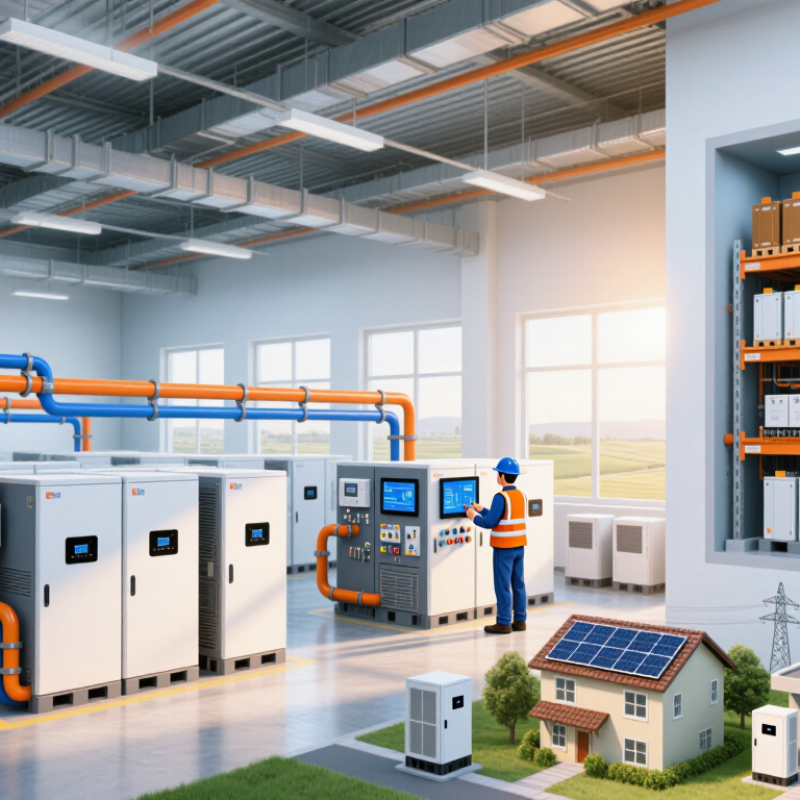
What Is an ESS Energy Storage System?

What an Energy Storage System (ESS) Is

What Is an ESS Energy Storage System?

An Energy Storage System, or ESS, stores energy for use at a later time. It may take in electricity from the grid, solar panels, or another source. When demand rises or generation falls, the system can release stored energy. A typical battery-based ESS includes battery cells, a power conversion unit, controls, and safety equipment. Think of a cabinet-sized unit in a utility room: the cells hold energy, while the controls monitor temperature and charge levels. ESS can support homes, businesses, and power networks, but its role depends on its size and design.

An ESS is not simply a large battery. Its software and power electronics help manage when energy is stored or delivered. For example, a building might charge its system during sunny hours and use that electricity after sunset. The stored energy can also provide backup power, though not every system can run every appliance or operate for the same length of time. Capacity, power output, installation conditions, and maintenance all matter. One detail is easy to overlook: a battery’s stated capacity does not guarantee that all of it is available for daily use.

Tips: Check both capacity, measured in kilowatt-hours, and output power, measured in kilowatts. Ask what loads the ESS can support, how long it can provide power, and what operating conditions it requires. Small differences matter. A qualified assessment can help match system size to actual energy use.

The Main Components of an ESS

An energy storage system (ESS) stores electricity and releases it when demand or operating conditions call for it. Its main components work together, but their arrangement varies with system size and site requirements. The battery is the energy reservoir. Inside it, cells are grouped into modules and racks, creating a structure that technicians can monitor and service.

The battery management system (BMS) tracks cell voltage, temperature, and state of charge. It can limit operation when readings move outside set ranges. The power conversion system (PCS) changes direct current from the batteries into alternating current for many building or grid connections, and converts it back during charging. An energy management system (EMS) coordinates when the ESS charges or discharges. Details matter. These controls depend on accurate sensors and carefully configured settings.

Thermal management keeps battery temperatures within the equipment’s operating range, using cooling or heating as needed. Protective devices, smoke and heat detection, and a suitable enclosure help manage faults and environmental exposure. A transformer or switchgear may also be needed to connect the system to site electrical equipment. No single layout suits every installation. For example, a compact enclosure can save space but make inspection and maintenance less convenient. Regular checks still matter, even when monitoring is automated.

How an ESS Stores and Delivers Energy

An energy storage system, or ESS, stores electricity for use later. In a battery-based system, cells hold energy as direct current. A battery management system monitors voltage, temperature, and charge levels. It helps keep the cells within safe operating limits. Small sensors matter.

When solar panels produce more electricity than a building needs, the ESS can send some of that surplus to its battery. Electricity from the grid may also charge it, depending on system settings. An inverter converts stored direct current into alternating current for common appliances. When demand rises, controls signal the inverter to deliver power to selected circuits or the wider building. A refrigerator, hallway lights, and a few office computers may keep running during an outage, if the system is configured to support them.

The process is not loss-free. Some energy becomes heat during charging and conversion, so the usable output is lower than the amount originally stored. Battery temperature, age, and power limits can also affect performance. A sunny afternoon does not guarantee a full battery by evening; clouds or heavy daytime use can change the result. I would be cautious about treating an ESS as a simple “backup box.” Its real usefulness depends on thoughtful sizing, installation, and regular checks of operating data. Even a well-designed system can disappoint if its loads are poorly matched to its capacity.

Common Types of Energy Storage Systems

Energy storage systems hold electricity or heat for use later, but they store it in different ways. Battery systems are common because they respond quickly and can fit inside buildings or utility sites. Lithium-ion batteries often suit frequent cycling, while lead-acid batteries may work for simpler, shorter-duration needs. Their performance depends on temperature, operating limits, and maintenance—not just the label on the battery.

Pumped hydro stores energy by moving water uphill, then releasing it through turbines when demand rises. It can provide long-duration storage, but it needs suitable terrain and substantial construction. Thermal systems store heat in materials such as water, molten salt, or insulated solids. A district heating site might use a large hot-water tank to shift energy between sunny afternoons and colder evenings. Flywheels store energy as rotation and can respond rapidly, though they usually provide power for shorter periods. Compressed-air systems use pressurized air, often in underground spaces, and their efficiency depends on system design. The trade-off is real. Categories can overlap, and published comparisons may use different test conditions. Choosing a system means matching duration, response time, site constraints, and expected cycling to the actual job.

What Is an ESS Energy Storage System? - Common Types of Energy Storage Systems

Storage System How It Stores Energy Typical Discharge Duration Typical Round-Trip Efficiency Common Applications Key Considerations
Lithium-ion battery Stores energy through reversible electrochemical reactions in battery cells. About 1–8 hours About 85–95% Grid balancing, renewable-energy shifting, backup power, and electric vehicles High efficiency and fast response; performance and service life depend on temperature, operating conditions, and battery management.
Lead-acid battery Stores energy through reversible chemical reactions involving lead-based electrodes and an electrolyte. About 1–8 hours About 70–85% Backup power, uninterruptible power supplies, and smaller off-grid systems Established and recyclable technology; generally heavier and less suited to frequent deep cycling than many newer battery types.
Flow battery Stores energy in liquid electrolytes held in external tanks and circulated through an electrochemical cell. About 4–12 hours or longer About 60–85% Stationary, long-duration storage and renewable-energy integration Energy capacity can be increased by using larger electrolyte tanks; systems require pumps and more space than many battery installations.
Sodium-sulfur battery Stores energy through electrochemical reactions between molten sodium and sulfur. About 6–8 hours About 75–90% Stationary grid storage and load shifting Operates at high temperatures, so thermal management and safety controls are important.
Pumped-storage hydropower Uses electricity to pump water to an elevated reservoir, then generates electricity as the water flows downhill. About 4–24 hours or longer About 70–85% Large-scale grid storage, peak demand support, and reserve capacity Can provide substantial storage capacity and long service life, but typically requires suitable geography, water infrastructure, and significant construction.
Compressed-air energy storage Uses electricity to compress air for storage in an underground cavern or other suitable vessel; released air drives a generator. Several hours to more than a day About 40–70% for many conventional designs Large-scale, long-duration grid storage Site geology and system design strongly affect feasibility and efficiency; some designs use heat recovery to improve performance.
Flywheel energy storage Stores energy as the rotational kinetic energy of a spinning rotor. Seconds to around 30 minutes About 85–95% Frequency regulation, short-duration backup, and power-quality support Responds rapidly and supports frequent cycling, but is generally better suited to short bursts than long-duration energy supply.
Thermal energy storage Stores energy as heat or cold, for example in water, ice, molten salts, or solid materials. Several hours to days, depending on the system Varies widely; depends on the storage medium and whether heat is used directly or converted back to electricity Building heating and cooling, industrial heat, and some power-generation systems Can be effective when stored heat or cooling is used directly; electricity-to-electricity performance depends on conversion equipment.

Note: ESS means energy storage system. Figures are typical indicative ranges, not guarantees; actual duration and efficiency depend on system design, operating conditions, and measurement method.

Where ESS Technology Is Used

What Is an ESS Energy Storage System?
Where ESS Technology Is Used

An energy storage system (ESS) stores electricity and releases it when demand, prices, or grid conditions change. Batteries are now common, but storage can also use pumped water, heat, or compressed air. The right technology depends on how quickly energy is needed and how long it must last. That distinction matters.

On the power grid, battery ESS units can respond within seconds, helping balance supply and demand or support frequency regulation. They can also store midday solar power for evening use, when panels produce less. The International Energy Agency reported that battery storage capacity additions in the power sector reached about 42 gigawatts in 2023. This growth shows how quickly grid applications are expanding, though capacity figures alone do not reveal how often systems are used or how well they perform.

ESS technology also serves factories, offices, and homes. A facility may charge batteries overnight, then draw on them during expensive afternoon peaks. Remote sites and community microgrids can use storage to keep essential equipment running when local generation dips. A battery cabinet beside an electrical room may look simple; its controls, safety systems, and maintenance needs are not. The U.S. Department of Energy identifies grid services such as peak shaving, voltage support, and backup power as storage applications. Actual value varies with local tariffs, operating patterns, and system design. That is easy to overlook.

Where ESS Technology Is Used

Energy storage systems support applications ranging from fast grid balancing to longer-duration energy shifting and backup power.

Typical illustrative design ranges, not universal requirements. Actual discharge duration depends on system design and operating needs.

FAQS

What are the main components of an energy storage system?

The battery stores energy in cells, modules, and racks. A battery management system monitors voltage, temperature, and charge levels. The power conversion system changes electricity between direct and alternating current.

What does an energy management system do?

It coordinates when the system charges or discharges. Accurate sensors and well-configured settings matter. Small errors can affect operation.

How does an ESS help balance electricity supply?

Grid-connected batteries can respond within seconds to changing demand. They may also store midday solar power for evening use. Timing matters.

What storage technologies are used besides batteries?

Options include pumped hydro, thermal storage, flywheels, and compressed-air systems. A hot-water tank, for example, can hold heat for colder evenings. Each has trade-offs.

How do different storage systems vary?

Flywheels respond quickly but usually provide power for shorter periods. Pumped hydro can store energy longer, but needs suitable terrain and major construction. There is no universal winner.

Where might a business use an ESS?

A factory or office may charge batteries overnight, then use stored electricity during expensive afternoon peaks. Actual savings depend on local prices and operating patterns.

Can an ESS provide backup power?

It can help keep essential equipment running at remote sites or in community microgrids when local generation dips. The available backup depends on system design and stored energy.

What should be considered when choosing an ESS?

Match its response time and storage duration to the job. Check site space, expected cycling, temperature needs, and maintenance access. A compact enclosure saves room, but inspections may become awkward. That deserves a second look.

Why does thermal management matter?

Cooling or heating helps keep batteries within their operating range. Protective devices, smoke and heat detection, and a suitable enclosure also help manage faults and environmental exposure. Automated monitoring is not enough.

Conclusion

An energy storage system (ESS) captures energy when it is available and stores it for use at a later time. An Ess Energy setup typically includes storage units, a power conversion system, control software, and safety equipment. Together, these components help manage the flow of electricity, monitor operating conditions, and connect stored energy with a home, facility, or power network.

The way an ESS stores and delivers energy depends on its design: it may hold electricity in batteries, store heat, or use another form of energy storage. When demand rises or supply changes, the system releases stored energy in a controlled manner. Common options include battery, thermal, pumped-storage, and mechanical systems. ESS technology can support homes, commercial buildings, industrial sites, renewable energy installations, and grid operations by helping balance supply and demand and making energy use more flexible.


Aria

Aria

Aria is a dedicated marketing professional with a deep passion for innovative strategies and a keen understanding of our company's product offerings. With a wealth of experience in the industry, Aria excels at crafting engaging content that highlights the unique features and benefits of our......