Choosing a Battery Energy Storage System in 2026 starts with a practical question: what must the system do on an ordinary day? A solar farm may need evening discharge, while a factory may need backup power and peak-demand control. Those jobs require different power ratings, storage durations, controls, and operating strategies. A large capacity figure alone proves very little.
The International Energy Agency’s 2024 report, Batteries and Secure Energy Transitions, says global energy storage capacity must grow sixfold by 2030 in a pathway aligned with climate goals. Batteries are expected to provide most of that growth. IEA Executive Director Fatih Birol described batteries as “a key technology for the energy transition.” The scale is significant. So is the responsibility to choose equipment that performs reliably beyond a sales presentation.
This guide will help compare system size, usable energy, round-trip efficiency, degradation, safety features, warranties, and service support. Ask vendors for assumptions behind their lifetime-cost estimates, including temperature, cycling, and replacement parts. A neat spreadsheet can still hide a weak assumption. I have seen buyers focus on initial price and overlook downtime, software limits, or maintenance access. That is an easy mistake.
Start with the site’s load profile and operating goals, then test proposals against real operating conditions. Consider how the battery will behave on a hot afternoon, during a grid outage, or after years of cycling. No system is perfect. The right choice is the one whose documented performance, safety provisions, and support match your project’s needs—not simply the one with the largest nameplate capacity.
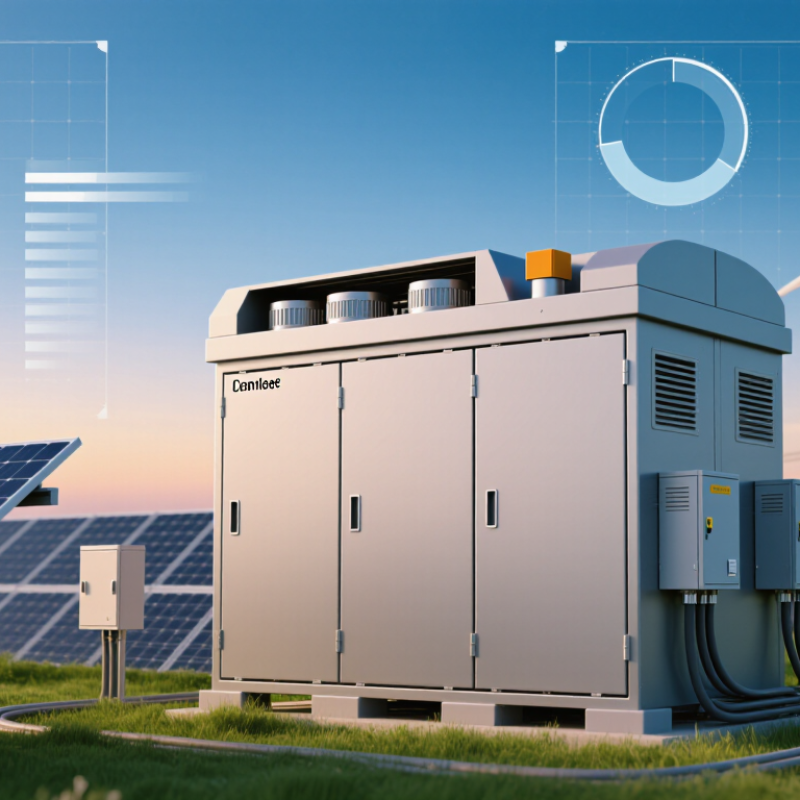
Choosing a battery energy storage system in 2026 starts with understanding its structure. A complete system is more than a cabinet filled with cells. Battery cells form modules, and modules connect into racks that deliver usable energy. The battery management system monitors voltage, temperature, state of charge, and cell balance. It is the system’s nervous system.
The power conversion system changes direct current into grid-compatible alternating current. It also controls charging, discharging, and response speed. An energy management system decides when the battery should store or release electricity. Thermal management keeps temperatures within a safe operating range. Fire detection, ventilation, barriers, and emergency shutdown devices add another safety layer. Small details matter here. A poorly placed sensor can distort operating decisions.
When comparing systems, check usable capacity rather than only nameplate capacity. Review round-trip efficiency, expected degradation, operating temperature, and response time. Ask how often software updates occur and how faults are reported. Independent testing and clear compliance documentation strengthen reliability. A long warranty helps, but its performance conditions deserve close reading.
Field evaluations often reveal gaps between a spreadsheet and daily operation. Some proposals overstate available energy. That distinction is easy to miss. Maintenance access, replacement procedures, and network security also affect lifetime value. No model is perfect. Weather, load changes, and installation mistakes can alter results. A careful buyer should request measured performance data, realistic operating assumptions, and service plans before selecting the system.
Battery cells form modules, and modules connect into racks. The battery management system tracks voltage, temperature, charge level, and cell balance. A power conversion system manages charging, discharging, and grid-compatible electricity. Thermal controls, fire detection, ventilation, barriers, and shutdown devices add protection.
Review one year of electricity bills and hourly meter data, if available. Mark evening peaks, solar surplus, and essential outage loads. Include refrigerators, lights, medical equipment, and their expected running times. Add reserve capacity for conversion losses.
Nameplate capacity describes the battery’s stated total size. Usable capacity shows the energy available during normal operation. The difference may reflect reserves, operating limits, and conversion losses. A larger label does not always mean more practical energy.
Backup duration depends on usable kilowatt-hours and the connected load. A refrigerator and lights consume less than cooling equipment and pumps. Divide usable energy by the actual load for a rough estimate. Real conditions change.
Check round-trip efficiency, response time, degradation, and operating temperature limits. Review continuous power separately from energy capacity. A system may store enough energy but struggle with high short-term demand. Hot evenings can expose that weakness.
The quote should separate equipment, installation, commissioning, site work, and grid connection. Ask for costs per kilowatt and per kilowatt-hour. Request assumptions for augmentation and future expansion. A low headline price can hide important exclusions.
Check the warranty period, remaining-capacity guarantee, cycle limits, and energy-throughput conditions. Confirm exclusions for temperature, usage patterns, and installation problems. Ask who pays for labor, shipping, and downtime. Ten years sounds strong, but the details may disappoint.
Confirm spare-parts availability, software updates, remote monitoring, and local commissioning support. Ask how faults are reported and how quickly urgent issues receive attention. Check maintenance access and replacement procedures before installation. Support is easy to underestimate.
Field conditions can differ from spreadsheet assumptions. Weather, changing loads, sensor placement, and installation mistakes affect results. Request measured data, realistic operating assumptions, and service plans. No model is perfect.
Choosing a Battery Energy Storage System in 2026 requires a clear understanding of how the system works and how its main components interact, including batteries, inverters, controls, and monitoring equipment. Start by defining your energy needs, such as daily consumption, peak demand, backup duration, operating environment, and future expansion plans. Then compare battery technologies based on safety, lifespan, efficiency, maintenance needs, capacity, and power ratings to ensure the system can handle both normal and high-demand conditions.
Safety and installation requirements should be assessed carefully, including ventilation, fire protection, electrical integration, site conditions, and applicable regulations. Total cost should include equipment, installation, maintenance, energy management, and potential replacement expenses. Finally, review warranty terms, performance guarantees, service availability, technical support, and supplier reliability. A well-planned Battery Energy Storage solution should balance performance, safety, long-term value, and operational flexibility rather than focusing only on the lowest initial price.

 Elemro Energy