7 Best Solar Panels and Battery Costs in 2026

Time:2026-09-30 Author:Amelia
0%

Choosing solar equipment in 2026 requires more than comparing bright product photos and low headline prices. This guide examines seven leading solar panels and battery systems, focusing on performance, warranties, storage capacity, installation quality, and long-term value. The real Solar Panels And Battery Cost depends on roof design, local labor rates, household electricity use, and available incentives. A compact home may need fewer panels, while an electric vehicle can quickly increase battery demand.

Expect practical details here. We consider panel efficiency, temperature performance, battery chemistry, usable capacity, round-trip efficiency, and expected degradation. We also examine how each system performs during cloudy afternoons, summer heat, and short power outages. Manufacturer specifications matter. So do independent installer estimates and warranty terms.

Prices change often.

Our comparisons use current market research, published technical documents, and typical installation scenarios. However, no national average can represent every household accurately. A difficult roof may add scaffolding costs. Local permits can extend project timelines. Some batteries look affordable but include limited usable storage or require extra hardware. That distinction deserves attention.

This guide is designed for careful decisions, not quick sales claims. It explains where premium equipment may justify its price and where a simpler system could work better. Readers should request multiple written quotes, confirm installer certifications, and calculate savings using their own utility rates. Even experienced homeowners can misjudge future electricity use. That uncertainty is part of the investment.
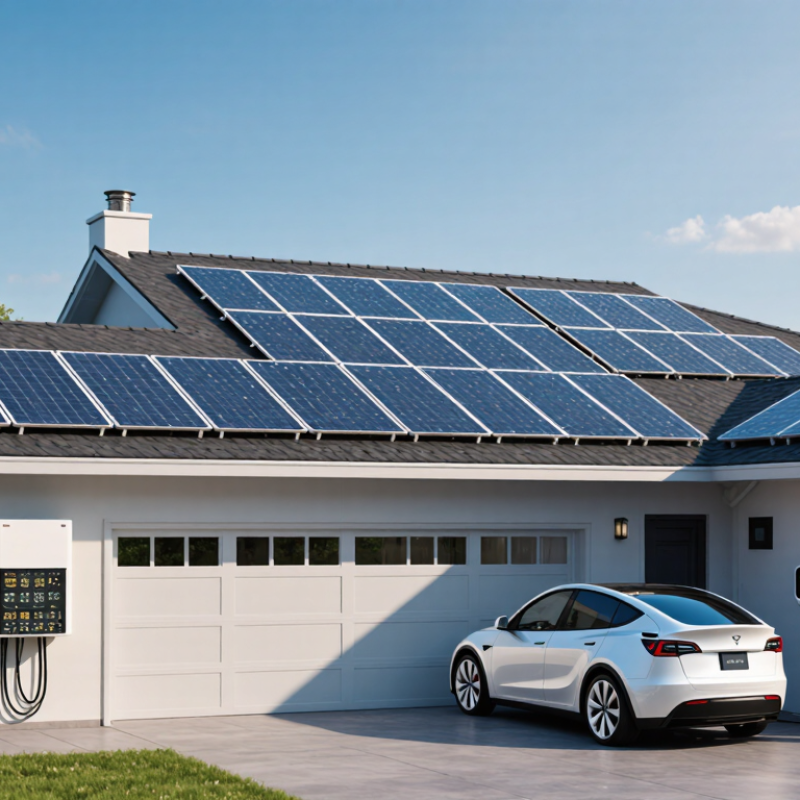
7 Best Solar Panels and Battery Costs in 2026

How Solar Panels and Home Batteries Work

Solar panels and home batteries work as a coordinated energy system. Panels convert sunlight into direct current electricity. An inverter changes it into household-ready alternating current. Your appliances use that power immediately. Excess electricity charges the battery or flows to the grid.

The battery stores energy through electrochemical reactions. Later, it releases electricity after sunset, during outages, or when grid prices rise. A battery management system controls temperature, charging speed, and safety limits. The U.S. Department of Energy reports that lithium-ion battery pack costs have fallen sharply since 2010. However, installed home-system prices still include wiring, permits, labor, and software. The simple version is useful, but incomplete.

Industry data shows the scale of change.
The IEA Photovoltaic Power Systems Programme reported global solar capacity above 1.6 terawatts by the end of 2023. NREL’s residential solar and storage benchmarks also show that equipment is only part of the final price. Roof condition, shading, electricity rates, and backup needs can change the calculation. Real households are messier.

Tips: Check your hourly electricity use before choosing system size. Ask for battery usable capacity, not only headline capacity. Compare round-trip efficiency and warranty terms. Keep critical circuits separate during outages. A larger battery is not always better; unused capacity still costs money. Check local rules and request itemized quotes from qualified installers.

Key Factors for Comparing Solar Panels and Battery Systems

Solar panels and batteries should be compared as one household energy system. Efficiency alone does not reveal value. The National Renewable Energy Laboratory reported a residential solar benchmark near $2.68 per watt in 2023, including installation and soft costs. Local labor, roof access, permitting, and electrical upgrades can change that figure substantially. A low panel price may hide expensive installation work.

Look beyond rated output. Check temperature coefficient, degradation rate, warranty terms, and performance in partial shade. A panel producing 400 watts under laboratory conditions may deliver less on a hot, dusty roof. The International Energy Agency’s photovoltaic research program shows that module degradation varies by technology and climate. Real operating history matters.

Battery comparisons require usable capacity, not advertised capacity. Also check round-trip efficiency, cycle life, backup power, and operating temperature. The U.S. Department of Energy identifies these factors as central to storage performance and resilience.

Battery costs remain difficult to forecast for 2026. BloombergNEF reported an average lithium-ion pack price of $115 per kilowatt-hour in 2024, but installed home systems cost much more. Inverters, controls, labor, and safety equipment add considerable expense. A five-kilowatt-hour battery may not cover an evening’s cooking, heating, and lighting. Solar production also changes seasonally. I would compare annual bill savings, expected degradation, and replacement timing, not just the purchase price. A neat spreadsheet can still mislead. Use recent local quotes and measured household consumption.

Seven Solar Panel and Battery Options to Consider in 2026

Choosing solar equipment in 2026 means comparing performance, installation limits, and storage value. Seven options deserve attention.

Solar panels

Option one is a standard monocrystalline panel, offering dependable output for ordinary rooftops.

Option two is a high-efficiency TOPCon panel, useful where roof space is limited.

Option three is a heterojunction panel, which can perform better during hot afternoons.

Option four is a bifacial panel, especially suitable for bright roofs or ground-mounted systems.

The International Technology Roadmap for Photovoltaics reports continuing efficiency gains across these designs, although laboratory results do not always match household conditions.

Battery storage

Option five is a lithium iron phosphate battery, known for strong cycle life and thermal stability.

Option six is a sodium-ion battery, an emerging choice with potentially lower material costs.

Option seven is a modular battery system, allowing households to expand storage gradually.

The U.S. National Renewable Energy Laboratory estimates residential battery costs through detailed bottom-up modeling, but local labor and permitting can change the final bill considerably.

Lazard’s 2024 Levelized Cost of Energy report shows solar remains highly competitive, yet its figures exclude every household’s site-specific complications. A 6-kilowatt system may produce excellent annual energy, but winter shading can still disappoint.

Battery prices also look attractive on paper. Replacement planning remains easy to overlook.

Ask installers for annual production estimates, usable battery capacity, degradation assumptions, and outage performance. I would also compare three written quotes, because the cheapest proposal may quietly omit electrical upgrades.

Solar Panel and Battery Costs in 2026

Solar Panel and Battery Costs in 2026

In 2026, residential solar panels typically cost about $2.40 to $3.40 per watt installed. A 6-kilowatt system may therefore reach $14,400 to $20,400 before local incentives. Panel prices vary with efficiency, roof design, labor rates, and permitting requirements. Higher-efficiency panels can reduce roof space, but they are not always the cheapest choice.

Battery storage adds roughly $700 to $1,200 per usable kilowatt-hour, including installation. A 10-kilowatt-hour battery may cost $7,000 to $12,000. Larger systems can exceed $16,000 when extra wiring, electrical upgrades, or backup circuits are needed. Check usable capacity, not only the advertised capacity. Round-trip efficiency and warranty terms also affect long-term value.

The best seven solar options should be compared by annual output, degradation rate, temperature performance, and installation quality. A lower-priced panel may produce less energy on a shaded roof. That difference matters over twenty years. My earlier cost estimates often ignored roof repairs and permit delays. That was a mistake. Ask each installer for an itemized quote, expected yearly production, battery cycle limits, and projected savings under conservative electricity prices. Costs remain regional, and advertised figures may exclude taxes, structural work, or service upgrades.

How to Choose a System for Your Home and Energy Needs

Choosing among the seven best solar panel and battery systems starts with your home’s energy habits, not the highest panel wattage. Review twelve months of electricity bills and note evening usage, winter demand, and outage priorities. A 6 kW system may suit a small home, while larger households may need 8–12 kW. Roof direction, shade, snow, and available space can change production sharply. NREL’s 2024 residential benchmark placed solar-only costs near $2.68 per watt in the United States. Local labor, permits, and electrical upgrades can raise that figure.

Battery sizing requires more care. Select usable capacity, not the headline capacity. A 10 kWh battery may deliver less after reserve settings and conversion losses. For essential loads, calculate refrigerator, lights, internet, and medical equipment runtime separately. BloombergNEF reported global battery pack prices at about $115 per kWh in 2024, but household installation costs remain much higher. The International Energy Agency also reported strong battery price declines, although home quotes do not always follow quickly. That gap deserves scrutiny.

Tips: Request three itemized quotes. Compare cost per usable kWh. Ask about degradation, backup power, round-trip efficiency, and replacement terms. Test whether the inverter supports your planned battery size. Avoid paying for full-home backup if you only need critical circuits. A spreadsheet helps, but it can still mislead. Future electricity rates, changing household habits, and local export rules may alter the payback. Leave room for uncertainty.

7 Best Solar Panel and Battery System Costs in 2026

The chart compares typical U.S. residential installed-cost estimates before tax credits and other incentives. Larger systems generally provide more energy and backup capacity, but the best choice depends on household electricity use, roof space, and outage-protection needs. Actual prices vary by location, permitting, installation complexity, and battery size.

FAQS

Should solar panels and batteries be compared separately?

Compare them as one household energy system. A cheaper panel may require costly wiring, roof work, or electrical upgrades. Efficiency alone is not enough.

What should I check besides a panel’s rated wattage?

Check temperature performance, degradation, warranty terms, and partial-shade output. A 400-watt panel may produce less on a hot, dusty roof. Laboratory figures are not your roof.

How can I estimate the right solar system size?

Review twelve months of electricity bills. Note winter demand, evening use, roof direction, shade, snow, and available space. A small home might need 6 kilowatts, while larger homes may need 8–12.

What battery capacity does a home usually need?

Use usable capacity, not the advertised figure. A 10-kilowatt-hour battery may deliver less after reserve settings and conversion losses. Calculate separate runtime for a refrigerator, lights, internet, and essential equipment.

Can a small battery cover an entire evening?

Not always. Cooking, heating, lighting, and refrigeration can consume several kilowatt-hours quickly. My estimate could still miss unusual weather or changing family habits.

Which battery specifications matter most?

Compare round-trip efficiency, cycle life, operating temperature, backup output, and degradation. Confirm that the inverter supports the planned battery size. Check replacement terms carefully.

How should I compare system prices?

Request three itemized local quotes. Compare total cost and cost per usable kilowatt-hour. Include labor, permits, controls, safety equipment, wiring, and possible roof repairs.

Is full-home backup always worth paying for?

No. Critical-circuit backup may cover the refrigerator, lights, internet, and essential equipment. Full-home backup costs more and may offer little extra value. Think beyond the neat spreadsheet.

How reliable are payback estimates?

They are useful but imperfect. Future electricity rates, export rules, seasonal production, and household behavior can change the result. Leave room for uncertainty.

Conclusion

Choosing a solar energy system in 2026 requires understanding how solar panels generate electricity and how home batteries store unused power for later use. This article explains the main factors to compare, including panel efficiency, durability, battery capacity, usable storage, warranty terms, installation requirements, and compatibility with your household’s energy habits. It also presents seven types of solar panel and battery combinations to consider, helping readers compare practical options without focusing on specific brands.

The guide also examines Solar Panels And Battery Cost in 2026, including equipment, installation, maintenance, and possible replacement expenses. Because every home has different energy consumption, roof conditions, sunlight exposure, backup needs, and budget limits, the best system will vary from one household to another. By reviewing performance expectations, long-term value, storage goals, and future energy needs, homeowners can make a more informed decision and choose a balanced system that supports reliable electricity use and greater energy independence.


Amelia

Amelia

Amelia is a seasoned marketing professional with a wealth of expertise in our company’s core offerings. With an unwavering passion for driving growth and innovation, she plays a pivotal role in shaping our marketing strategies and enhancing brand visibility. A key aspect of her responsibilities......