As the demand for sustainable energy solutions continues to grow, home solar battery systems are becoming increasingly vital. Experts in the field, like John Whitfield, a renowned solar energy consultant, highlight this importance: "Home Solar Batteries not only enhance energy efficiency but also empower homeowners with energy independence." This trend is particularly relevant as we look toward 2026.
The evolution of the home solar battery industry is marked by innovation and adaptability. Recent advancements promise to enhance performance and reduce costs. Homeowners are beginning to recognize the value of intelligent battery management systems that optimize energy usage. Many are now investing in solar batteries to store excess energy generated during the day for nighttime use.
However, it is crucial to remain informed and reflective about these technologies. Not all solar battery systems are created equal, and potential buyers must scrutinize features and warranties. While some brands showcase impressive capabilities, not every option will suit individual needs. This landscape remains dynamic, and keeping up with the latest trends is essential for making wise investments in home solar battery systems.
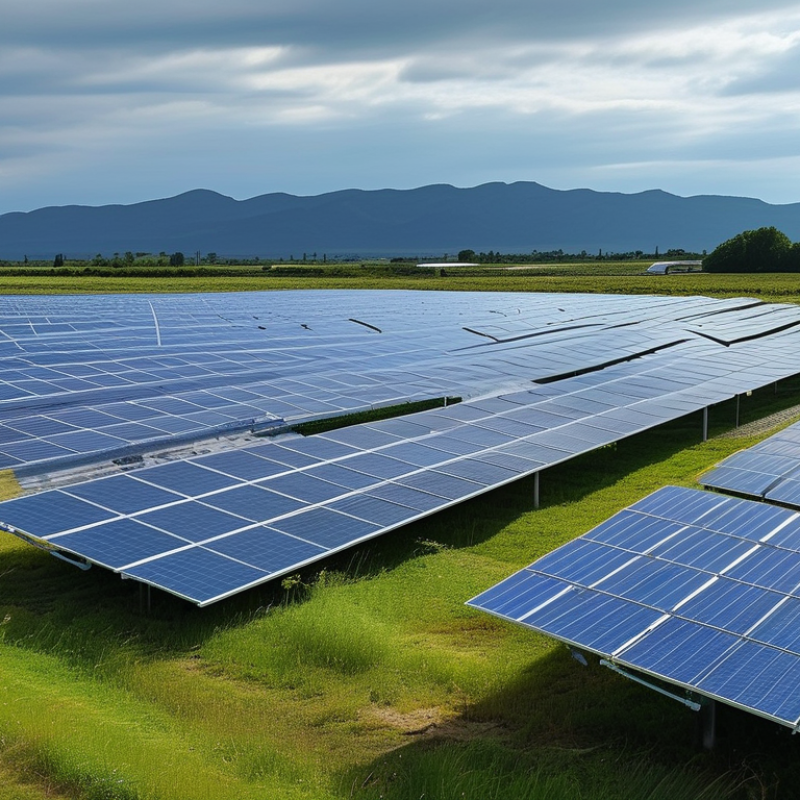
As we look ahead to 2026, home solar battery systems are set to undergo significant transformations. A recent report by the International Renewable Energy Agency (IRENA) projects that the global energy storage market will reach 100 GW by 2026. This surge reflects the demand for efficient energy solutions. Homeowners are increasingly seeking to integrate storage systems that enhance energy independence.
Emerging technologies like solid-state batteries are gaining traction. They promise higher energy density and increased safety compared to traditional lithium-ion alternatives. According to a market analysis by MarketsandMarkets, solid-state battery adoption could grow by over 50% annually. This shift could address concerns about battery lifespan and efficiency, as many homeowners experience performance issues with conventional batteries.
Furthermore, advancements in artificial intelligence (AI) are reshaping how battery systems manage energy. Smart batteries can learn usage patterns, optimizing energy consumption and supplying power when it’s most needed. However, challenges remain, such as integration with existing home systems and cost implications for homeowners. While the future seems promising, these factors indicate that the transition to advanced solar battery systems must be approached with caution.
| Trend | Description | Expected Impact | Technological Features |
|---|---|---|---|
| Integrated Home Energy Management | Systems that combine solar generation, battery storage, and energy consumption management. | Enhanced efficiency and cost savings on energy bills. | Smart algorithms, real-time monitoring. |
| Increased Battery Capacity | Development of batteries with higher energy storage capabilities to meet growing electricity demands. | Greater energy independence for homeowners. | Advanced lithium-ion and solid-state technologies. |
| Sustainability Focus | Use of recyclable and eco-friendly materials in battery production. | Reduced environmental impact and improved consumer appeal. | Biodegradable components, lesser carbon footprint. |
| Wireless Technology Integration | Incorporation of wireless systems for easier installation and maintenance. | Simplified user experience and lower installation costs. | RFID technology, sensor networks. |
| Virtual Power Plant Technology | Home batteries participating in grid stabilization and demand response. | Enhanced grid reliability and potential earnings for homeowners. | Blockchain for energy transactions, algorithms for load balancing. |
: Home solar battery systems will see significant advancements, with a focus on efficiency and energy independence.
Solid-state batteries offer higher energy density and enhanced safety over traditional lithium-ion batteries.
Adoption could increase by over 50% annually, addressing longevity and efficiency concerns.
AI allows smart batteries to learn usage patterns, optimizing energy consumption as needed.
Issues include integration with existing setups and the cost of implementation for homeowners.
Homeowners seek high capacity, reliability during outages, and easy installation.
Safety concerns and battery lifespan are crucial, with homeowners preferring robust warranties.
Homeowners weigh initial costs against potential long-term savings on energy bills.
A compact design that fits well with home interiors is highly valued by consumers.
Many homeowners reflect on the balance between upfront costs and energy independence.
The article "2026 Top Home Solar Battery Trends You Should Know" highlights key advancements and trends in home solar battery systems expected to emerge in 2026. It explores emerging technologies that enhance efficiency and storage capacity, making home solar batteries more appealing to consumers. Key factors driving the adoption of these solutions include increasing energy independence, rising electricity costs, and a growing awareness of environmental sustainability.
Additionally, the impact of energy policies on solar battery trends cannot be overlooked, as favorable regulations and incentives are encouraging homeowners to invest in these systems. Market growth projections indicate a robust increase in demand for home solar batteries through 2026, shaped significantly by consumer preferences for reliability, affordability, and advanced features. As homeowners become more educated about energy solutions, their expectations will ultimately drive innovation and market dynamics in the home solar battery sector.

 Elemro Energy